
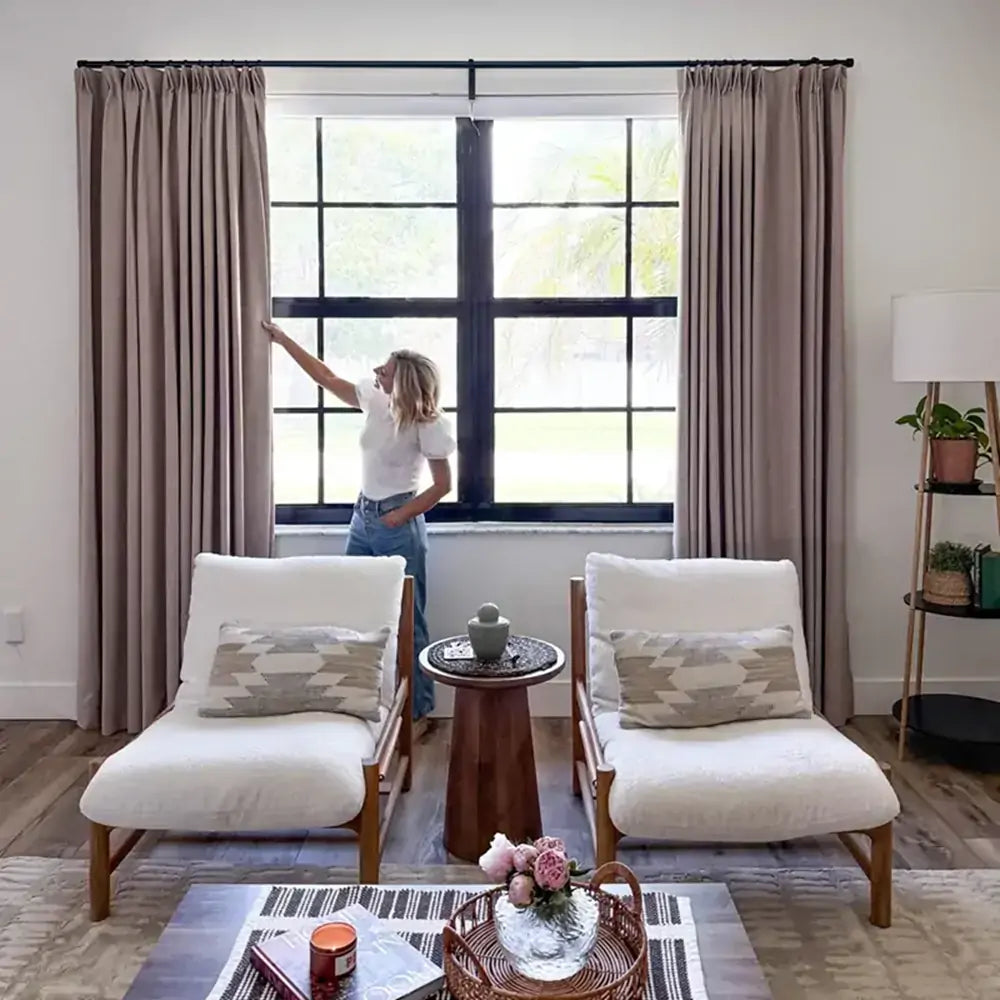



When you want to make simple curtain panels, adjust the length of existing curtains, or add a basic decorative touch to your home, sewing curtains yourself can be a convenient and cost-effective option. With the right fabric, accurate measurements, and the proper tools, DIY curtains can work well for small updates, temporary living spaces, or simple home decor projects.
However, if you are looking for a more refined appearance, a more precise fit, structured pleats, or a more elevated drape, professional custom curtains are usually the better choice. Compared with most DIY curtain projects, custom curtains offer more advantages in fabric selection, header styles, size accuracy, and the final hanging effect.
In this guide, we’ll show you how to sew a basic curtain, explain when DIY curtains make sense, and help you decide when professional custom curtains may be the better option.
Can You Sew Curtains Yourself?
Yes, you can sew curtains yourself, especially if you are making a simple design. DIY curtains are usually best for:
- Basic curtain panels
- Small window curtains
- Cafe curtains
- Simple rod pocket curtains
- Lightweight sheer curtains
- Short decorative curtains
- Adjusting curtain length
- Hemming ready-made curtains
If you only need a quick update or a simple window covering, sewing curtains at home can be practical. But if you want custom curtains for a living room, bedroom, dining room, or large window, professional tailoring will usually create a better result.
What You Need to Sew a Basic Curtain
To sew a simple curtain panel, you’ll need:
- Curtain fabric
- Measuring tape
- Fabric scissors
- Sewing machine
- Thread
- Pins or clips
- Iron
- Curtain tape or header tape, optional
- Curtain rings or hooks, optional
For beginner DIY curtains, lightweight fabrics are easier to work with. Sheer curtains, cotton curtains, and simple linen-look curtains are usually easier to sew than thick blackout curtains, velvet curtains, or lined drapes.
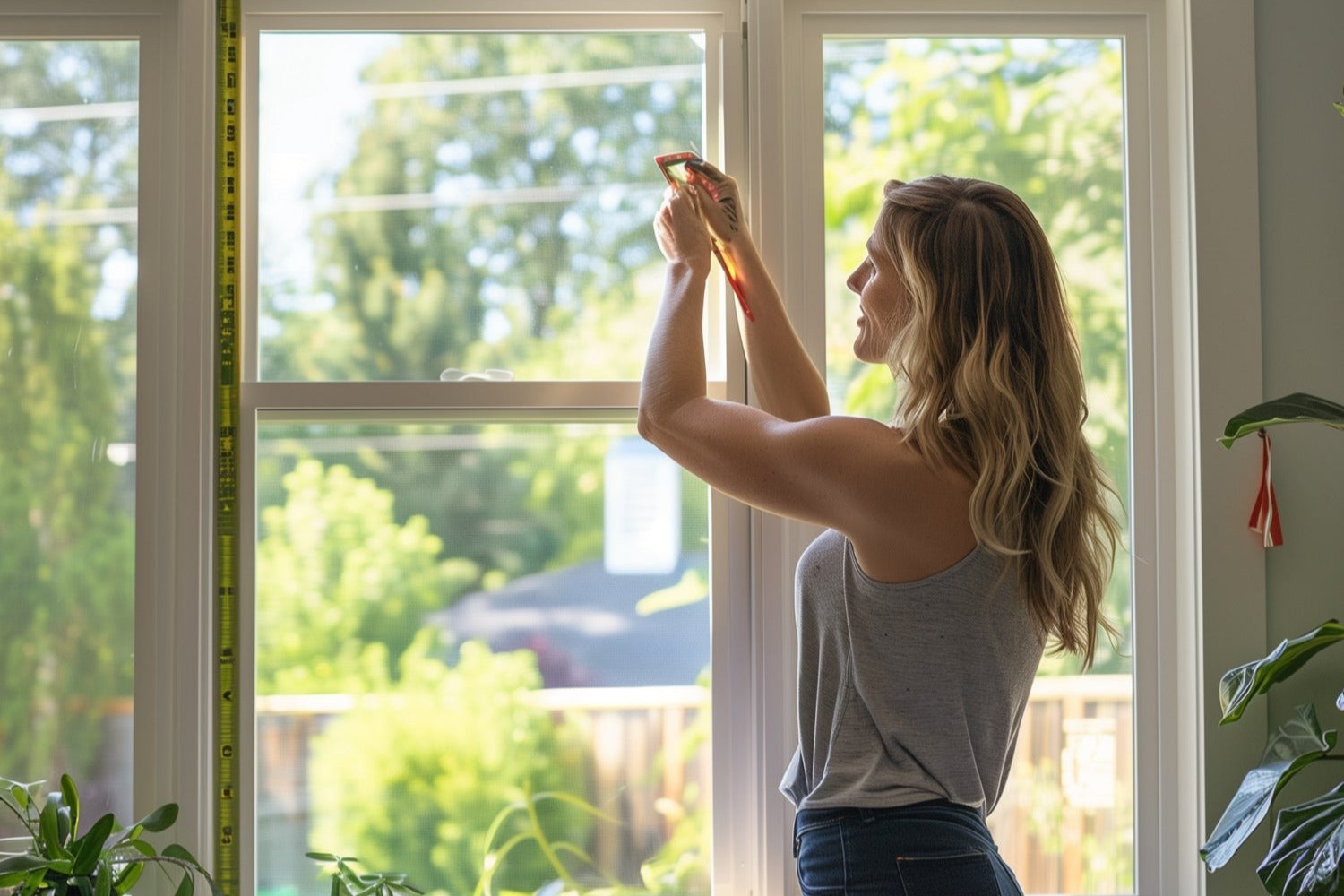
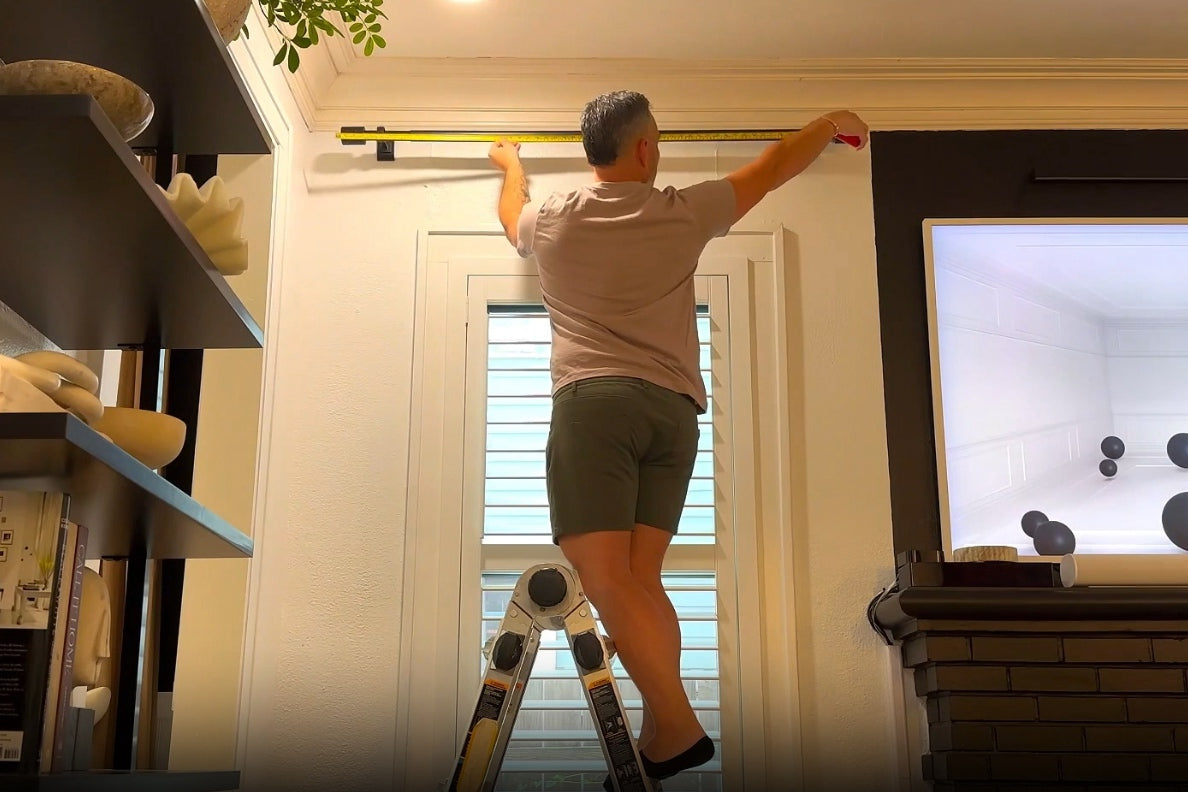
Step 1: Measure Your Window
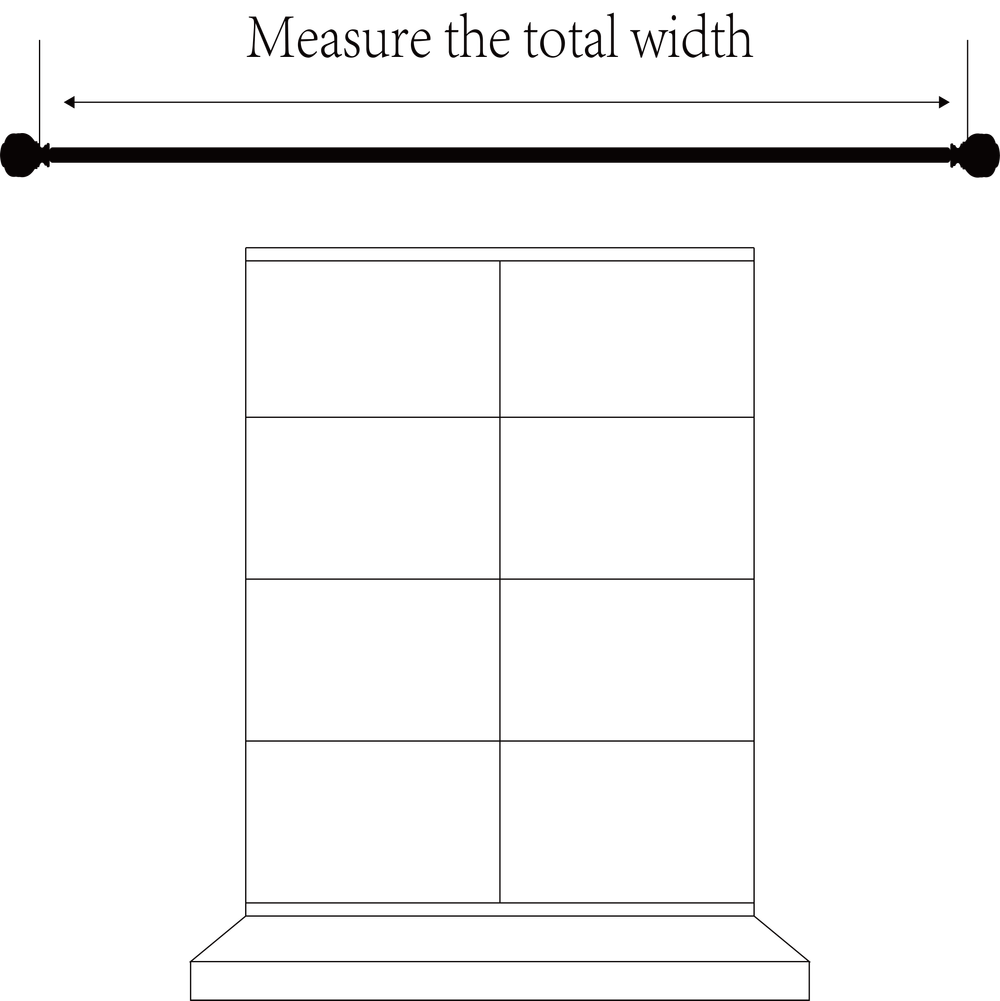
Accurate measuring is the most important step. Measure:
- Window width
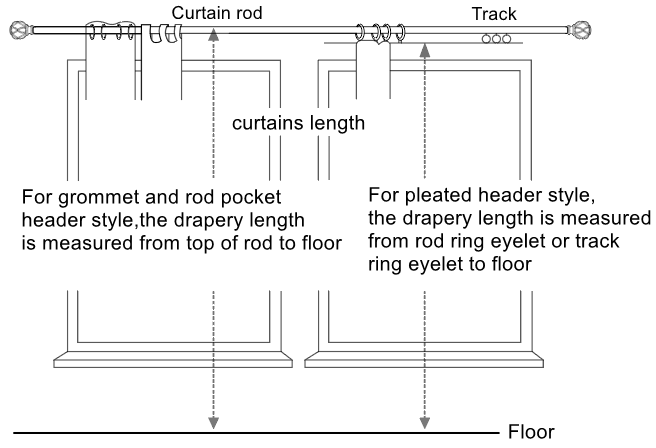
- Desired curtain length
- Curtain rod height
- Extra fabric for hems
- Extra width for fullness
For a basic curtain panel, the total curtain width is usually 1.5 to 2 times the window width. This helps the curtains look fuller when closed.
If you want floor-length curtains, measure from the curtain rod or track to where you want the curtain hem to end.
Step 2: Choose the Right Fabric
The fabric affects how your curtains hang, move, and look.
Common fabric choices include:
- Sheer fabric for soft natural light
- Linen fabric for relaxed texture
- Cotton blend fabric for everyday curtains
- Blackout fabric for better light control
- Velvet fabric for a richer look
For beginners, it is better to start with simple, medium-weight fabric. Thick fabrics or lined curtains are harder to sew evenly and may require more advanced equipment.
Step 3: Cut the Fabric
After measuring, cut your fabric carefully. Add extra fabric for hems:
- Side hems: about 1–2 inches on each side
- Bottom hem: about 3–4 inches
- Top hem: depends on your curtain header style
Always cut slowly and keep the fabric straight. Uneven cutting can make curtains hang poorly.
Step 4: Sew the Side and Bottom Hems
Fold the side edges inward, press with an iron, and sew straight seams. Then fold and sew the bottom hem.
A clean hem helps your curtain panels look more finished. For simple DIY window curtains, this step can make a big difference.
Step 5: Create the Curtain Header
The header is the top part of the curtain. It affects how the curtains hang from the rod or track.
For DIY curtains, the easiest header styles are:
- Rod pocket curtains
- Basic clip ring curtains
- Simple flat panel curtains
These styles are beginner-friendly and do not require complex shaping.
However, more refined styles like pinch pleat curtains, triple pleat curtains, French pleat curtains, goblet pleat curtains, Back Tap, Top tie, Grommet and ripple fold curtains are harder to make at home. These styles require accurate spacing, structured sewing, and professional finishing to look balanced.

Step 6: Hang and Adjust the Curtains
Once the curtain is sewn, hang it on your rod or track and check the length, fullness, and drape.
Look for:
- Even bottom length
- Smooth side edges
- Balanced folds
- Correct width coverage
- Proper floor clearance
If the curtains look uneven, you may need to adjust the hem or re-press the fabric.
What DIY Curtains Can Do Well
DIY curtains are a good choice for simple projects. They can help you:
- Change curtain length
- Hem ready-made curtains
- Create simple panels
- Make temporary curtains
- Sew small window coverings
- Try simple decorative curtains
- Refresh a room on a budget
For basic home decor needs, sewing curtains yourself can be useful and enjoyable.
Where DIY Curtains Have Limitations
While DIY curtains can work for simple styles, they often have limitations when it comes to professional finish, structure, and long-term performance.
DIY curtains may struggle with:
- Large window sizes
- Heavy fabrics
- Blackout lining
- Thermal lining
- Precise pleated headers
- Consistent fullness
- Professional seam finishing
- Even drape from top to bottom
- Multiple matching curtain panels
If the curtains are too short, too narrow, uneven, or poorly structured, the entire room can look less polished.
Why Professional Custom Curtains Look Better
For a more refined result, custom curtains are usually the best choice. Professional custom curtain makers can create curtains that fit your exact window size, room style, and functional needs.
Custom curtains offer:
- Accurate made-to-measure sizing
- More fabric choices
- More lining options
- Better light control
- Professional sewing and finishing
- More header styles
- Better fullness and proportion
- A more polished interior design look
This is especially important for living room curtains, bedroom curtains, blackout curtains, linen curtains, and full-length custom drapes.

Click image to shop the same look
More Header Styles with Custom Curtains
One major advantage of professional custom curtains is the variety of header styles available.
Custom curtain options may include:
- Pinch pleat curtains
- Double pleat curtains
- Triple pleat curtains
- French pleat curtains
- Goblet pleat curtains
- Ripple fold curtains
- Grommet curtains
- Rod pocket curtains
- Back tab curtains
- Flat hook curtains
Pleated curtains are especially popular because they create a tailored, elegant, and designer-inspired look. These styles are difficult to sew neatly at home without professional experience.
The Benefit of Memory Shape Setting
Another important difference is professional finishing. Many high-quality custom curtains can be treated with memory shape setting, which helps the curtain folds stay smooth, even, and consistent.
Memory-shaped curtains can:
- Hang more naturally
- Keep pleats in place
- Reduce messy folds
- Create a cleaner vertical drape
- Improve the overall curtain silhouette
- Make the room look more polished
This type of finish usually requires professional equipment and cannot be easily achieved with basic home sewing.
For pleated curtains, custom drapes, and floor-length curtains, memory shaping can make a noticeable difference in how the curtains hang.

Click image to shop the same look
DIY Curtains vs. Custom Curtains
| Option | Best For | Limitations |
|---|---|---|
| DIY Curtains | Simple panels, hemming, small windows | Limited styles and finish |
| Ready-Made Curtains | Quick basic window coverage | May not fit perfectly |
| Custom Curtains | Precise fit, premium look, multiple styles,Designer finish and elegant drape | Requires professional making |
If you only need a simple curtain panel, DIY may be enough. But if you want curtains that look elegant, hang beautifully, and fit your windows properly, professional custom curtains are worth considering.
Final Thoughts
So, how do you sew a curtain?
You can sew a basic curtain by measuring your window, choosing fabric, cutting the panels, sewing hems, creating a simple header, and hanging the finished curtain. DIY curtains are great for simple styles, small projects, and basic size adjustments.
However, for a more polished result, custom curtains are often the better choice. Professional custom curtains can be made in more styles, including pleated curtains, pinch pleat drapes, blackout curtains, linen curtains, and other tailored window treatments. With professional sewing, precise sizing, quality lining, and memory shape setting, custom curtains can create a smoother, fuller, and more elegant hanging effect.
If you want your curtains to do more than simply cover a window, custom-made curtains can help your space feel beautifully finished.
IXA Curtains, we create custom curtains that bring warmth, texture, and refined style to beautifully lived-in🔗 Shop the Collection at ixacurtains.com
FAQ
Can I sew curtains myself?
Yes. You can sew simple curtain panels, rod pocket curtains, cafe curtains, or hem ready-made curtains at home.
What is the easiest curtain style to sew?
Rod pocket curtains, simple flat panels, and clip ring curtains are usually the easiest curtain styles for beginners.
Can I sew blackout curtains at home?
You can, but blackout curtains are more difficult because the fabric or lining is heavier and harder to sew evenly.
Are custom curtains better than DIY curtains?
For simple projects, DIY curtains can work well. For a better fit, more style options, pleated headers, and professional drape, custom curtains are usually better.
Why do custom pleated curtains hang better?
Custom pleated curtains are professionally measured, sewn, and often memory-shaped, helping the folds stay even and creating a cleaner hanging effect