












Many American homes already have blinds installed, especially white horizontal blinds. They are practical, easy to adjust, and helpful for everyday privacy. Still, blinds on their own can sometimes make a room feel plain or unfinished.
Adding custom curtains over blinds is one of the easiest ways to make the window feel more connected to the rest of the room. Curtains can echo your bedding, sofa, rug, pillows, or wood tones, while adding softness, privacy, light control, and a more polished custom look.
If your home has Roman shades, roller shades, or cellular shades instead of blinds, the same styling idea can still work. Technically, those are shades rather than blinds, but adding curtains over them can also make the room feel more complete and elevated.
Can You Put Curtains Over Blinds?
Yes, you can put curtains over blinds. In many homes, it is a simple way to improve the look of a window without removing the blinds that are already installed.
Blinds are useful because they let you adjust light and privacy quickly. But visually, they can feel flat by themselves. Curtains add softness, height, texture, and a more designed look. This works especially well in bedrooms, dining rooms, living rooms, apartments, and street-facing rooms where blinds alone may feel too basic.
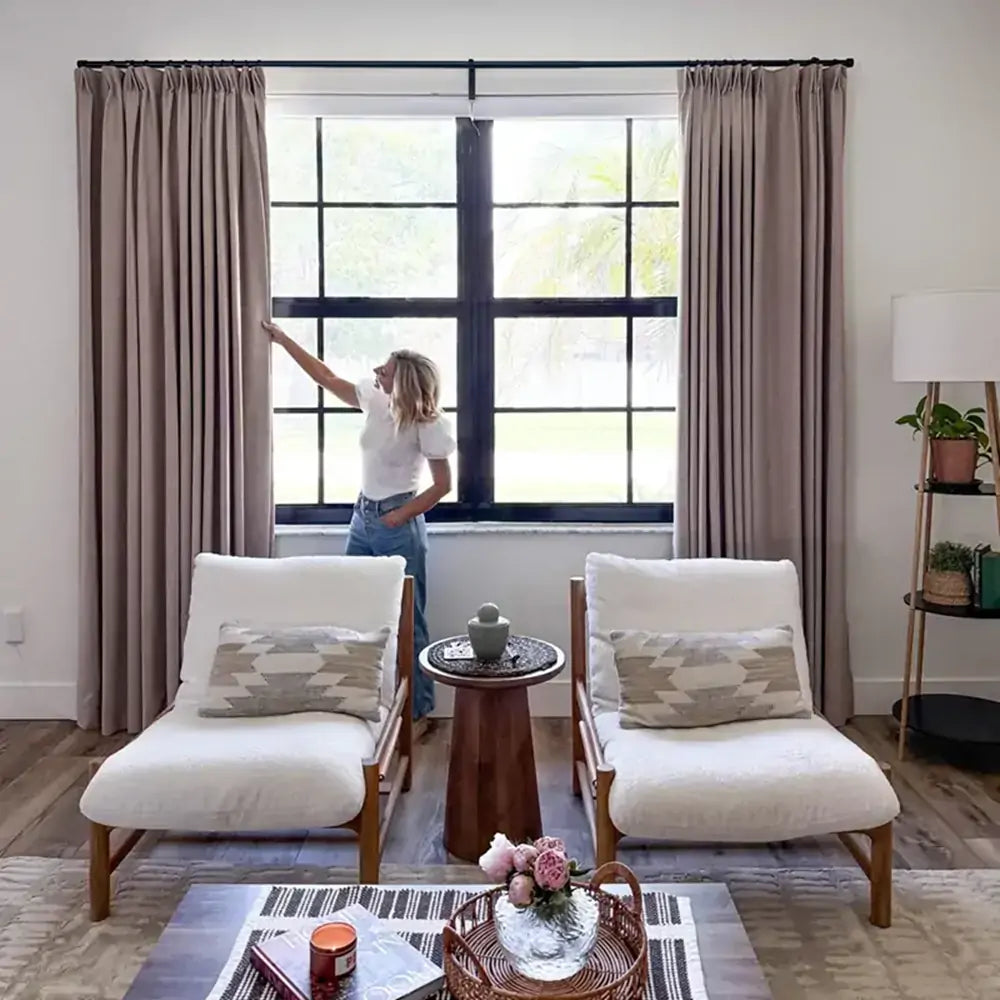
The key is to treat curtains as a real outer layer, not a small decorative add-on. A curtain rod installed higher and wider than the window gives the fabric enough room to gather neatly on both sides. When the curtains are open, most of the window should still be visible. When they are closed, the room feels more private, softer, and more comfortable.

What Curtains Work Best With Blinds?
The best curtains to pair with blinds depend on the room and what you need the window treatment to do.
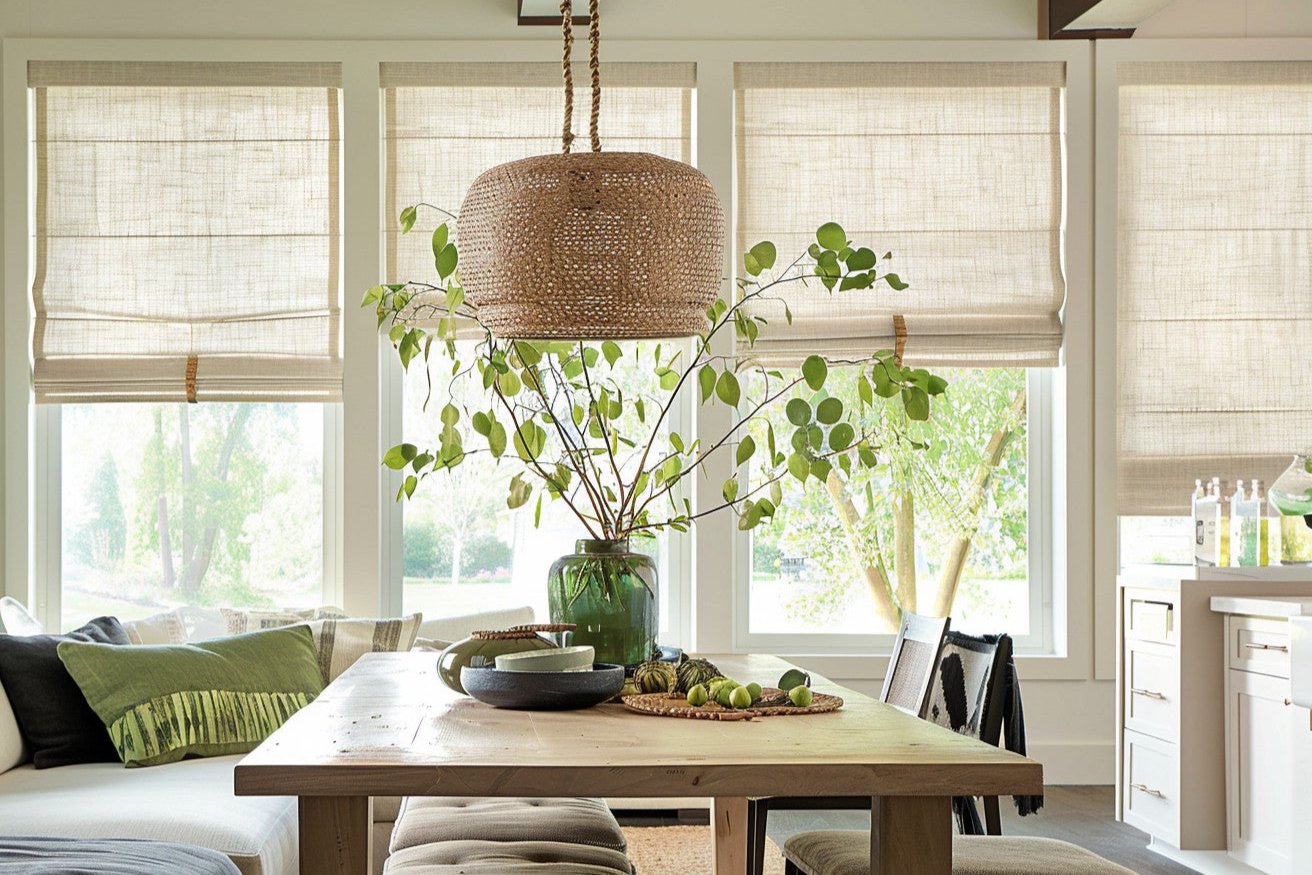
For living rooms and dining rooms, lighter fabrics usually work well. Sheer curtains and linen curtains can soften the look of blinds without making the room feel too dark. They are a good choice when you want the space to stay bright, relaxed, and easy to live in.
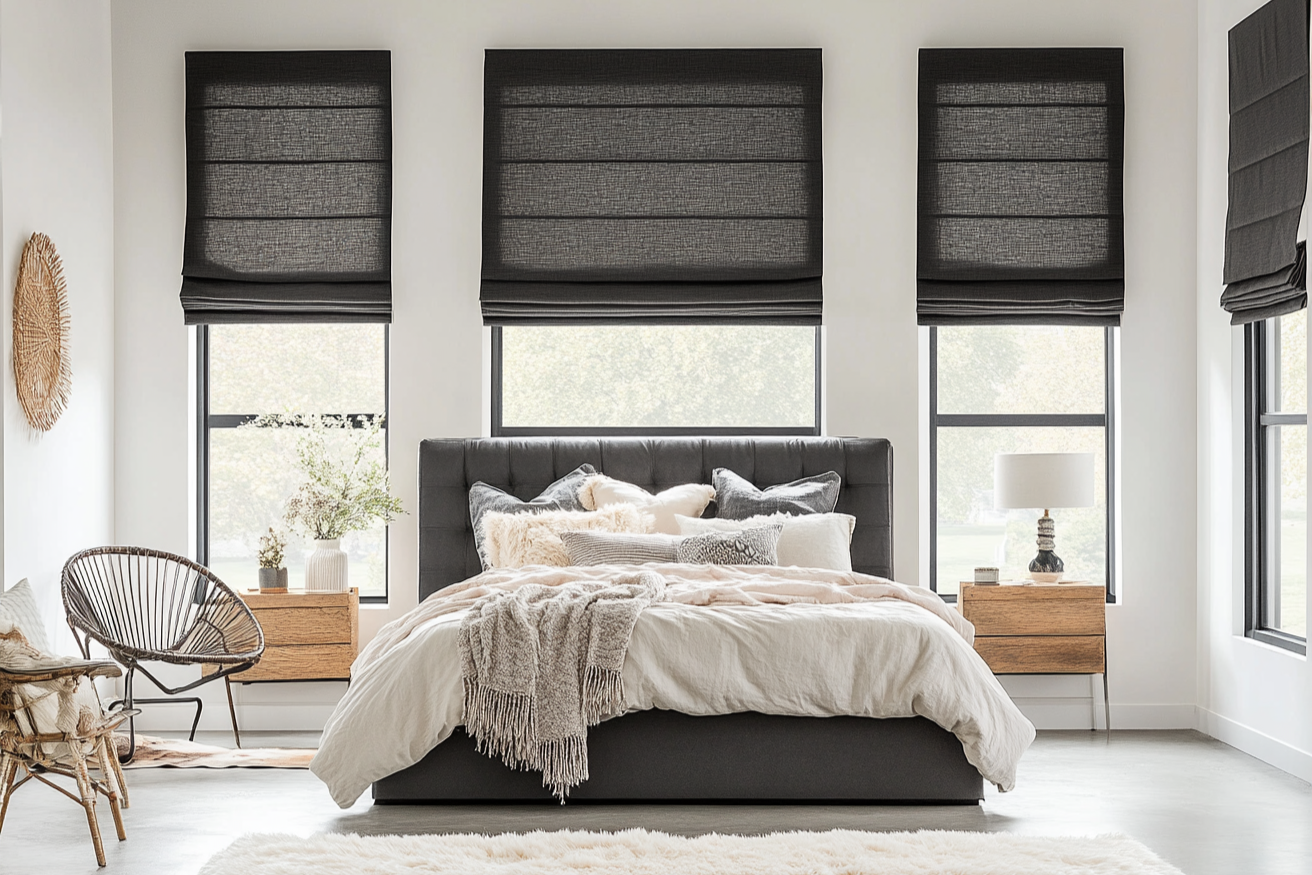
For bedrooms, kids’ rooms, and media rooms, room darkening curtains or blackout curtains are often a better fit. These heavier curtain styles can improve light control and nighttime privacy. If you prefer the look of linen curtains but still need more coverage, adding a privacy or blackout lining can be a good compromise.
Blinds can reduce visibility, but they may not feel private enough at night when the lights are on indoors. A thicker outer curtain layer gives the room a more settled feeling and can also help soften outside noise slightly, depending on the fabric weight and lining.
If you want a more formal or elevated look, velvet curtains are another strong option. Velvet has more weight and drape, so it pairs well with white blinds, wood blinds, and even Roman shades when you want the window to feel intentional rather than temporary.
| Room or Window Type | Best Curtain Choice | Why It Works |
|---|---|---|
| Living room with white blinds | Linen or light filtering curtains | Softens the window without making the room too dark |
| Bedroom with blinds | Room darkening or blackout curtains | Adds privacy and better light control for sleep |
| Dining room windows | Sheer curtains or linen curtains | Makes the space feel warmer and more finished |
For windows that already have blinds, it is better not to choose curtains based only on the glass width. You also need to think about the wall space around the window, how much room the curtains need when they stack on the sides, and how much coverage you want when they are closed. This is where custom curtains make a visible difference: the size, header style, fullness, and lining can all be made around your actual window.
How to Match Curtain Colors With Blinds
The safest way to match curtains with blinds is to start with the color of the blinds, then look at the wall color, flooring, and furniture.
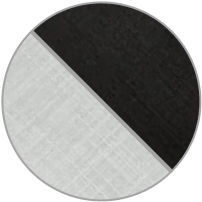
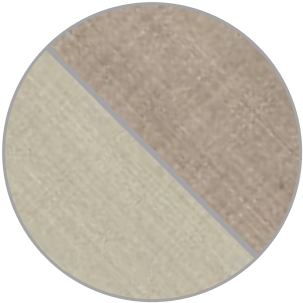
White blinds are the most common and also the easiest to style. They pair well with ivory, oatmeal, warm beige, greige, taupe, soft gray, and natural linen tones. These colors keep the room clean and calm without making the window feel too stark.
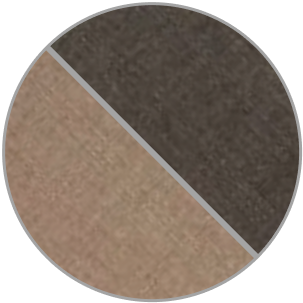
If your blinds are wood or faux wood, choose curtain colors that relate to the wood tones already in the room. Light oak blinds work well with ivory, oatmeal, warm beige, and soft gray. Dark walnut blinds can look beautiful with taupe, chocolate brown, deep green, or muted burgundy when you want a richer, more grounded space.
A low-risk rule is to choose curtains one or two shades deeper than the wall color. This keeps the window from looking harsh, but still gives it enough presence. For a more layered room, let the curtain color repeat something already in the space, such as a sofa fabric, bedding tone, pillow color, rug detail, or wood finish.

Click image to shop the same look
How to Hang Curtains Over Blinds
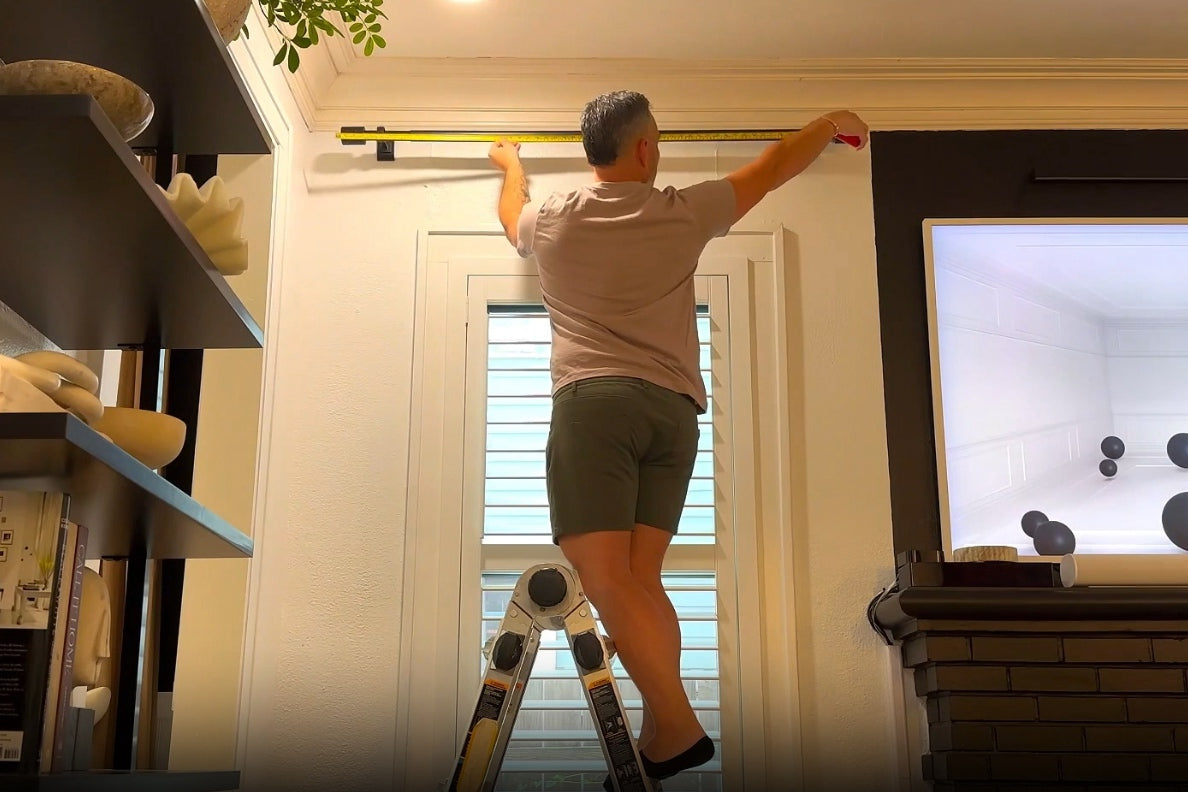
When hanging curtains over blinds, the curtain rod should usually be installed higher than the window frame and wider than the window. This makes the window look taller and gives the curtain fabric room to stack on both sides when open.
If you have enough wall space, extend the rod beyond the window frame on each side. This creates stackback space, which matters more than many people realize. Heavier fabrics such as velvet curtains and blackout curtains need more room when they are open. If the rod is too narrow, the curtains will cover too much of the glass even when pulled aside.
If your blinds are mounted inside the window frame, the curtain rod can usually be installed above the frame or higher on the wall. If your blinds are mounted outside the frame, check the depth of the blind headrail and brackets before adding a curtain rod. The two systems need enough clearance so they do not crowd each other.
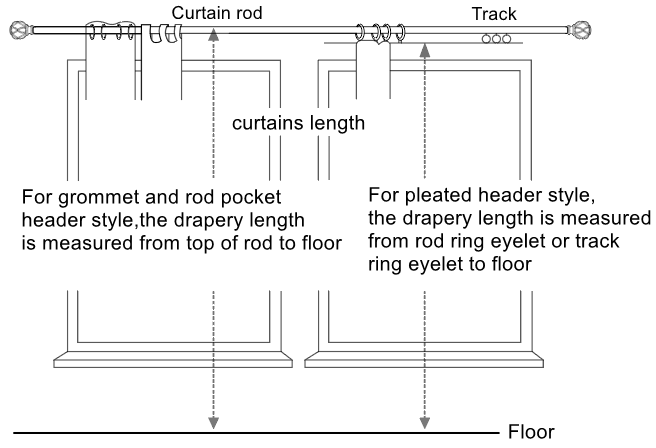
Curtain length also affects the final look. In most bedrooms, living rooms, and dining rooms, floor-length curtains look more finished than short curtains that stop at the sill. You can use the IXACurtians Measurement Guide or Measurement Finder to confirm the best size before ordering.
Should Curtains Cover the Blinds?
Most of the time, curtains do not need to cover the blinds all day. During the day, you can leave the curtains gathered on both sides so the window and blinds remain mostly visible. When you need more privacy, stronger light control, or a softer evening atmosphere, you can close the curtains.
This setup gives you the best of both layers. The blinds stay useful for daily adjustments, while the curtains make the room feel warmer and more finished.
Inside-mount blinds are usually the easiest to layer with curtains because the curtain panels can sit outside the window frame cleanly. With outside-mount blinds, the curtain rod may need to be wider so the hardware and fabric do not look crowded.

Make Curtains Over Blinds Look More Custom
The difference between an average layered window and a high-end one usually comes down to proportion, fabric, and fullness.
Curtains should have enough fullness to create stable folds when closed and a neat stack when open. Pinch pleat, tailored pleat, or hook-style curtain headers often look more structured than basic ready-made panels, especially when they are layered over blinds.
Fullness also changes how the curtains behave. A fuller curtain stacks more generously on the sides and falls with a softer rhythm when closed. If you are unsure how much fabric you need, the IXACurtians curtain fullness guide can help you understand the difference before ordering.
IXACurtians custom curtains can be made around your window size, ceiling height, header style, fabric preference, and lining needs. Whether you want a light linen look for a dining room or a room darkening layer for a bedroom, curtains can turn existing blinds into a more complete layered window treatment.
FAQs
Do curtains over blinds look outdated?
No. Curtains over blinds can look current when the curtains are hung high and wide, made with proper fullness, and paired with fabric that suits the room. The goal is to make the layers look intentional, not like an afterthought.
Should curtains be wider than the window when layering over blinds?
Yes. Curtains should usually extend wider than the window so the fabric can stack on both sides when open. This keeps more of the glass visible and helps the whole window treatment look more custom.
Are blackout curtains good over blinds?
Blackout curtains work well over blinds in bedrooms, nurseries, media rooms, and street-facing spaces. Blinds can reduce visibility, but blackout curtains add stronger light control and privacy.
Can you hang curtains over vertical blinds?
Yes, but the setup needs enough clearance so the curtain panels do not interfere with the vertical blind track. For sliding glass doors or wide windows, custom-width curtain panels usually look cleaner than narrow ready-made panels.
Do I need to remove blinds before installing curtains?
Usually no. If the blinds still work well and fit the window, you can keep them and add curtains as an outer decorative and functional layer.