



Do Velvet Curtains Reduce Sound?
If you live near a busy street, hallway, parking lot, or noisy neighbor, you may wonder: do velvet curtains reduce sound?
The short answer is yes, velvet curtains can help soften sound in a room, especially echoes and everyday indoor noise. However, they are not the same as professional soundproofing. Velvet curtains will not completely block traffic noise, construction noise, or loud neighbors. Their effectiveness depends on fabric weight, fullness, lining, installation width, curtain length, and how well the window itself is sealed.
For bedrooms, media rooms, living rooms, and street-facing windows, heavier velvet curtains can make a room feel quieter, softer, and more comfortable.

How Do Velvet Curtains Help With Sound?
Sound bounces off hard surfaces such as glass, walls, floors, and ceilings. When a room has large windows, wood floors, tile, or minimal furniture, it can feel echoey or sharp.
Velvet curtains add a soft, dense fabric layer around the window. This helps absorb some sound energy instead of letting it bounce around the room. The result is usually not complete silence, but a room that feels less hollow and more comfortable.
This is one reason velvet curtains are often used in bedrooms, media rooms, offices, lounges, and formal living rooms. They add visual depth while also softening the way sound moves through the space.
If you are comparing different fabric types, start with custom curtains so you can choose the right fabric, size, header style, and lining for your room.

Are Velvet Curtains Soundproof?
No. Velvet curtains are better described as sound absorbing, not soundproof.
Sound absorption means the fabric helps reduce echoes and soften noise inside the room. Soundproofing means blocking sound from entering or leaving a room, which usually requires sealed windows, heavier barriers, wall construction, or professional acoustic materials.
Velvet curtains may help with:
- Echoes in rooms with hard floors or large windows
- Softer indoor acoustics
- Mild street noise
- TV or conversation echo
- A more private, cozy room feeling
They will not fully block:
- Heavy traffic noise
- Construction noise
- Loud neighbors
- Footsteps from upstairs
- Sound coming through walls or poorly sealed windows
So the best way to think about velvet curtains is this: they can make a room feel quieter, but they are not a complete noise-blocking solution.
What Makes Velvet Curtains Better for Noise Reduction?
Not all velvet curtains perform the same way. A thin decorative velvet panel will not do as much as a heavier, fuller, lined velvet curtain.
| Factor | Why It Matters |
|---|---|
| Fabric weight | Heavier fabric usually absorbs more sound than thin fabric |
| Curtain fullness | More fullness creates deeper folds and more fabric surface |
| Lining | Privacy, blackout, or thermal lining can add weight and coverage |
| Curtain width | Wider curtains cover more wall and window area |
| Curtain length | Floor-length curtains create a more complete fabric layer |
| Window seal | Curtains help less if the window itself leaks sound |
Fullness is especially important. If a curtain is stretched flat across the window, it has less fabric volume and fewer folds. A fuller curtain has more depth, which can help soften sound and also look more tailored.
You can use our curtain fullness guide to understand how fullness changes the final look and coverage of custom drapes.
Does Lining Help Velvet Curtains Reduce Sound?
Yes, lining can help. It will not turn regular curtains into professional soundproof panels, but it can add weight, thickness, and coverage.
For velvet curtains, lining is especially useful if you also want better privacy, room darkening, or insulation. A lined velvet curtain usually feels more substantial than an unlined panel and can help create a softer, more enclosed room feeling.
If you are choosing curtains for a bedroom, media room, nursery, or street-facing window, it is worth comparing lining options before ordering. Our curtain lining guide explains the difference between privacy lining, blackout lining, and thermal lining.
Best Rooms for Velvet Curtains
Velvet curtains work especially well in rooms where you want comfort, privacy, and atmosphere.
In bedrooms, velvet curtains can help reduce brightness, improve privacy, and make the space feel calmer. In media rooms, they can help reduce echo and create a more immersive feeling. In living rooms, they add depth and softness, especially if the room has large windows or hard surfaces.
They are also a strong choice for street-facing windows, apartment bedrooms, home offices, and lounge spaces where you want the room to feel more finished and less exposed.
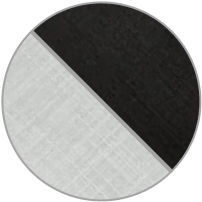
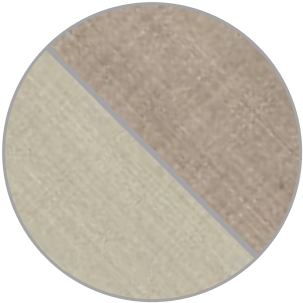
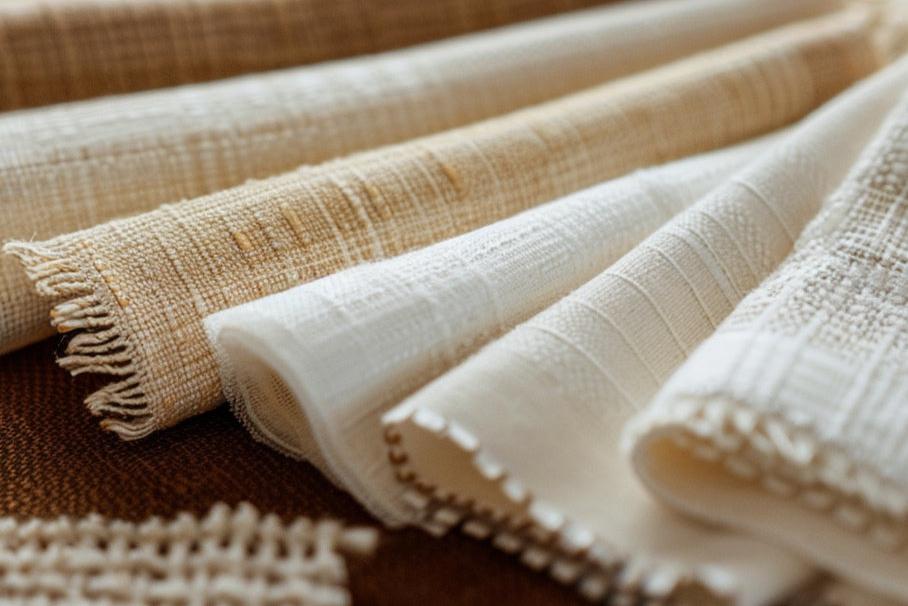
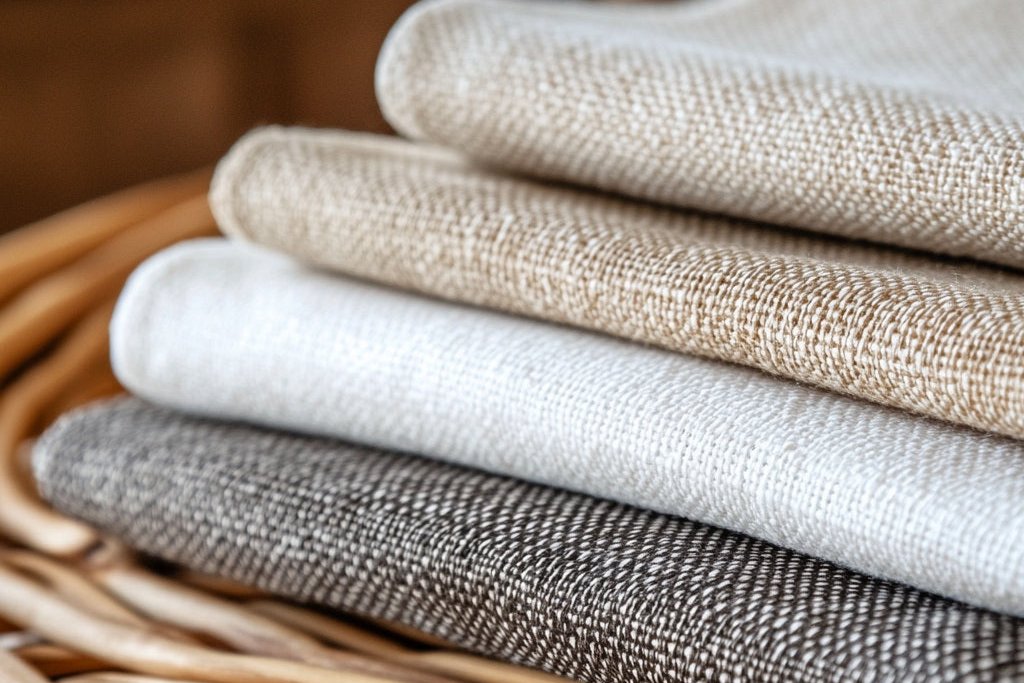
If you are unsure which color or texture will work in your room, it is best to compare fabric swatches at home in both daytime and evening light.

How to Get Better Noise-Softening Results
To get the best result from velvet curtains, avoid choosing panels that barely cover the window. The more complete the coverage, the better the curtains can soften the window area.
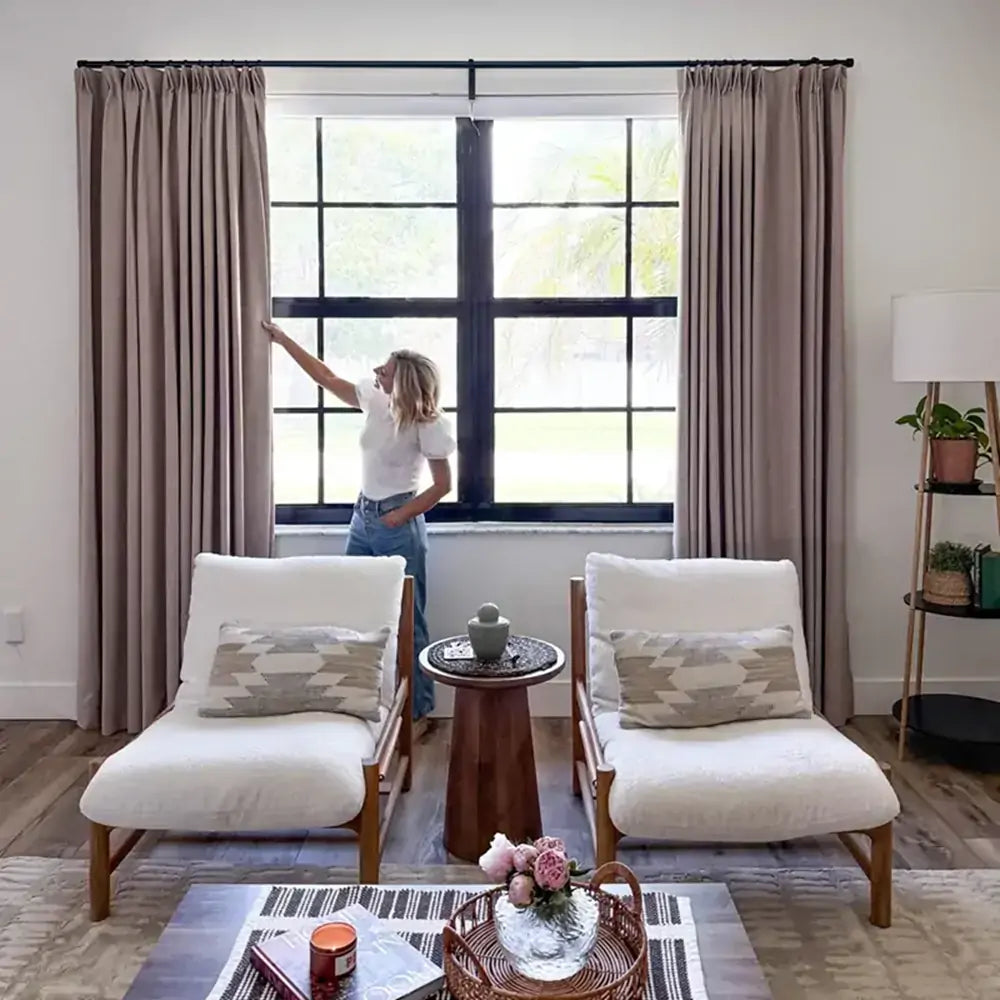
Hang the curtains higher and wider than the window frame. Choose enough width so the curtains still have natural folds when closed. For bedrooms and media rooms, floor-length panels usually look more polished and provide better visual and fabric coverage.
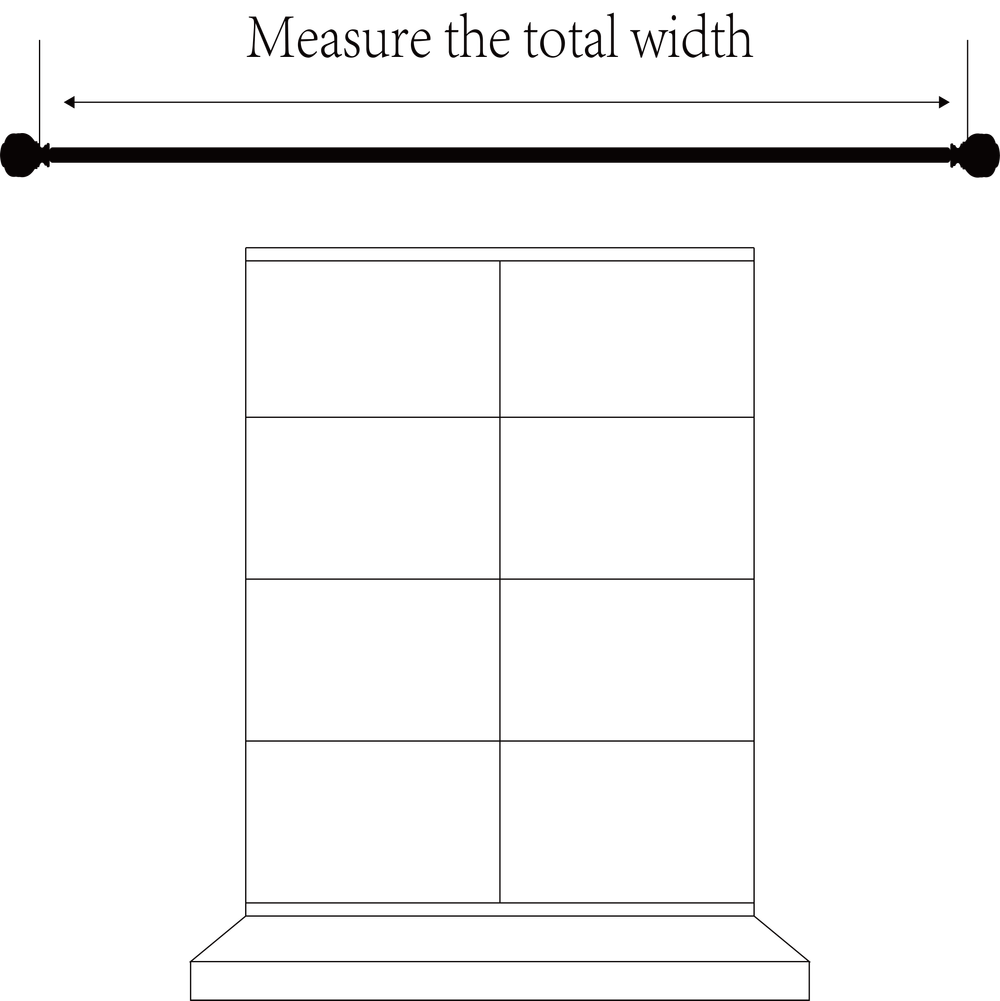
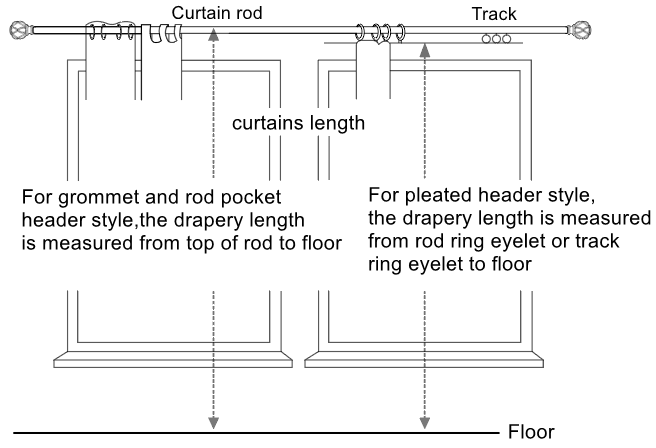
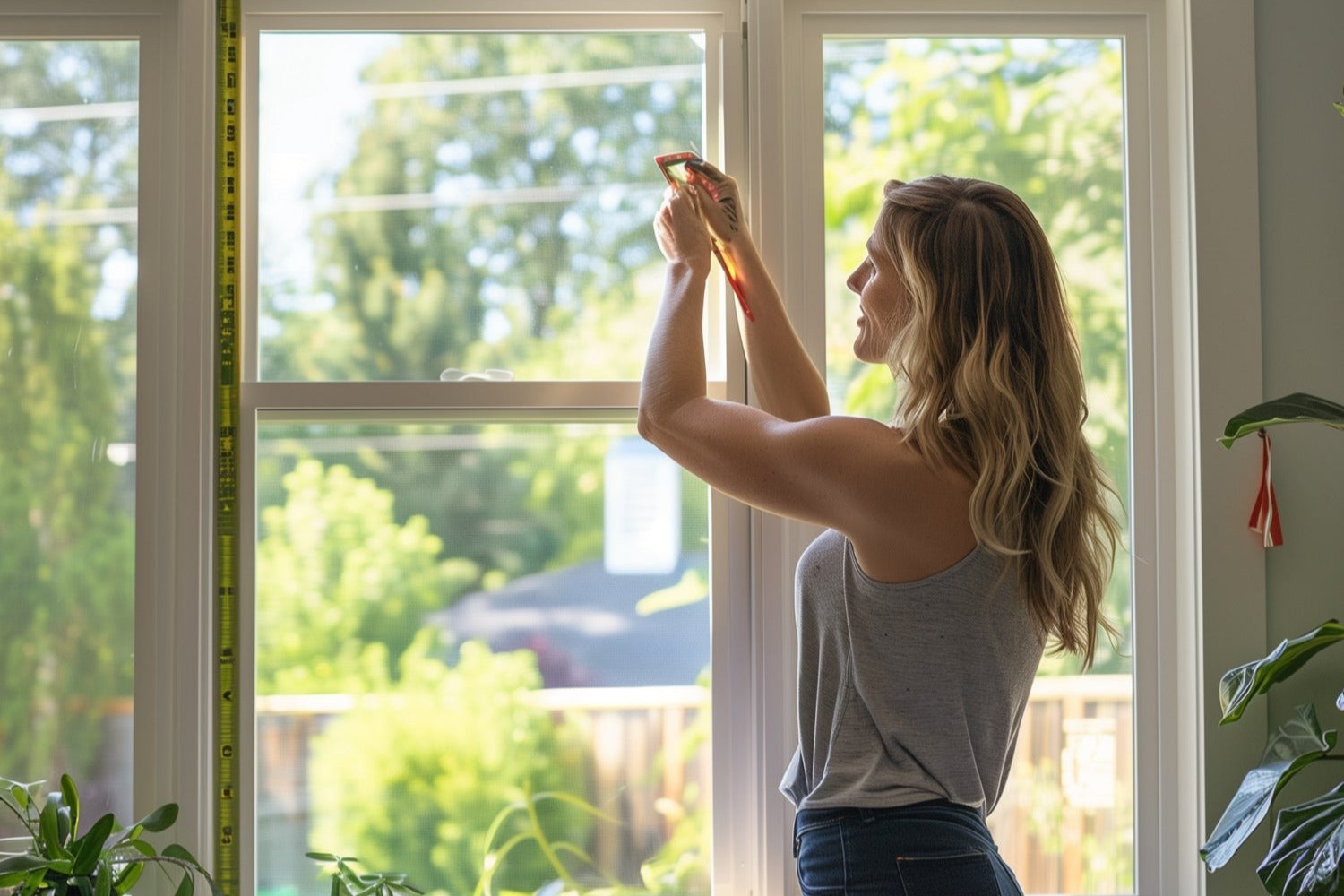
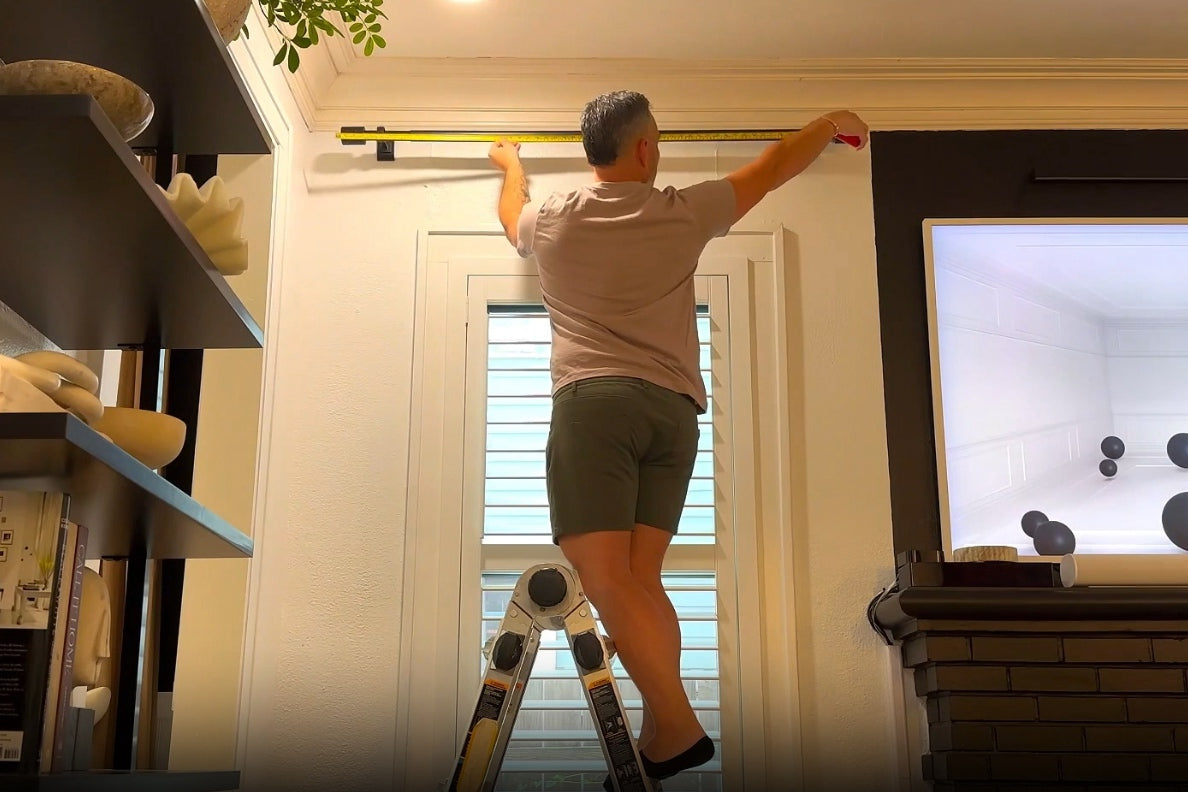
Before ordering, check your measurements carefully. You can follow our custom curtain measuring guide or use the measurement finder to help calculate the right size.
This is where made-to-measure custom curtains can make a real difference. Instead of trying to make standard panels fit your window, you can choose the size, header style, fullness, lining, and fabric based on your room.
Choose Aushme for a Softer, More Atmospheric Room
If you want velvet curtains for a bedroom, media room, lounge, or street-facing window, Aushme luxurious velvet room darkening custom drapes are a strong option to consider.
Aushme brings the rich look of velvet with a heavier, more substantial room-darkening feel. It is a good fit when you want privacy, softness, a deeper room atmosphere, and a more tailored custom curtain look.
For the best result, pair Aushme with the right fullness, finished length, and lining choice for your space.
Are Velvet Curtains Enough for Serious Noise Problems?
Velvet curtains can help, but they are not the full answer for every noise problem.
If the issue is mild street noise, room echo, or a space that feels too empty, heavy velvet curtains can make a noticeable difference in comfort. But if you are dealing with loud traffic, construction, wall transmission, or poor window sealing, curtains alone will not solve the problem.
For stronger noise control, you may also need:
- Better window sealing
- Rugs or carpet
- Upholstered furniture
- Wall treatments
- Door gap sealing
- Professional acoustic panels
- Window upgrades
Curtains are best used as one part of a more comfortable room setup, not as a full soundproofing system.
Final Thoughts
Velvet curtains can reduce sound in the sense that they help absorb echoes and soften noise inside a room. They are not professional soundproof curtains, but heavier velvet fabric, proper fullness, floor-length coverage, and lining can make a bedroom, living room, or media room feel quieter and more comfortable.
If your goal is a softer, more private, and more atmospheric space, velvet curtains are worth considering. For a richer custom look, start with Aushme luxurious velvet room darkening custom drapes, then choose the size, fullness, and lining that best match your room.
FAQ
Do velvet curtains really reduce noise?
Velvet curtains can help reduce echoes and soften some indoor noise, especially in rooms with hard floors, large windows, or minimal furniture. They will not completely block loud outdoor noise.
Are velvet curtains soundproof?
No. Velvet curtains are sound absorbing, not fully soundproof. They can make a room feel quieter, but they do not replace sealed windows, wall insulation, or professional acoustic materials.
What curtains are best for reducing noise?
Heavy curtains, lined curtains, velvet curtains, blackout curtains, and full custom drapes usually perform better than thin, flat panels.