







Sliding glass doors bring generous natural light into a room and create an easy connection between indoor and outdoor spaces. Choosing the right curtains for them, however, is not always straightforward.
This guide covers the key decisions involved in choosing curtains for sliding glass doors, including room function, curtain width and length, panel count, the differences between grommet curtains and pinch pleat drapes, and the details to consider before installation.
Should You Put Curtains on a Sliding Door?
Yes. In most living rooms, dining rooms, bedrooms, and street-facing spaces, curtains can improve privacy, light control, and the overall look of a sliding glass door.
The room itself plays a large part in determining which curtains will work best. Curtains for the living room may be quite different from curtains for the bedroom. Long curtains can add height and softness to a living room, while bedroom curtains often need to provide more privacy and better light control.
Custom curtains work well in both settings because they can be made around the actual width, installation height, and opening direction of the sliding door. This creates a cleaner result than trying to cover a wide opening with several standard-size ready-made panels.
For a door facing a private backyard, lightweight curtains or sheer panels may provide all the coverage you need. A sliding door facing the street, a neighboring home, or strong western sunlight may be better suited to heavier curtains.
What Kind of Curtains Do You Put on a Sliding Glass Door?
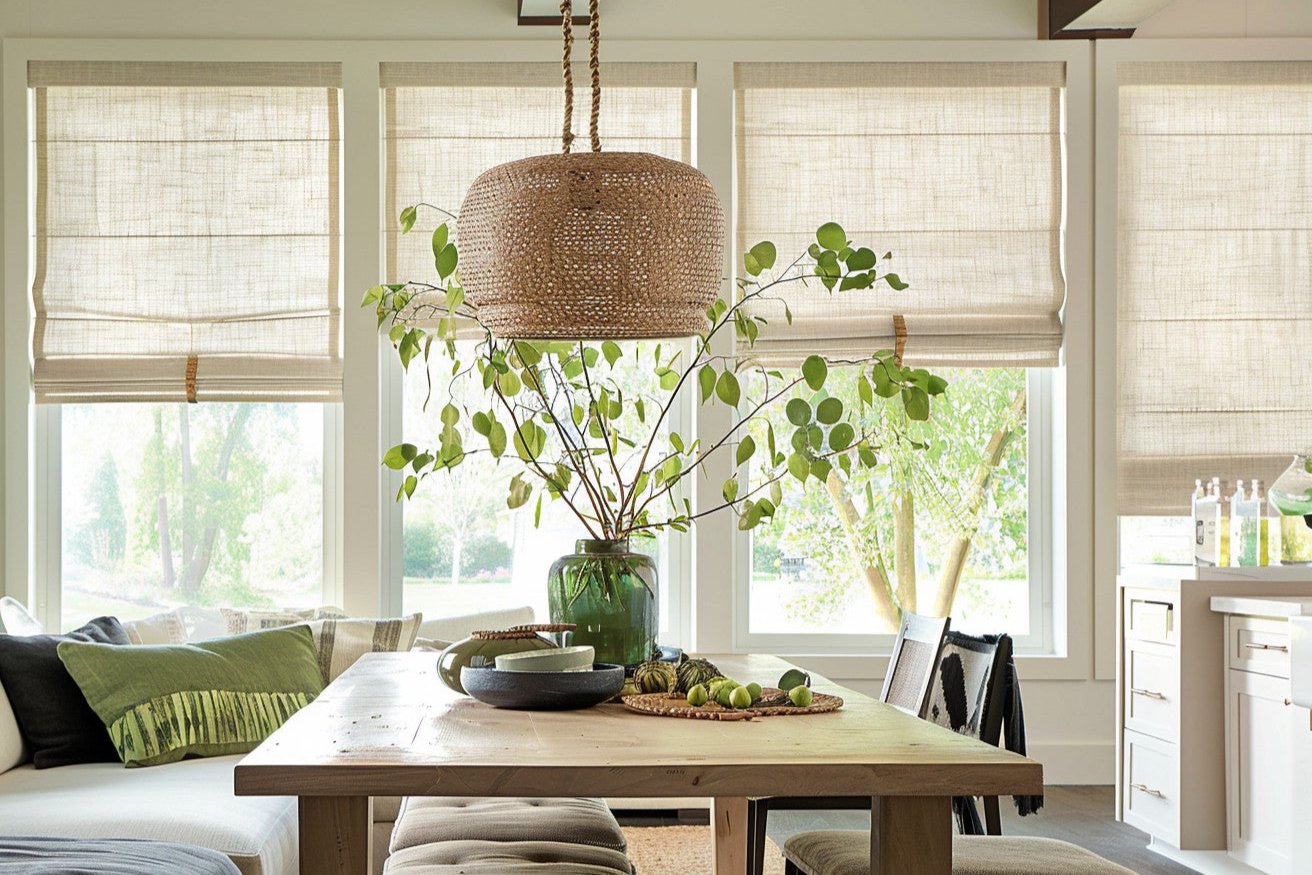
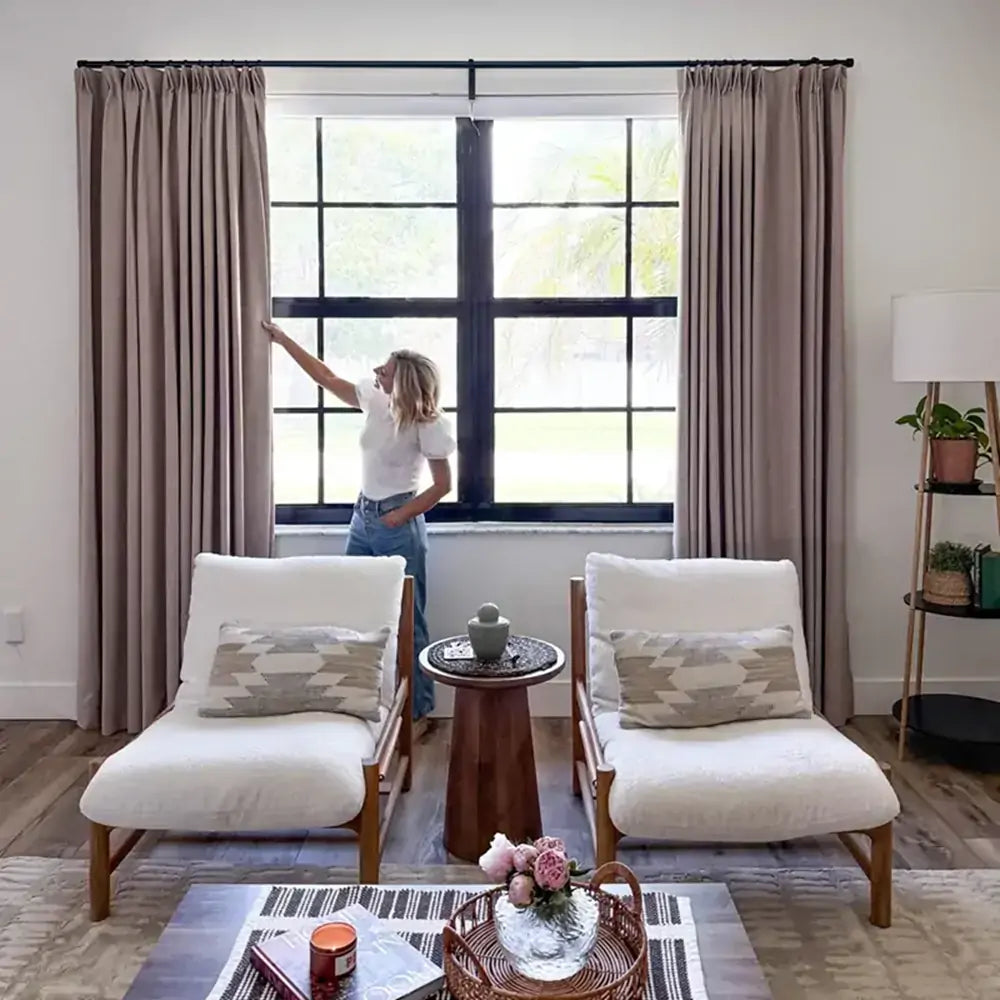
Click the photo to shop the same linen curtain style

Grommet / Soft Top Curtains vs. Pleat Drapes
Choosing between grommet curtains and pinch pleat drapes depends on the look you want and how the curtains will be used from day to day.
Grommet drapes hang directly from a curtain rod through metal rings. They have a clean, contemporary appearance and are generally easy to open and close. Grommet curtains work with curtain rods, but they are not designed for a standard curtain track.
Pinch pleat drapes, French pleat curtains, and tailored pleat curtains have permanent folds sewn into the header. Their structured pleats create a more polished appearance and help the folds continue vertically down the panels. These styles can work with a curtain rod and rings, a traverse rod, or a compatible curtain track.
For a sliding door that is opened every day, curtains that move on rings, track carriers, or grommets are usually easier to operate than rod pocket curtains. You can compare the hardware and measuring requirements for each option in the IXACurtians curtain header guide.
We generally recommend a structured pleated header for large sliding doors. When the curtains are open, the folds tend to stack more evenly at the sides of the door. A tidy stackback leaves more of the glass visible and gives the whole installation a more finished appearance.
Click here to know more about the header style

Functionality and Fabrics
How the sliding glass door is used should also influence the fabric choice. A door that opens frequently needs curtains that move without creating too much resistance along the rod or track.
Lightweight sheer curtain panels work well in a bright living or dining room. They soften direct sunlight and keep the space feeling open, although they provide limited privacy at night.
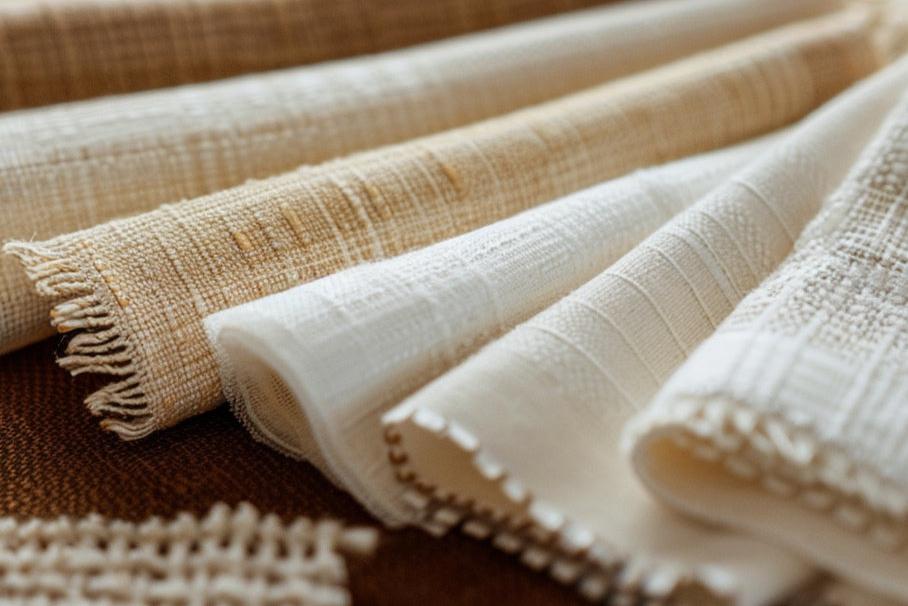
Linen and linen-look curtains add natural texture to a large expanse of glass. If you like this appearance but need more privacy or light control, the curtains can be made with an appropriate lining.
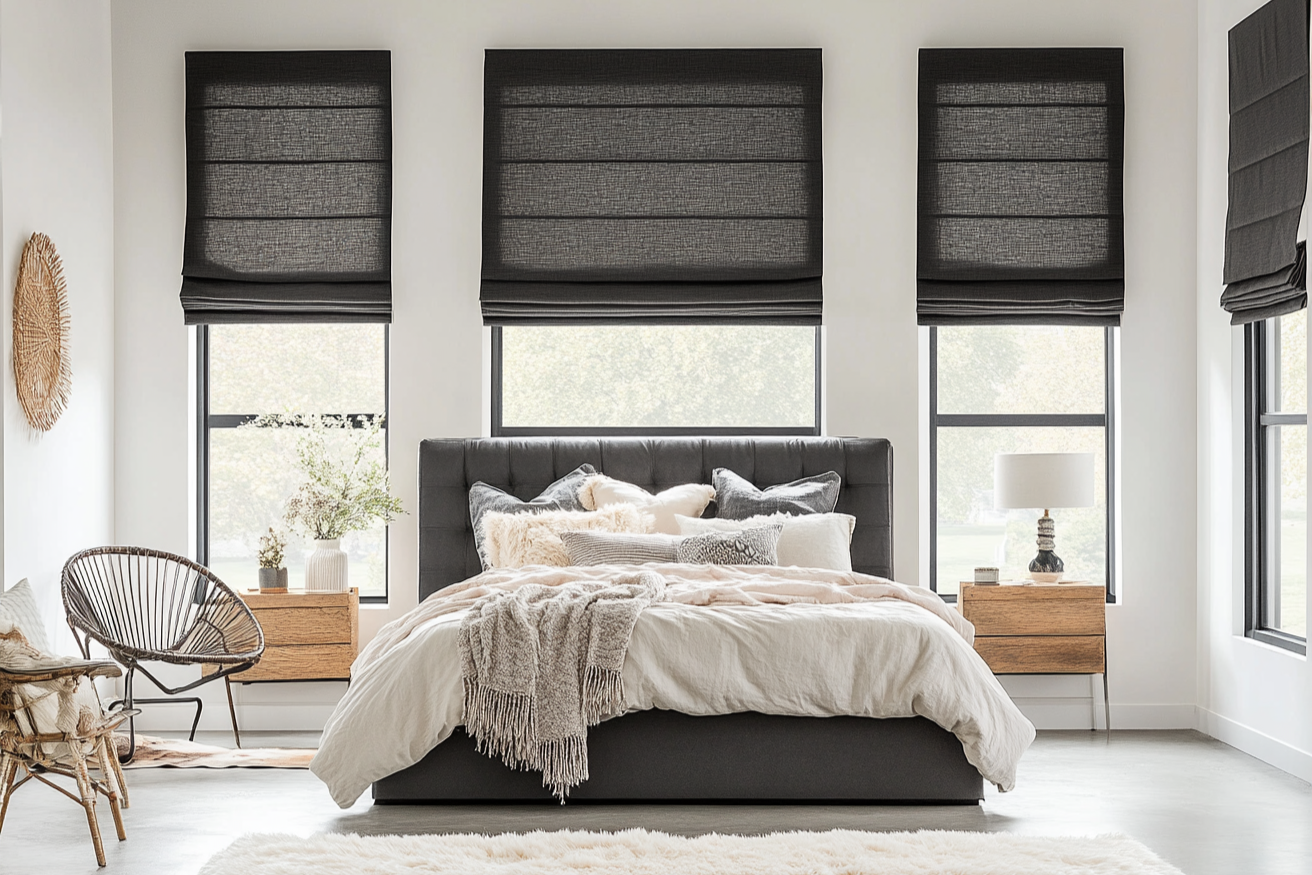
For bedrooms, media spaces, street-facing rooms, or doors exposed to strong afternoon sunlight, consider room darkening curtains or blackout curtains. Heavier curtains provide more reliable light control, but they also require stronger hardware and more stackback space.
Layering for Style and Function
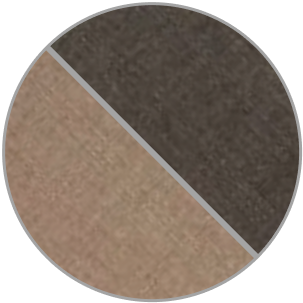
Click here to shop the same brown velvet curtains from the photo
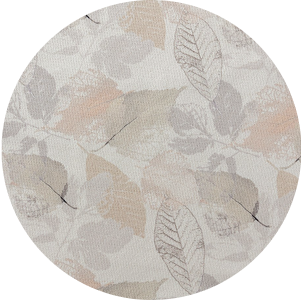
Click here to shop the same sheer curtains from the photo

Layered curtains can be both practical and attractive on sliding glass doors. Pairing sheer curtain panels with heavier blackout or room darkening curtains gives you more control over light and privacy throughout the day.
Keep the sheers closed during the day to soften the sunlight while maintaining a bright room. In the evening, close the outer curtains for greater privacy and light control. A layered arrangement requires a double rod or double track, and the width and stackback of each layer should be calculated separately.
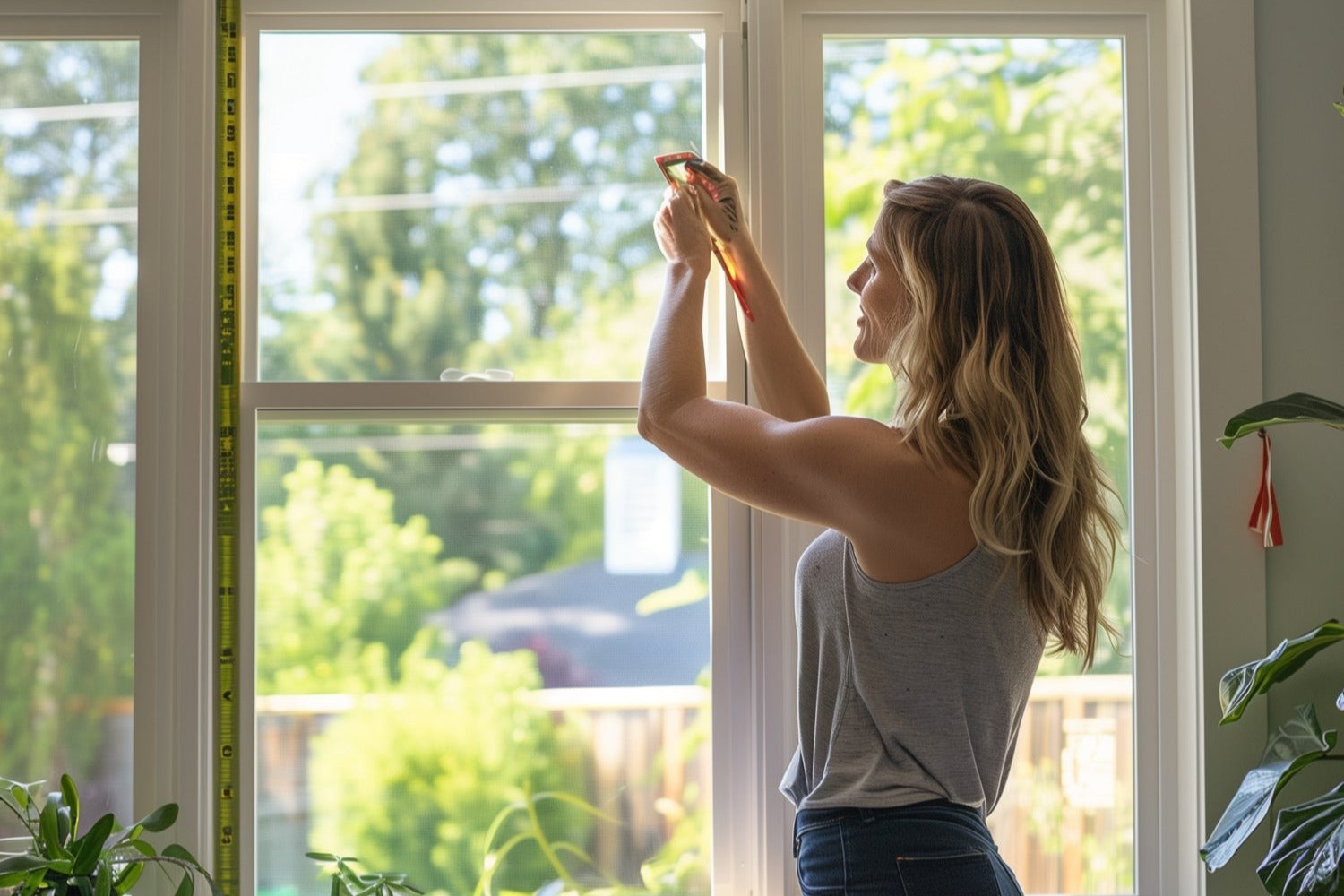
How to Measure Curtains for Sliding Glass Doors
Width and length are especially important when ordering curtains for sliding glass doors. Long curtains can touch the floor or form a slight puddle, depending on the look you prefer. For a door that is used every day, however, curtains that stop about 0.5 inch above the floor are often more practical because they are less likely to be stepped on or dragged across the floor.
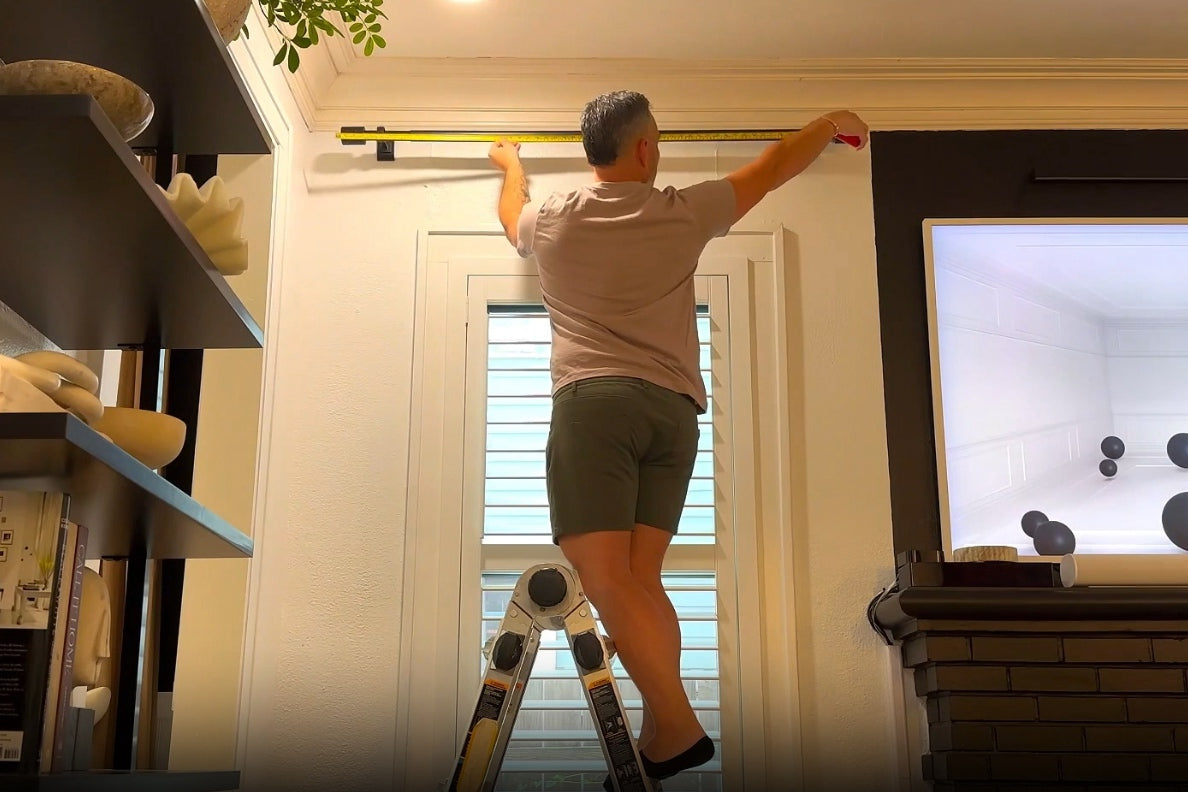
When closed, the curtains should cover the full usable width of the rod or track. Measure the finished hardware rather than relying only on the width of the glass or door frame.
Measure the Rod or Track Width
For an installed curtain rod, measure the usable rod width between the two finials. For a standard curtain track, measure the full length of the track.
When installing new hardware, allow the rod or track to extend beyond the sliding door where wall space permits. Extending it approximately 6 to 10 inches on each side is a useful starting point. This gives the open curtains somewhere to stack and helps keep more of the glass and main walkway visible.
For example, a sliding glass door may be 96 inches wide while the installed track measures 120 inches. In that case, use 120 inches as the basis for calculating the curtain width.
Calculate the Correct Curtain Width
The width calculation depends on whether the selected header has permanent pleats.
| Header type | Width calculation for each panel |
|---|---|
| Grommet, rod pocket, back tab, and other non-pleated headers | Rod or track width × desired fullness ÷ number of panels |
| French pleat, pinch pleat, tailored pleat, and other fixed pleats | Rod or track width ÷ number of panels, ordered as the finished pleated width |
Suppose the track is 120 inches wide and you want two grommet curtain panels with 2x fullness:
120 × 2 ÷ 2 = 120 inches per panel
Each panel would need a flat fabric width of 120 inches.
For two French pleat curtains, the pleats are formed during production. Each panel only needs to cover half of the track when closed:
120 ÷ 2 = 60 inches per panel
In this example, each French pleat panel should have a finished pleated width of 60 inches. Do not add the fullness a second time when ordering a fixed pleat header.
After taking your measurements, use the IXACurtians Measurement Finder to check the recommended size for each panel.
Measure the Curtain Length
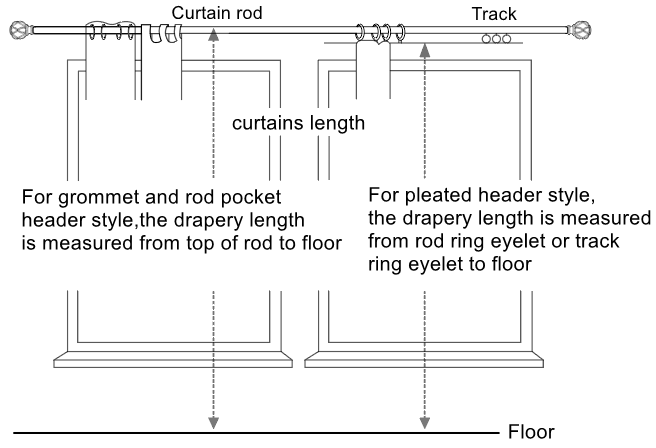
For grommet, rod pocket, and back tab curtains, measure from the top of the curtain rod to the floor.
For French pleat, pinch pleat, and tailored pleat curtains, measure from the eyelet of the curtain ring or track carrier, where the hook will be attached, down to the floor.
For a patio or backyard door that serves as a main entrance, a clearance of about 0.5 inch above the floor is usually the most practical option. Curtains that just touch the floor also create a clean, finished look. A slight puddle is better suited to decorative curtains that are moved less frequently.
Before ordering, measure the height at the left side, center, and right side of the track. This helps reveal any difference in the floor level or hardware installation.
How Many Curtain Panels Do You Need?
Panel count depends on the opening direction of the sliding door, the wall space on each side, and where you want the curtains to stack. It does not determine fullness. Both single-panel and split-panel curtains can be made with full, well-defined folds.
A single curtain panel works well when the curtain can be drawn toward the fixed-glass side of the door. This keeps fabric away from the primary walkway. A very wide single panel will be heavier, so it needs a smooth, properly supported track.
Two curtain panels create a more balanced appearance and can stack on opposite sides of the door. Before choosing split panels, check that both sides have enough wall space and that neither panel will interfere with the door handle.
For an exceptionally wide opening, multiple panels can divide the total weight. They also require more individual movements whenever the curtains are opened or closed. Compared with several standard ready-made panels, one or two custom panels made to the correct width usually create a cleaner, more continuous look.
For a broader explanation, read How to Determine the Number of Panels for Curtains.
How Do I Hang Curtains Over a Sliding Glass Door?
The rod or track should be positioned high and wide enough to give the curtains room to move. A higher installation can make the sliding door and the room appear taller. Extending the hardware beyond the door frame provides space for the curtains to stack when open.
Before installing the hardware, check which side of the door opens and note the position of the handle and primary walkway. The curtains should stack on the fixed-glass side or sit neatly at both ends of the door rather than hanging in a frequently used entrance.
Sliding glass doors create a wide span, so the rod, track, and brackets must support the combined weight of the curtains, lining, rings, and other components. A long curtain rod may need a center bracket. Curtain tracks should be installed with the number and spacing of supports recommended for that hardware system.
If you need new hardware for the installation, explore IXACurtians curtain hardware.
Sliding Glass Door Curtain Ideas
In a bright living room, white, ivory, or light beige sheer curtains can soften direct sunlight without making the glass door feel heavy.
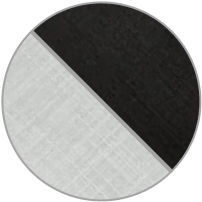
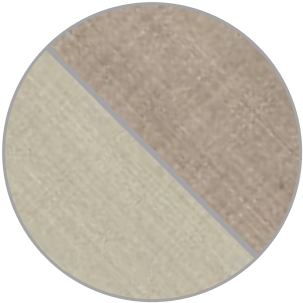
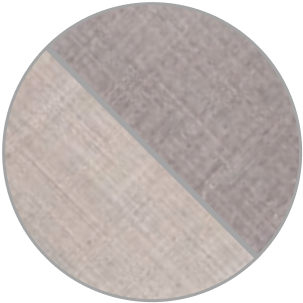
For a more natural room, consider oatmeal, warm beige, or soft gray linen-look curtains. Pinch pleat or tailored pleat headers help the panels form a neat stack on both sides when open.
A west-facing dining room, television area, or sunny living room may benefit from room darkening curtains that reduce afternoon glare without creating the appearance of a fully darkened room.
For a street-facing sliding door, bedroom patio door, or space that needs stronger evening privacy, blackout curtains are a practical choice. Add sheer curtain panels behind them when you want filtered daylight and greater flexibility.
Velvet pinch pleat drapes can bring more depth to a formal living room or primary bedroom. Their weight and drape help frame a large glass door, but velvet requires more stackback space and stronger hardware.
Common Measuring and Installation Mistakes
One of the most common mistakes is measuring only the glass door without including the sections of rod or track that extend beyond the frame. The finished curtains may cover the glass but still fall short of the full hardware width.
Ordering the curtains before deciding where the hardware will be installed can also cause problems. Moving the rod or track later may leave the finished curtains too short or resting heavily on the floor.
Other mistakes include overlooking the door’s opening direction, adding fullness twice to fixed pleat curtains, and hanging heavy curtains from hardware that cannot support their weight. A rod that is too narrow can also leave the open curtains covering part of the glass and walkway.
Personalization Is Key
The best curtains for sliding glass doors ultimately depend on your style and how the room is used. IXACurtians specializes in custom curtains, making it easier to find a combination that fits your door, hardware, privacy needs, and preferred appearance.
IXACurtians custom curtains can be made around the width of your rod or track, installation height, opening direction, single- or split-panel arrangement, fabric, header, and lining requirements.
Once the hardware position has been confirmed, use the Measurement Finder to check your dimensions before choosing the fabric and finishing details.
FAQs
Should sliding glass door curtains touch the floor?
They can just touch the floor. For a sliding door that is used every day, leaving approximately 0.5 inch of clearance is usually more practical and helps reduce stepping, dragging, and wear along the hem.
How far should a curtain rod extend past a sliding glass door?
Where wall space allows, extending the rod or track approximately 6 to 10 inches beyond each side of the door is a useful starting point. Thick curtains may need additional stackback space, so the final extension should reflect the fabric and available wall area.
Is one curtain panel enough for a sliding glass door?
Yes. A single custom panel can work as long as it covers the entire usable width of the rod or track. It is particularly practical when the panel can stack on the fixed-glass side of the door.
Can blackout curtains be used on sliding glass doors?
Yes. Blackout curtains are useful for west-facing, street-facing, or privacy-sensitive sliding doors. Because they are generally heavier, they need properly rated hardware and enough space to stack when open.