




Curtains are not only an essential element of home décor but also a key factor affecting living comfort. With so many options on the market, how do you choose the right curtains for your home? This guide walks you through the 5 most important factors for selecting curtains in 2026.
1. Choose Curtains Based on Room Function
Different rooms have different requirements:
🛏️ Bedroom Curtains
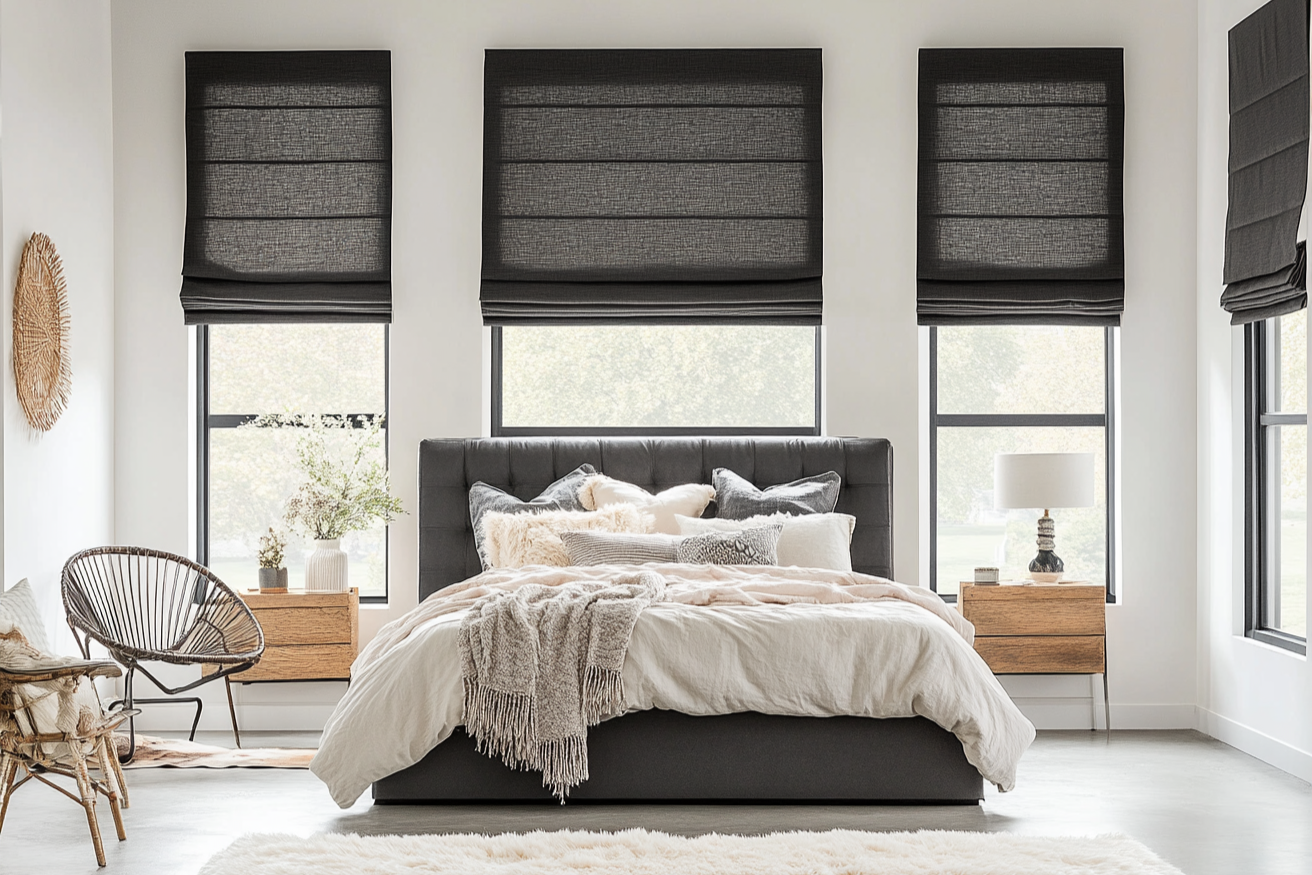
Light Blocking: Choose fabrics with 85%+ blackout rate
Recommended Materials: High-density blackout fabric, chenille, velvet
Color Tips: Warm tones help create a cozy sleep environment

🛋️ Living Room Curtains
Light Blocking: 50%–70% is sufficient
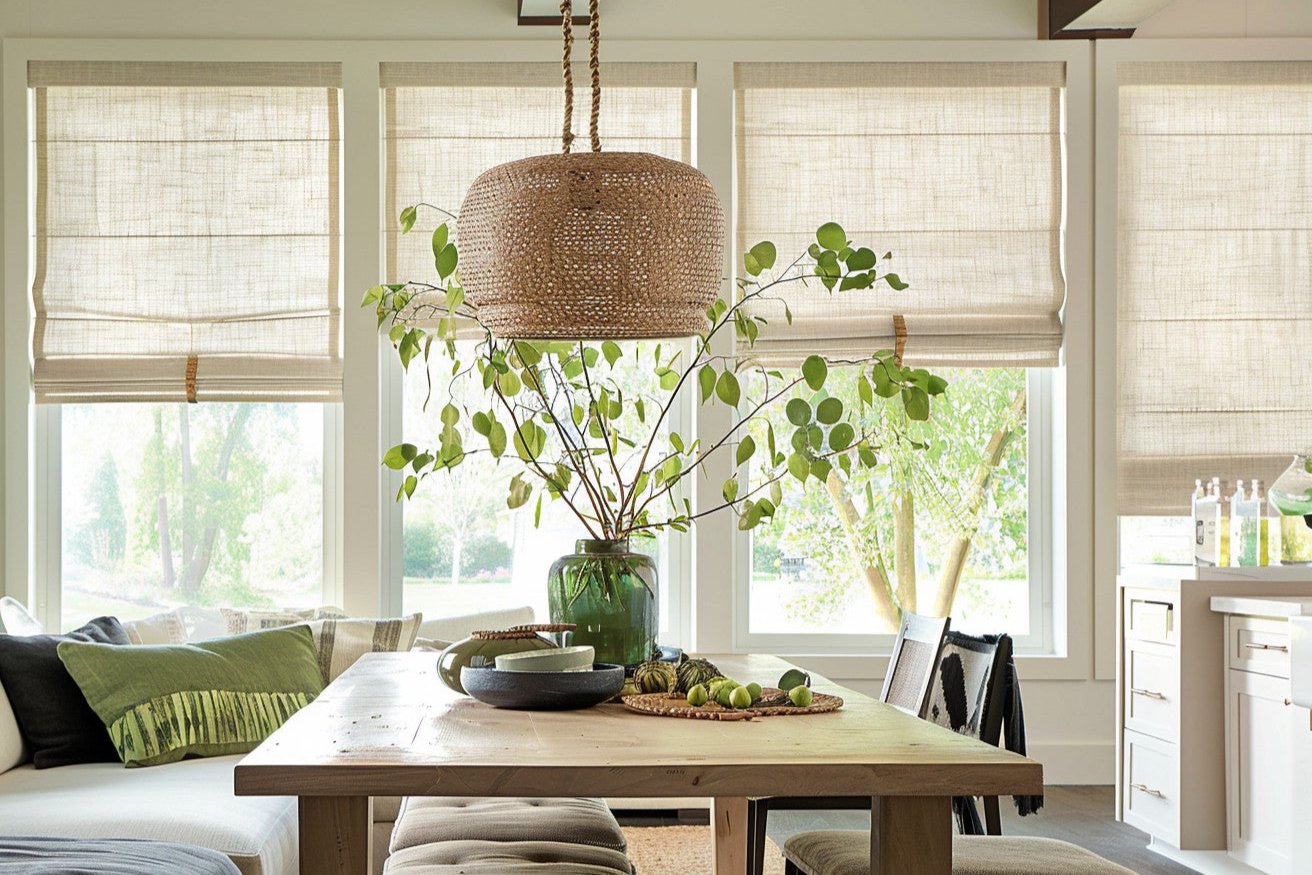
Recommended Materials: Linen, cotton-linen blends, high-density fabrics
Color Tips: Coordinate with sofa and wall colors

🍳 Kitchen & Bathroom Curtains
Special Requirements: წყალproof, oil-resistant, easy to clean
Recommended Materials: Polyester, blinds, roller shades
Installation Tip: Avoid overly long curtains for easier maintenance

2. Curtain Material Comparison
| Material | Pros | Cons | Best For |
|---|---|---|---|
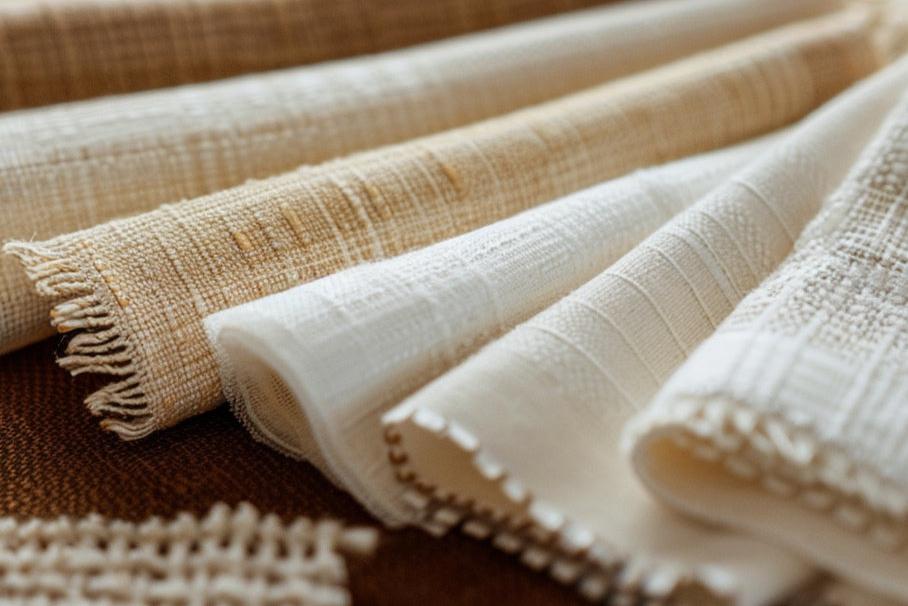
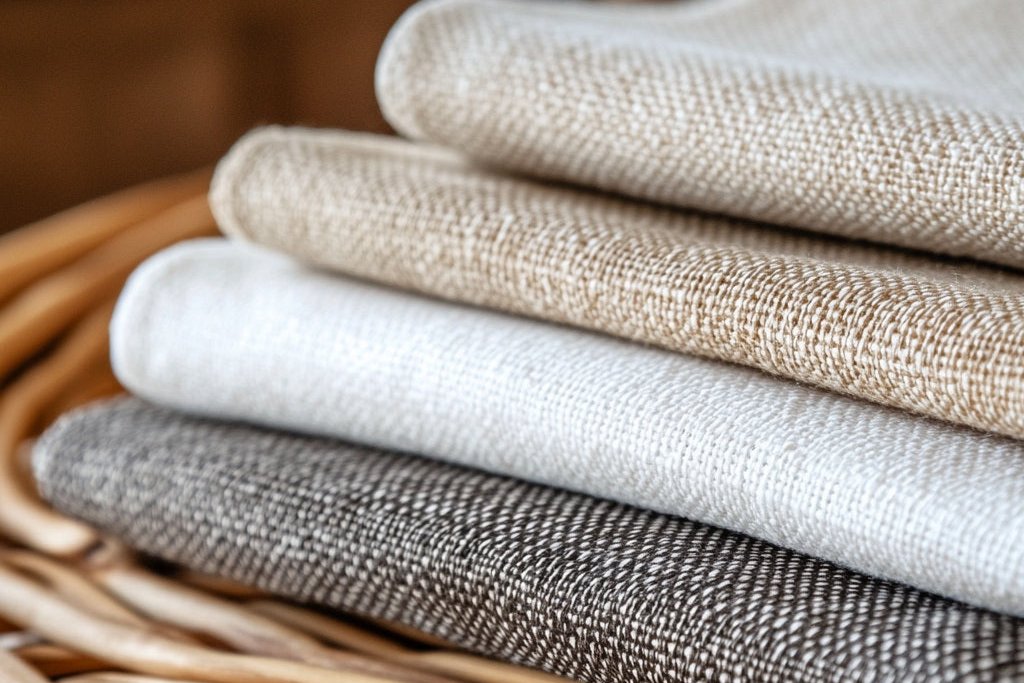
| Cotton & Linen | Breathable, natural texture | Wrinkles easily, needs care | Living room, study |
| Chenille | Good drape, excellent blackout | Higher price | Bedroom, master room |
| High-density | Durable, easy to maintain | Slightly stiff texture | Whole house |
| Velvet | Luxurious, warm | Attracts dust, harder to clean | Bedroom, media room |
| Linen | Natural, eco-friendly | Limited blackout | Living room, balcony |
3. Curtain Color Matching Principles
3.1 Match with Wall Colors
- Light walls: Choose curtains 1–2 shades darker for depth
- Dark walls: Use lighter curtains to balance the space
- Neutral walls: Versatile—match with furniture colors

3.2 Coordinate with Furniture
- Match curtains with sofas, bedding, or rugs
- Monochromatic schemes feel more elegant
- Contrasting colors add energy to the space

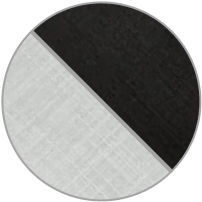
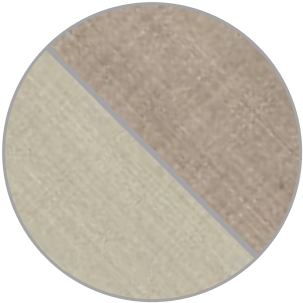
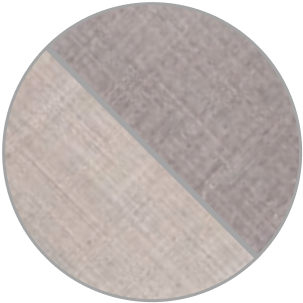
3.3 Trending Colors for 2026
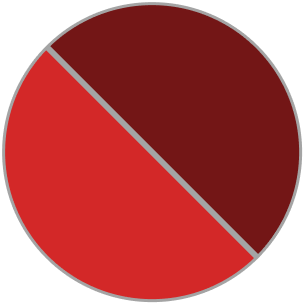
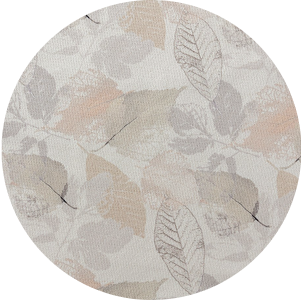
🎨 Cream Apricot — warm and versatile
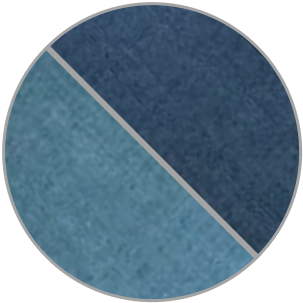
🎨 Misty Blue — fresh and elegant
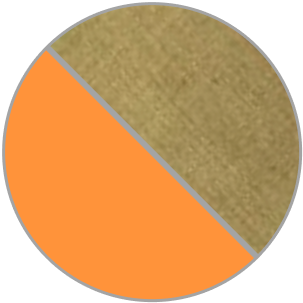
🎨 Olive Green — natural and refined
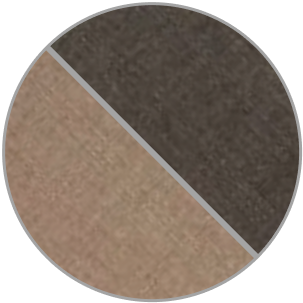
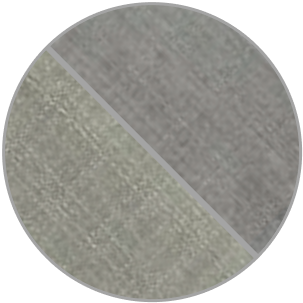
🎨 Warm Gray — timeless and classic

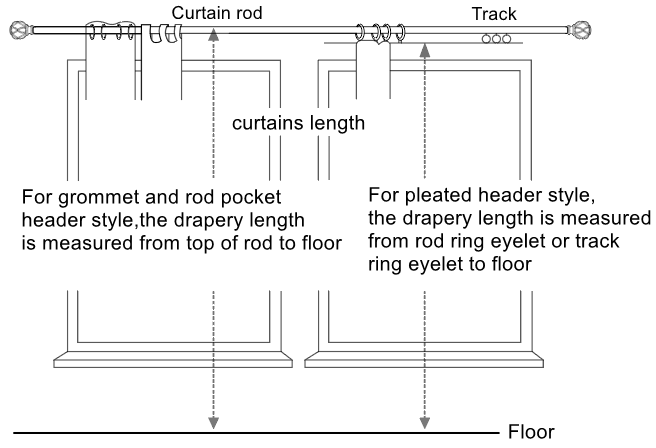
4. Curtain Measurement Guide
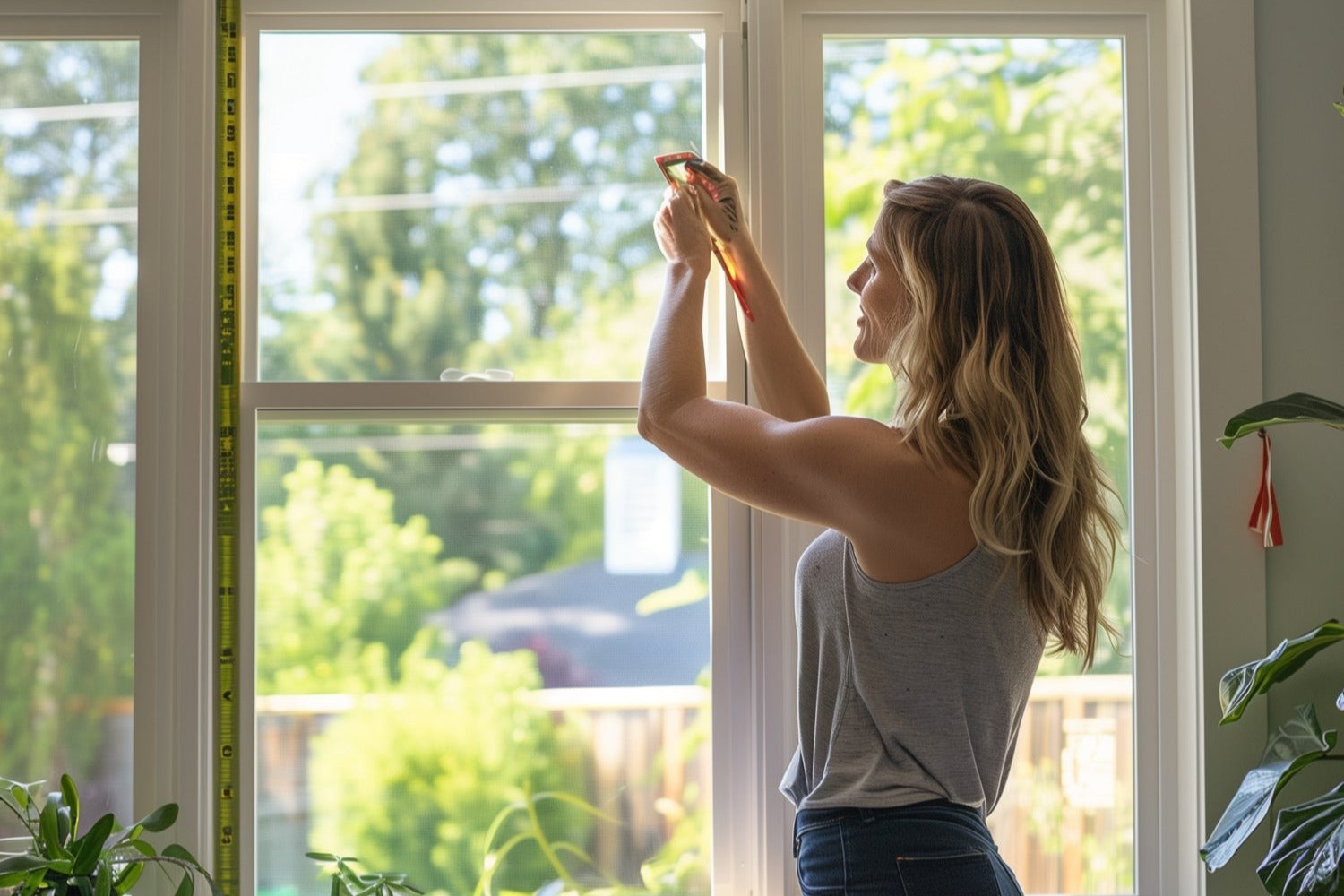
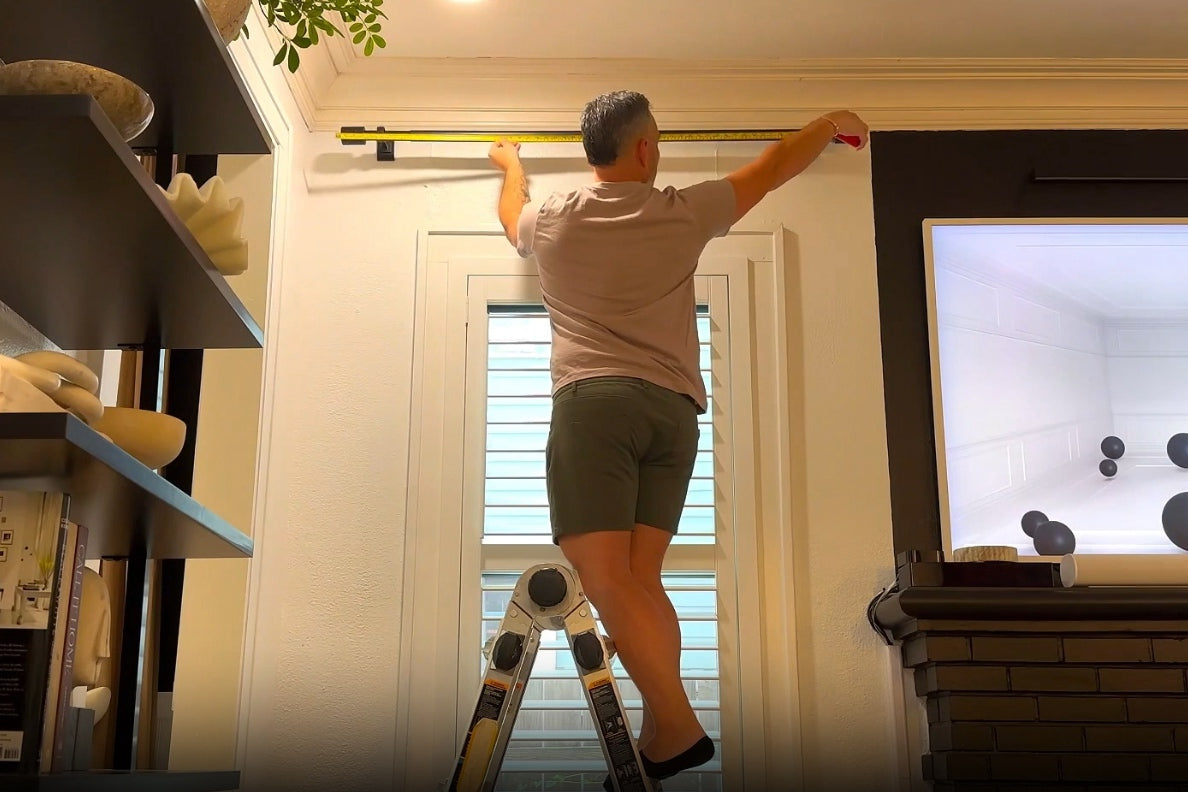
Accurate measurement is key to a polished look:
Width Measurement
- Measure the total length of the curtain rod or track
- Curtain width = track length × 2 (recommended fullness)-Pleated header curtains come with 2× fullness by default—no extra width calculation needed
- Minimum fullness: 1.5×
Height Measurement
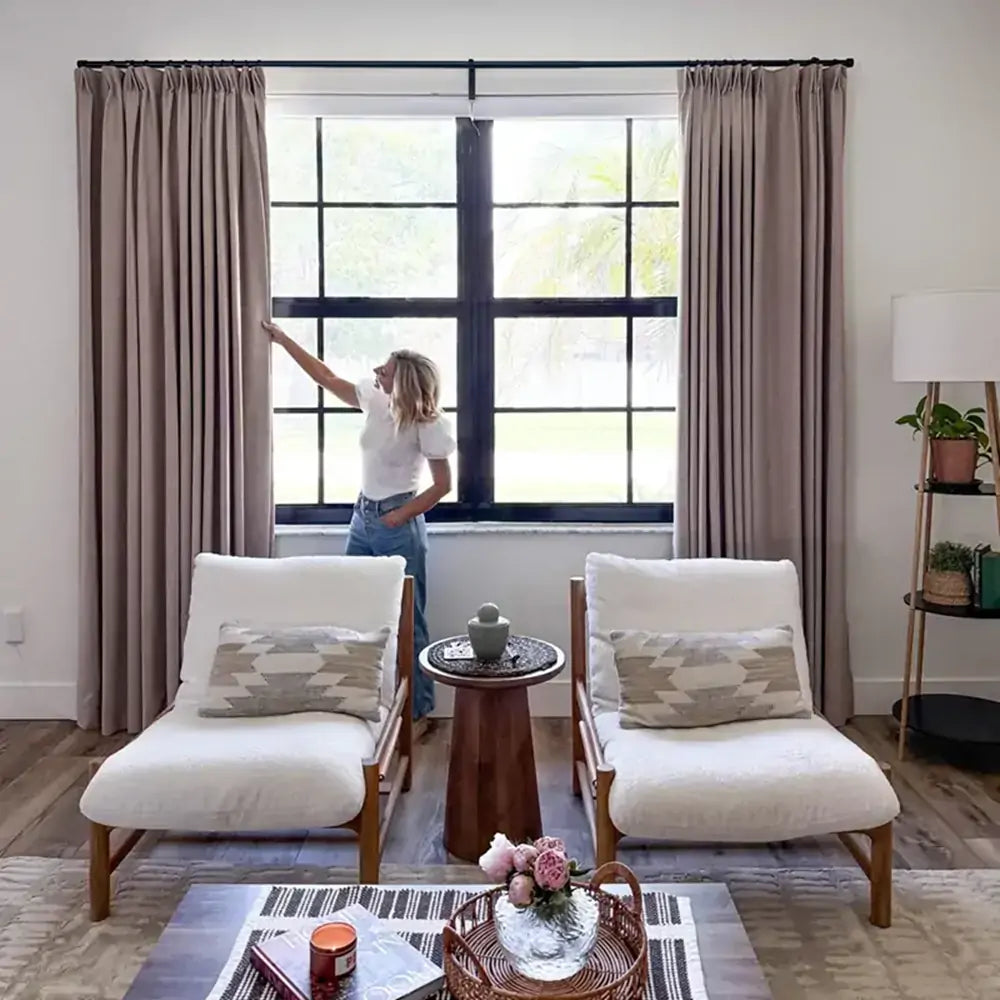
- Floor-length: 0.5–1 cm above the floor
- Bay window: 0.5–1 cm above the sill
- Half-length: Based on the bottom edge of the window
💡 Pro Tip: Measure top, middle, and bottom widths—use the smallest value
5. Functional Curtain Trends
5.1 Energy-Efficient Curtains
- Insulate heat and reduce AC energy consumption
- Keep warm in winter, cool in summer
- Eco-friendly materials, no formaldehyde
5.2 UV Protection Curtains
- Block over 90% of UV rays
- Protect furniture and flooring from fading
- Ideal for sun-exposed rooms
FAQ
Q1: How often should curtains be cleaned?
A: Every 3–6 months is recommended. In dusty environments, every 2–3 months.
Q2: When should I measure curtains for a new home?
A: After hard renovation is completed and before furniture is installed.
Q3: How long does custom curtain production take?
A: Typically 7–15 days, depending on fabric and craftsmanship.
Q4: What is the ideal curtain fullness ratio?
A: 2× fullness is recommended; minimum 1.5× for a better look.
Final Thoughts
Choosing the right curtains involves multiple factors—from room function and material to color coordination and precise measurements. Each step plays a crucial role in the final result. We hope these 5 key factors help you make a confident decision.
ixacurtains specializes in high-quality custom curtains, offering one-stop services including professional measurement tool, design, and installation. If you have any questions, feel free to contact us anytime!