

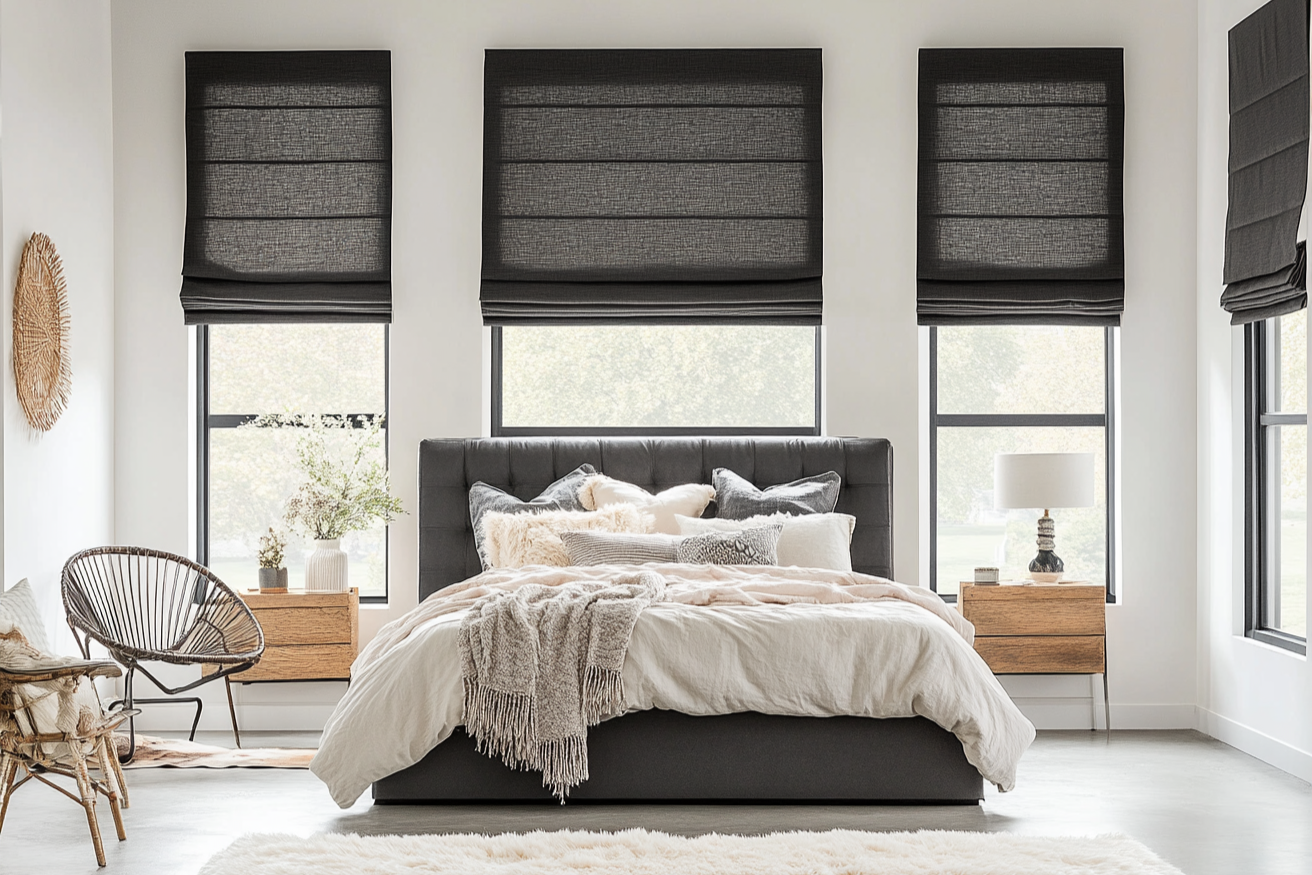


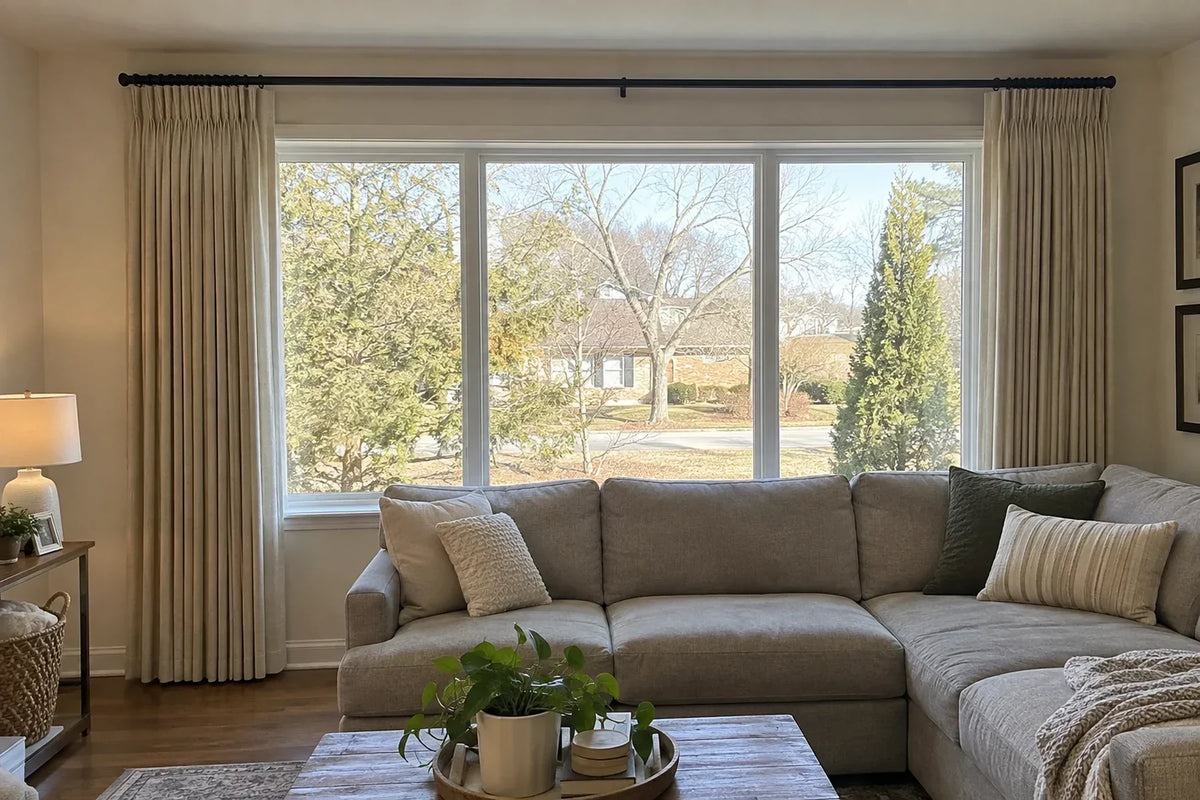
When choosing curtains, most people carefully calculate length and width but overlook how much wall space the panels will occupy when open. The curtains may fit perfectly when closed, yet still cover part of the glass when pulled back. This can make the window look narrower and reduce the amount of natural light entering the room.
The width of the folded fabric at one or both sides of an open window is called curtain stackback. Planning for stackback helps you determine how long the curtain rod or track should be, where the panels should open, and whether there is enough wall space beside the window.
Curtain stackback is the amount of rod or track space occupied by fully open curtains. For an initial estimate, multiply the finished width of each panel by the stackback ratio for its header style. For a split-draw curtain, calculate the left and right panels separately, then add the total stackback to the clear window width. Fabric weight, lining, fullness, hardware, and draw direction can all change the final measurement.
What Is Curtain Stackback?
Stackback is the width of the folded fabric when a curtain is fully open and gathered along one side of a rod or track. Split-draw curtains stack on both sides of the window, while a one-way-draw curtain gathers entirely on one side.
Stackback is not the same as curtain fullness. Fullness describes how much fabric is used to cover a given width. Stackback describes how much horizontal space that fabric occupies when open. The two are related, but they are not interchangeable.
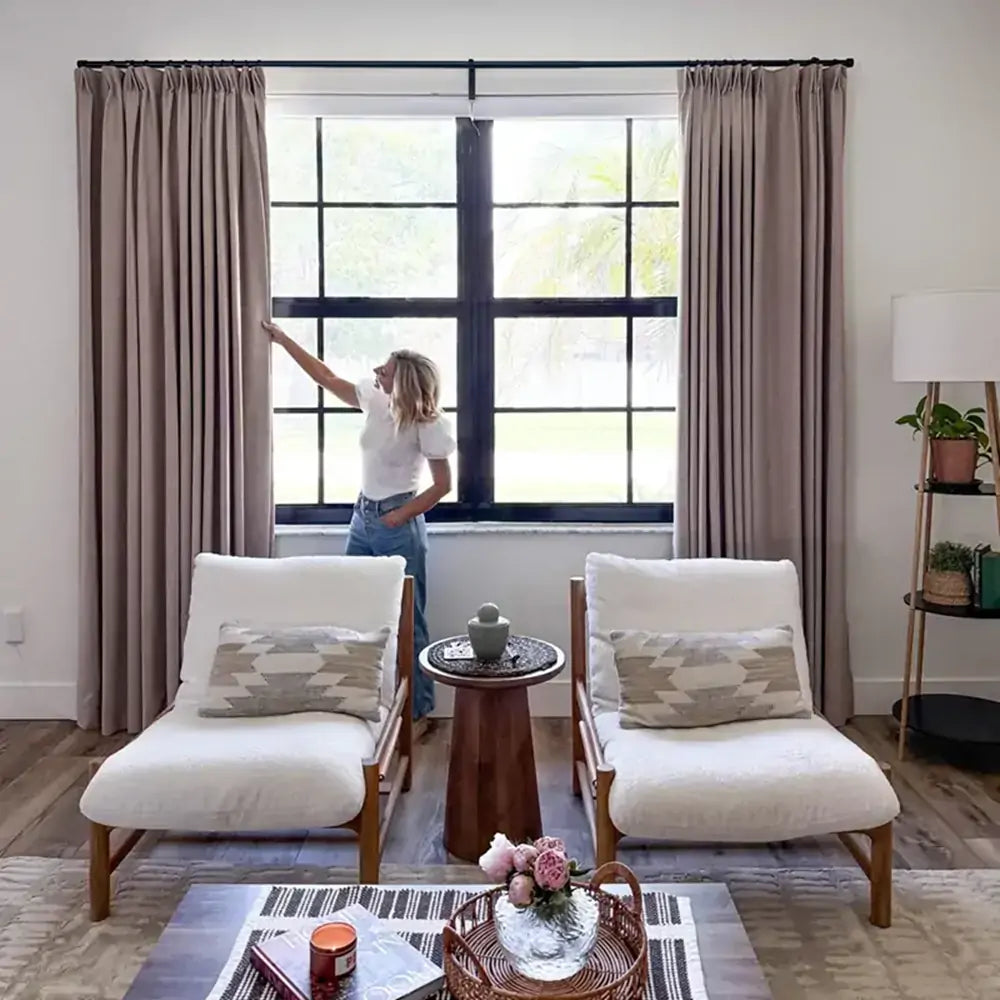
When a curtain rod extends only a few inches beyond the window frame, some of the open curtain will usually remain in front of the glass. Extending the rod or track farther onto the wall allows more fabric to park beside the window instead.

How to Calculate Stack Back on Drapes
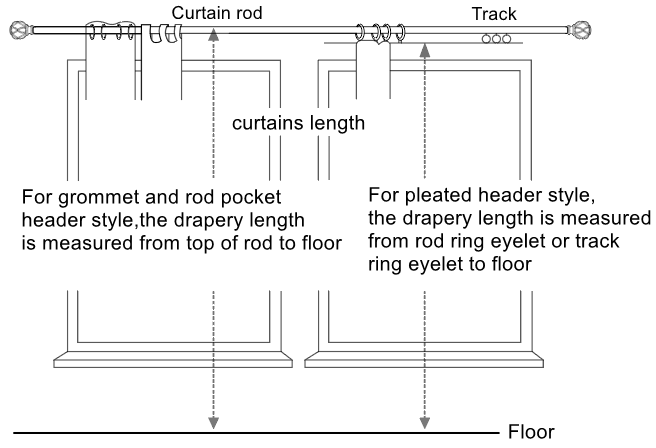
Begin with the finished width of each curtain panel and its header style. Different headers form different folds, so two panels with the same finished width may not compress into the same amount of space.
Use these formulas for an initial estimate:
Stackback per panel = finished panel width × estimated stackback ratio
For split-draw curtains:
Total stackback = left-panel stackback + right-panel stackback
To keep most of the open curtains off the glass:
Usable rod or track length = clear window width + left stackback + right stackback
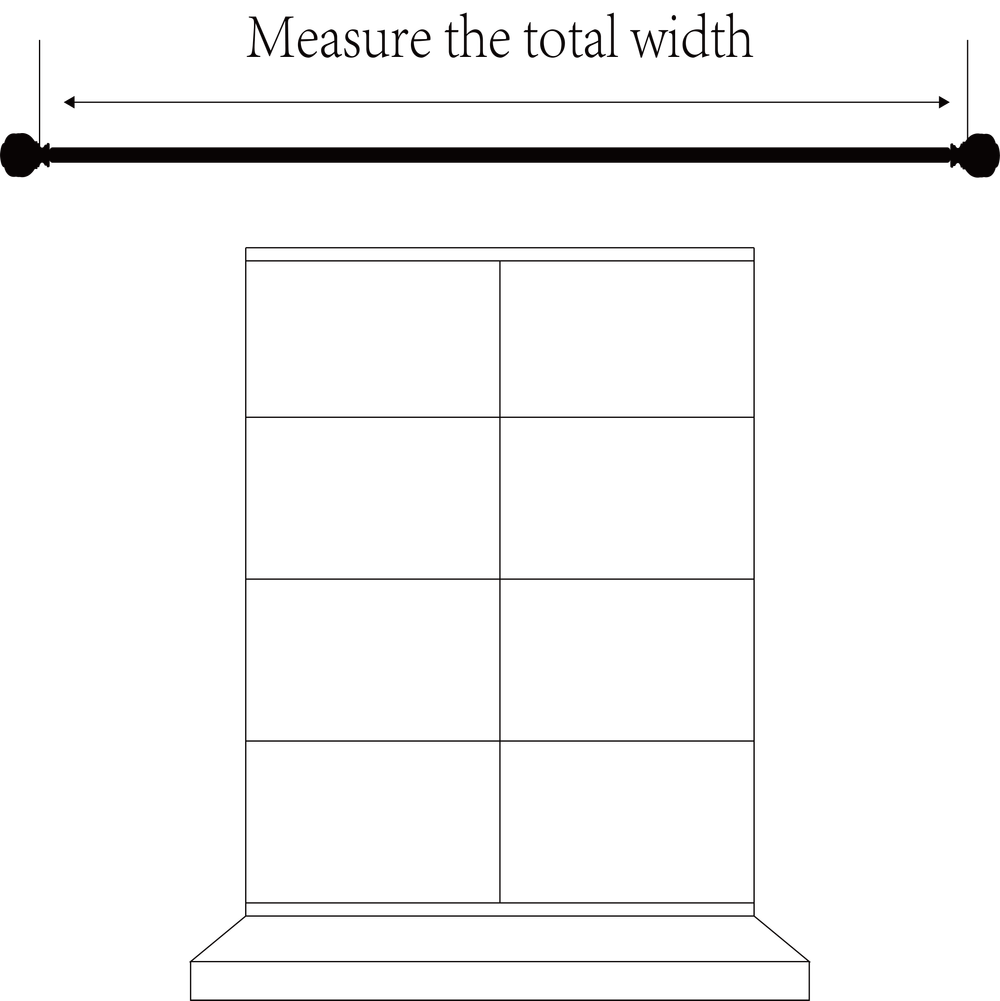
For a decorative rod, measure only the usable section between the finials.
Stackback Ratios by Curtain Header Style
The following ratios can be used for preliminary planning:
| Header style | Stackback width ÷ panel width |
|---|---|
| Grommet | 8–15% |
| Rod pocket | 12–20% |
| Pinch pleat (French pleat) / tailored pleat | 20–25% |
| Back tab / tab top | About 20% |
| Flat panel | 15–20% |
| Ripple fold | 25–30% |
These are planning estimates, not guaranteed finished measurements. Fabric thickness, lining, fullness, curtain rings, brackets, and manufacturing details can all affect the result.
For pinch pleat, French pleat, or tailored pleat curtains, calculate from the finished pleated width, which is generally the width selected when ordering. Do not calculate from the fabric width before the pleats are made.
Stackback Calculation Example
For a 72-inch window with two 48-inch finished-width pinch pleat panels:
- Stackback per panel: 48 × 20–25% = 9.6–12 inches
- Total stackback: 19.2–24 inches
- Rod or track length: 72 + 19.2–24 = 91.2–96 inches
A usable rod or track length of approximately 92–96 inches would be a reasonable starting point. An unlined sheer may stack slightly narrower.
Why Stackback Matters
Stackback affects how much glass remains visible when the curtains are open. Without enough space, fabric continues to cover both sides of the window even when the panels are pulled back. This is especially noticeable in smaller rooms, on windows with limited daylight, and around frequently used sliding glass doors.
It also changes the proportions of the room. Neat, substantial curtain stacks positioned beside the window can make the opening look wider and more complete. When the rod is too short, the fabric becomes crowded inside the window area and the entire treatment can feel cramped.
For sliding doors, stackback also affects daily use. Open curtains should not block the primary walkway, door handle, or moving door panel.
How Much Wall Space Do Open Curtains Need?
For a standard bedroom or living room window, allowing approximately 6–12 inches on each side is a useful starting point. Lightweight curtains on a narrow window may need less. Thick, lined, or extra-wide curtains may need more than 12 inches per side.
| Window and curtain type | Initial stackback planning |
|---|---|
| Standard window with lightweight, unlined curtains | Start with approximately 6–8 inches per side |
| Standard window with linen-look or lined curtains | Allow approximately 8–12 inches per side |
| Velvet, blackout, or layered curtains | Calculate according to finished width and fabric thickness |
| Wide window or sliding glass door | Calculate from the full track, draw direction, and panel count |
| One-way-draw curtain | Reserve most or all stackback space on the side where the curtain will park |
These measurements are only a starting point. Wider panels, thicker fabrics, and additional lining generally require more room when open.

What Affects Curtain Stackback?
No single stackback ratio works for every curtain. Several details influence how much space the finished panels need.
Header style. Pinch pleat and tailored pleat headers have permanent folds, which generally makes the stack more orderly and easier to estimate. Grommet, back tab, and rod pocket curtains create different fold sizes, and some styles do not compress or travel easily across a long rod. Ripple fold curtains maintain a continuous wave and must also be planned around the carrier spacing. See the IXACurtians Curtain Header Guide for compatible hardware and hanging options.
Fabric and lining. Lightweight sheers compress more easily than substantial velvet. Blackout lining, privacy lining, and layered window treatments add thickness and usually increase stackback. Compare lining options in the IXACurtians Lining Guide.
Curtain fullness. More fullness places more fabric on the rod or track, which usually creates a larger stack when open. Ordering-width calculations also differ by header style. The IXACurtians Curtain Fullness Guide explains how these measurements work.
Hardware. Ring diameter, track-carrier spacing, bracket position, and double-rod or double-track systems can all affect where the curtain travels and parks. Measure the usable rod or track length rather than including decorative finials.
Draw direction. A split draw divides the fabric between both sides of the window. A one-way draw places the full stack on one side. The total fabric may be similar, but the wall-space requirements are very different.
One-Way Draw or Split Draw?
A split draw works well for a standard window with usable wall space on both sides. It creates a balanced appearance and divides the total stackback between the left and right sides.
A one-way draw is often more practical for sliding glass doors, windows near a corner, or openings with usable wall space on only one side. If a sliding door is used from the right, for example, the curtain can park on the left near the fixed glass panel rather than blocking the walkway.
Look at how the window or door is used every day before choosing a draw direction. A one-way treatment may be less symmetrical, but it can make the room considerably easier to use.

How to Measure for Curtain Stackback
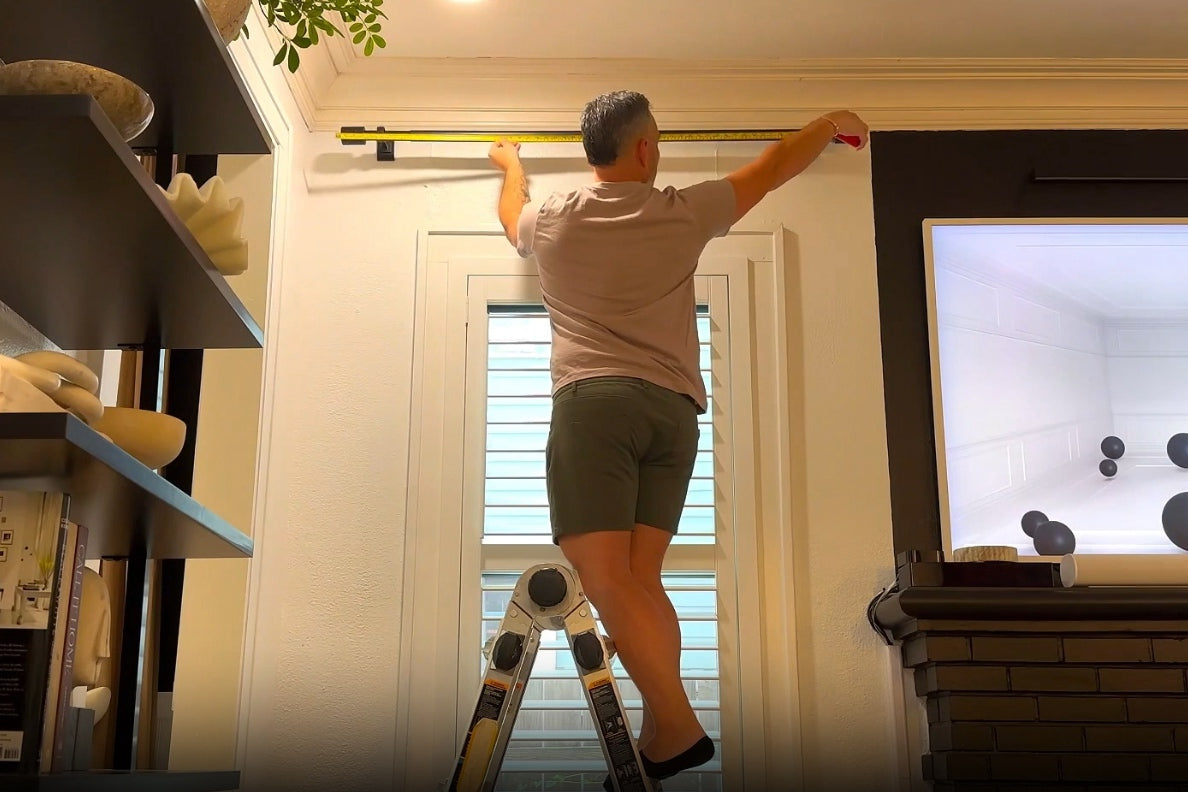
Before purchasing a curtain rod or track:
- Measure the clear width of the glass or window frame.
- Measure the usable wall space on both sides.
- Decide between a split draw and a one-way draw.
- Choose the fabric, lining, and header style.
- Decide whether the open curtains should clear the glass completely or may overlap it slightly.
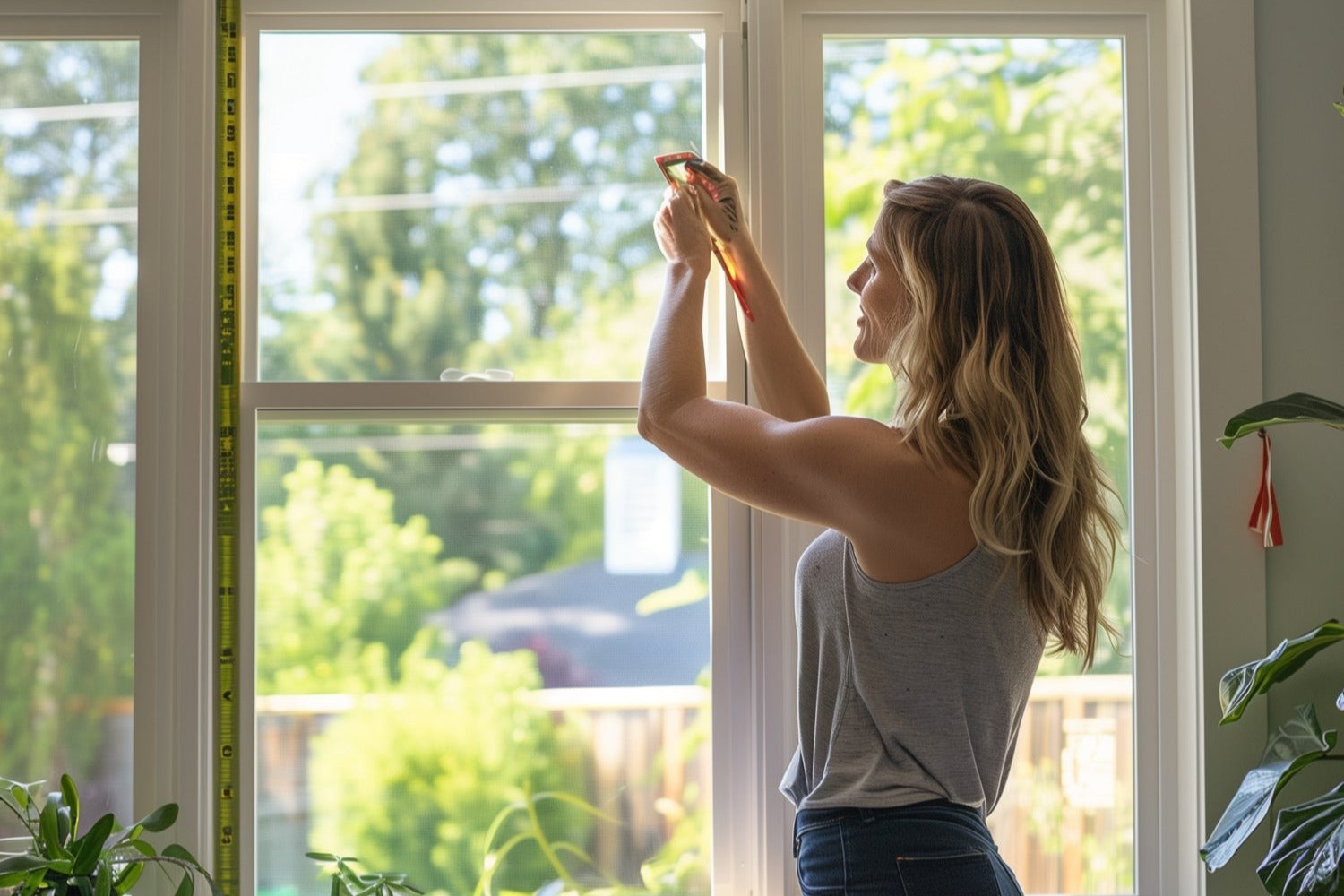
If the hardware is already installed, measure the usable rod between the finials or the full working length of the track. Do not order curtains from the glass width alone.
Use the IXACurtians Measurement Guide or Measurement Finder to check your ordering dimensions. If the existing rod or track does not provide enough stackback space, explore Curtain Hardware before finalizing the curtain size.
What If There Is Not Enough Wall Space?
A window near a corner, cabinet, wall sconce, or neighboring window may not have enough room for the curtains to clear the glass completely. In that situation, you can allow a small amount of overlap or change the draw direction.
If one side has substantially more wall space, consider a one-way draw and park most of the fabric on that side. For a sliding glass door, the stack should generally sit beside the fixed glass panel rather than in front of the handle or main passage.
Lighter fabrics and simpler header structures often compress more easily, but do not make the curtains too narrow simply to reduce stackback. Panels that lack enough width can lose their natural folds when closed and may leave privacy or light gaps.
For a wall of windows or a sliding door with limited side clearance, a track often provides smoother movement than several connected telescoping rods. The final hardware choice must still account for the wall structure, curtain weight, and system load rating.

Plan the Open and Closed Look Together
Curtains need to cover the window properly when closed, but they also need to sit comfortably beside the glass when open. Planning only for the closed width is one of the most common omissions in custom-curtain measurement.
IXACurtians custom curtains can be made according to the usable rod or track length, header style, fabric, lining, and draw direction. Confirming these details before ordering produces a window treatment that looks considered in both its open and closed positions.
FAQs
How do you calculate stack back on drapes?
Multiply the finished width of each panel by the estimated stackback ratio for its header style. For split-draw curtains, add the left and right results together. To keep the curtains mostly off the glass, add the total stackback to the clear window width for an initial rod or track length.
Is curtain stackback the same as fullness?
No. Fullness is the relationship between the amount of fabric and the width it covers. Stackback is the horizontal space the fabric occupies when fully open. More fullness often increases stackback, but the two measurements are not the same.
How far should a curtain rod extend past the window?
Extending the rod approximately 6–12 inches past each side is a practical starting point for many standard windows. Thick, lined, or extra-wide curtains may require more. The final extension should be based on the calculated stackback and available wall space.
Do blackout curtains need more stackback?
Usually. Blackout curtains are generally thicker than lightweight, unlined panels and may not compress into the same amount of space. The exact difference depends on the face fabric, lining, header, fullness, and panel width.