




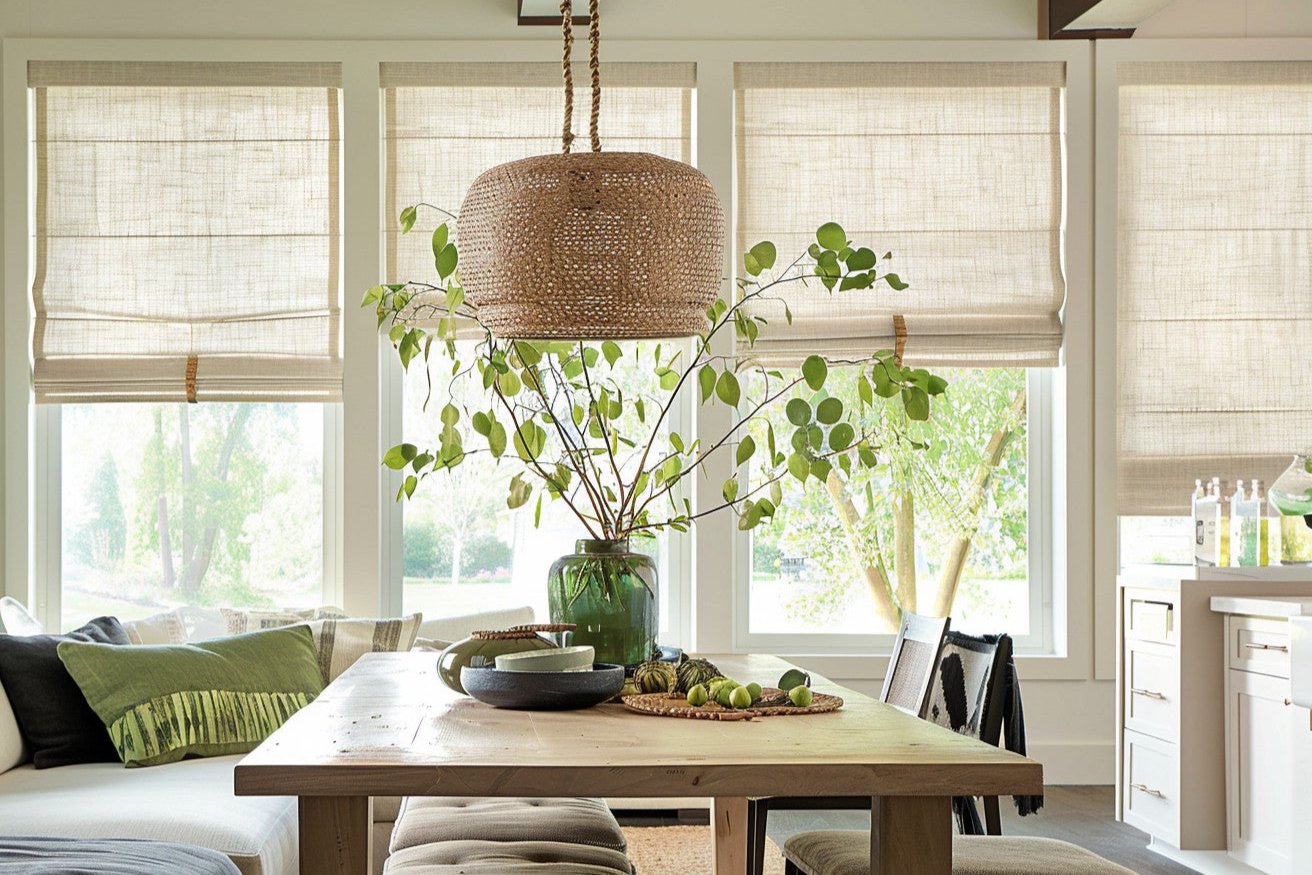
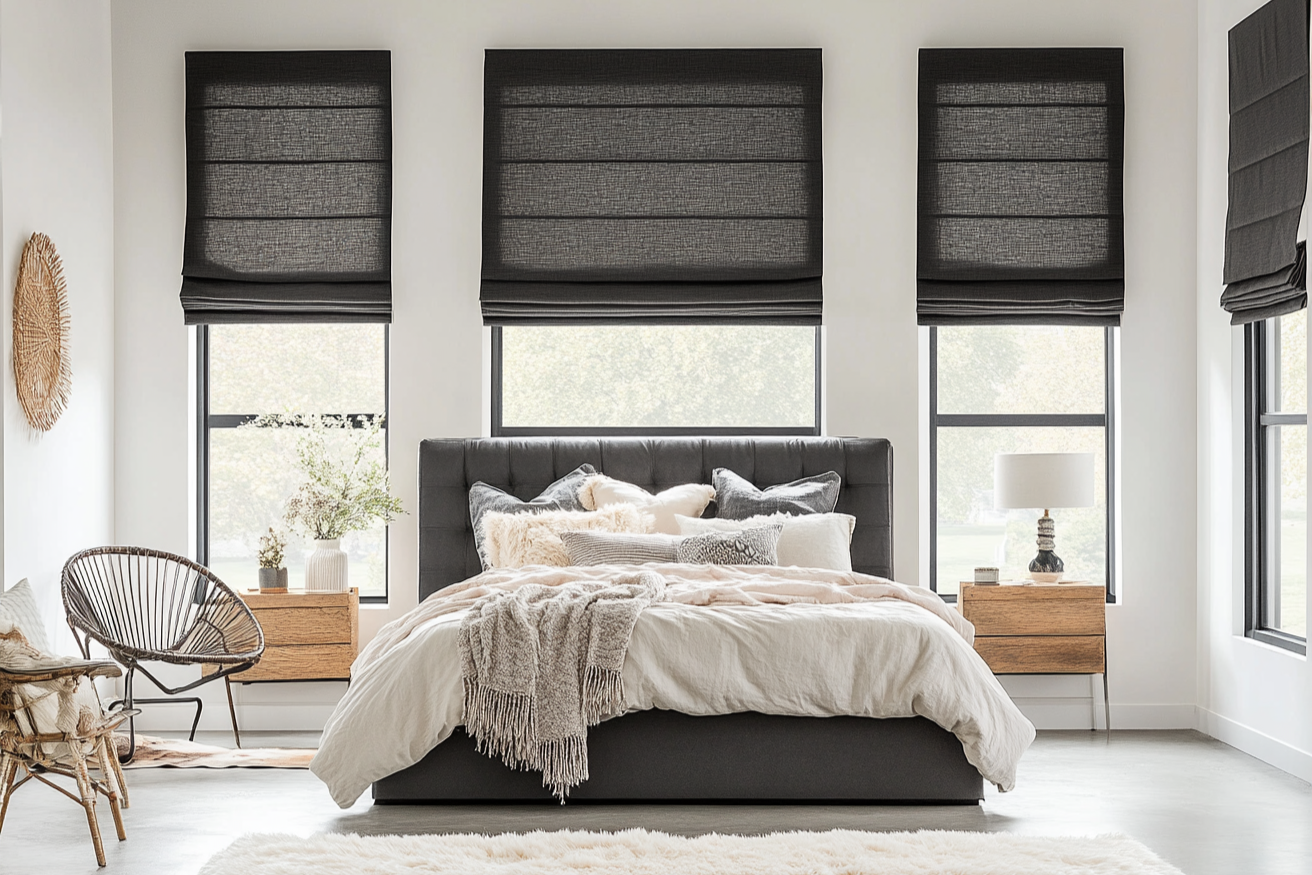
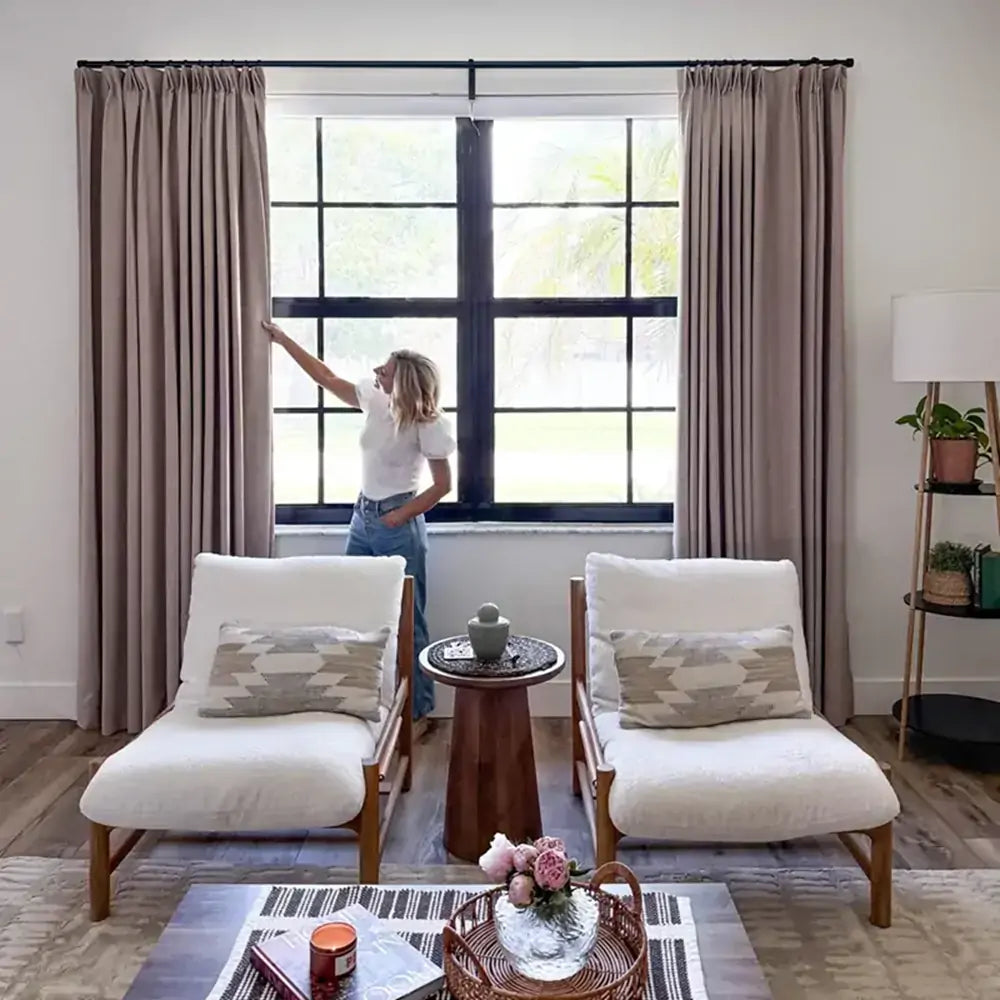


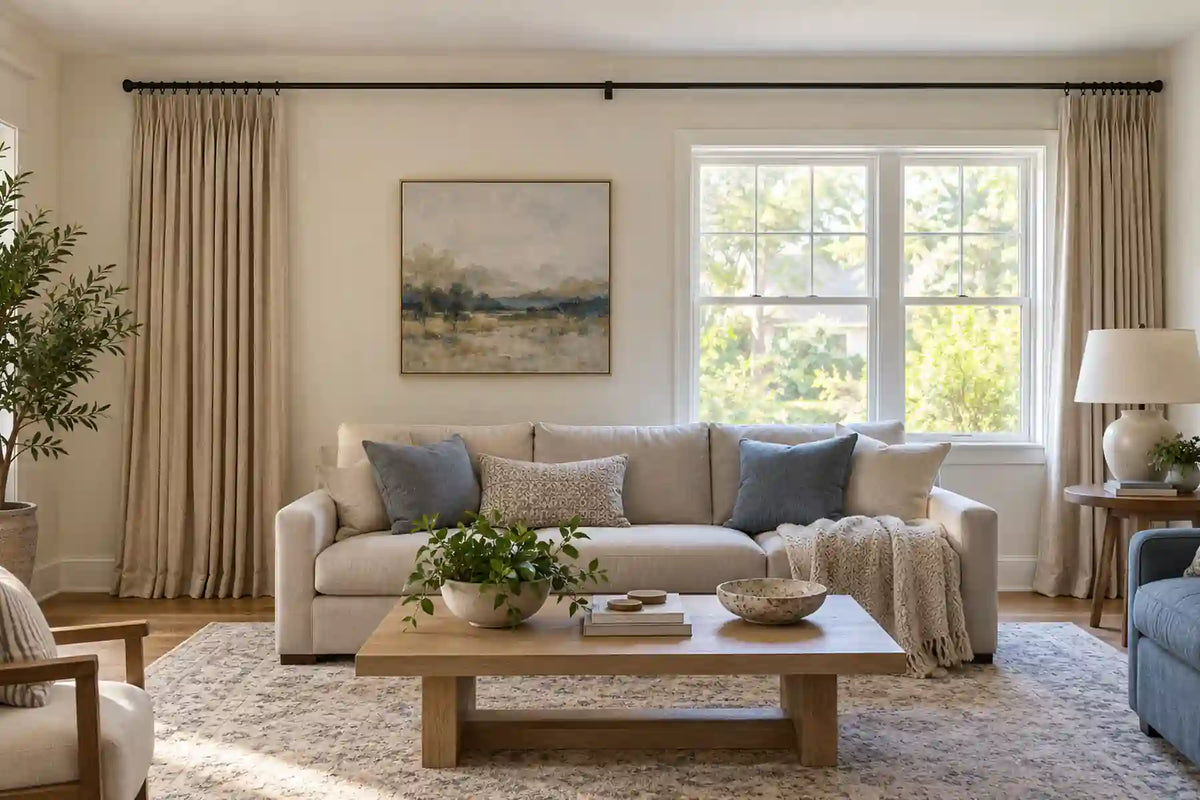
Off-center windows are common in homes. A window may sit closer to one side to make room for a chimney, cabinets, stairs, or a particular floor plan. Nearby doorways and furniture can also make a wall feel visually uneven.
Curtains can help improve the proportions, but simply extending the rod is not always enough. Consider the window’s position, the available wall space on each side, where the curtains will stack when open, and how the window relates to nearby furniture and doors. With a little planning, curtains can make the whole wall feel more balanced. If they are installed symmetrically around the window without considering the rest of the wall, they may draw even more attention to its off-center position.
Should Curtains Be Centered on the Window or the Wall?
There is no single rule for every room. A curtain rod can be centered over the window or shifted to suit the layout of the entire wall. Before deciding, look at the wall from the room’s entrance or main seating area. Does your eye focus on the window, or on the overall arrangement of the wall and furniture?
If there is more open wall on one side of the window, you can extend the rod farther in that direction and let the open curtain occupy some of that space. This can help the window feel less isolated and connect it visually to the surrounding wall and furniture.
If the window is close to a corner, doorway, or built-in cabinet, centering the rod on the entire wall may cause a curtain to block a door handle, light switch, or walkway. In that case, keeping the treatment aligned with the window is often more practical than forcing perfect wall symmetry.
How to Make an Off-Center Window Look Balanced
Extend the Rod Toward the Open Wall
When there is more open wall on one side of the window, consider extending the rod farther in that direction. The curtain can then stack against the open wall when drawn back. This leaves more glass visible and creates a more comfortable balance between the window and the surrounding space.
The amount of extension depends on the fabric weight, panel width, and header style. Thick or lined curtains need more stackback space; without enough room, they will still cover part of the glass when open. Review the IXACurtians Curtain Fullness Guide, then plan the rod length around your window and finished panel width.
Center the Treatment on the Wall When the Layout Allows
If the wall is a focal point and there is enough room on both sides, you may be able to center the overall curtain treatment closer to the middle of the wall. The rod does not have to line up exactly with the window frame, but make sure both panels have room to stack when open.
This approach can work well when a long sofa, bed, or console sits below the window. Treating the curtains, furniture, and wall decor as one composition can feel more balanced than focusing only on the window’s position.
Use a One-Way Draw When One Side Is Tight
If the window is close to a corner or doorway on one side, both curtain panels can draw toward the side with more room. The resulting stack will be asymmetrical, but the curtains may be easier to use and less likely to block a walkway.
If you need to close the curtains regularly for privacy or light control, make sure the panels can cover the full window and still have enough width for natural folds. A very wide single panel can also be heavy, so choose a track and brackets rated for the curtain’s weight.

Click image to shop the same look
Balance the Window With Nearby Furniture
Curtains do not have to correct the window’s position on their own. A headboard, sofa, console, floor lamp, or larger piece of art can also help balance the wall.
For example, if the window sits left of center and there is more open wall on the right, a wider sofa or low console may help balance the composition. The curtains can soften the transition between the window frame and the wall. Avoid placing the rod somewhere that makes the curtains difficult to open or interferes with furniture just to make the window appear centered.

Click image to shop the same look
How to Plan Curtain Panels and Stackback
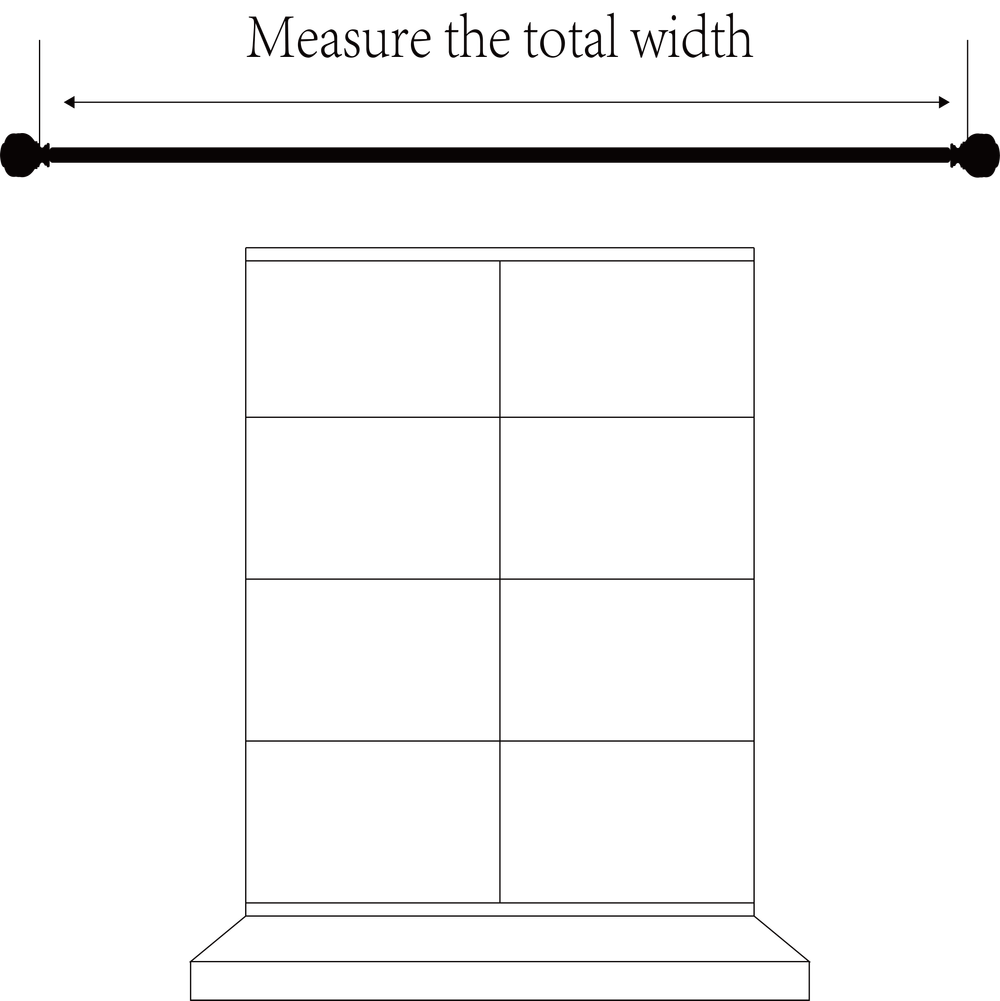
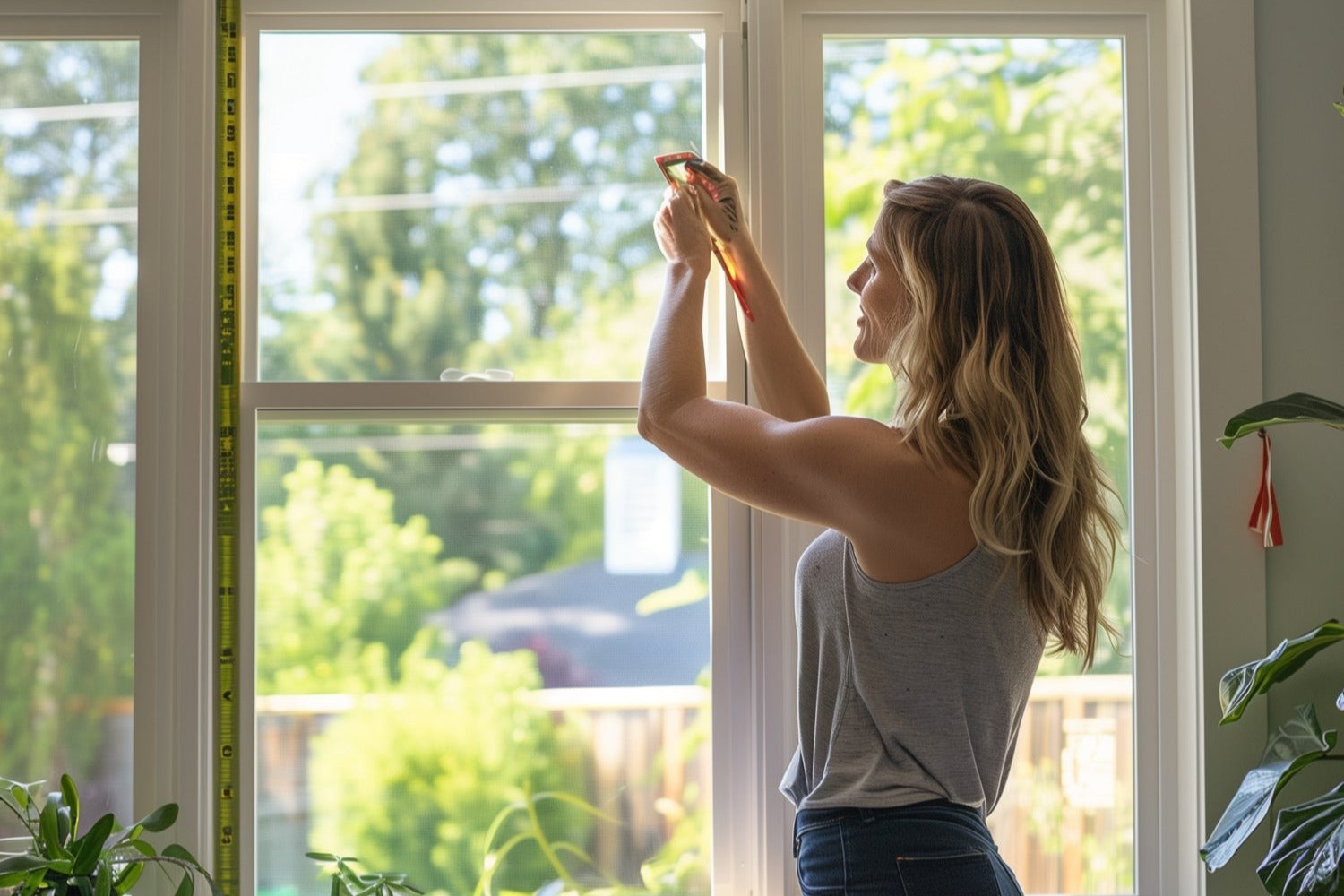
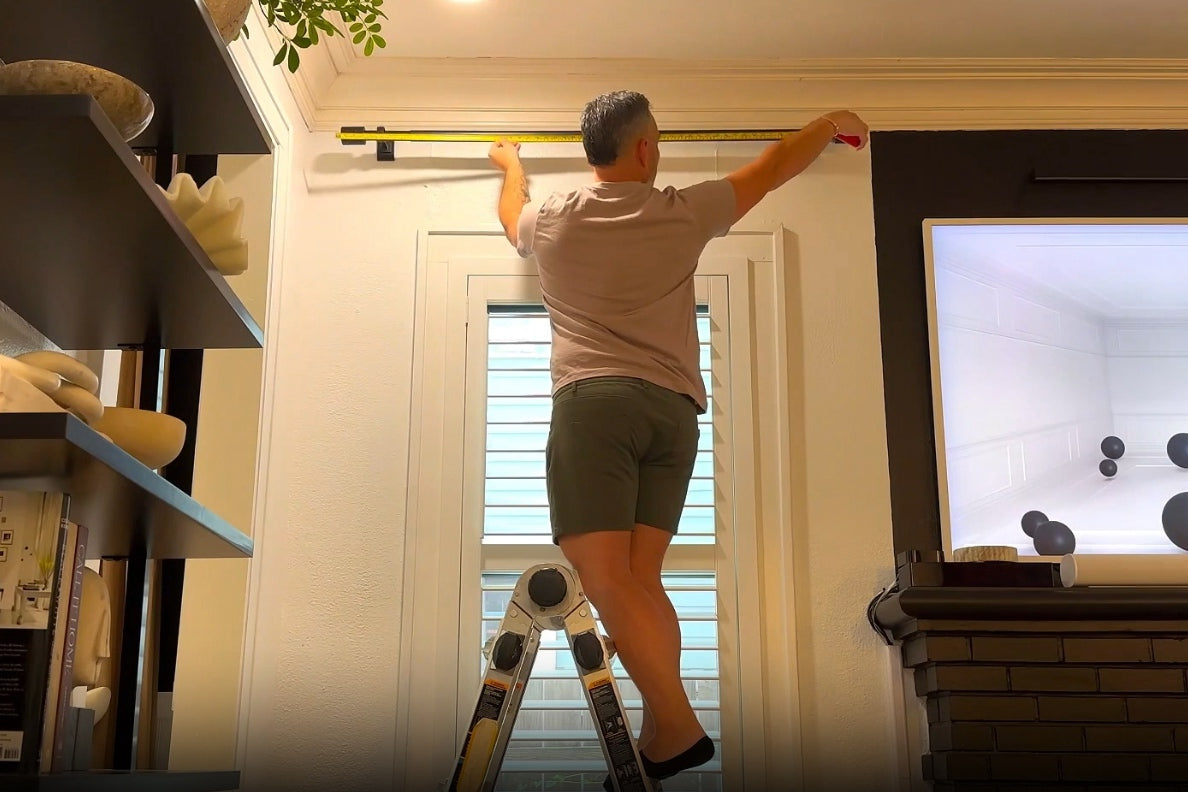
Measuring an off-center window means looking beyond the glass. Measure the full wall, then note the usable wall space on both sides of the window frame. Mark nearby doorways, cabinets, switches, heaters, and furniture as well.
Next, decide where the curtains should sit when open:
- If both sides have enough room, a split draw can divide the fabric between them.
- If one side has much more space, a one-way draw can gather the curtains on that side.
- If both sides are tight, you may need to let the open curtains cover a small part of the glass while keeping them easy to operate.
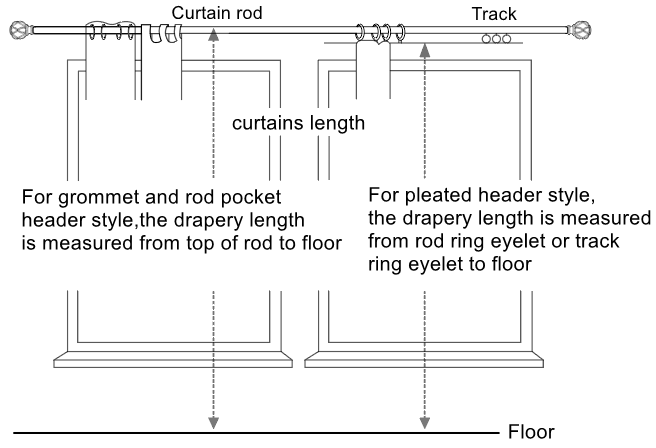
Thicker curtains take up more space when stacked and reduce the amount of glass left uncovered. Before choosing the rod or track length, review the IXACurtians Measurement Guide and use the Measurement Finder to check your order dimensions.

Click image to shop the same look
What If the Wall Is Very Uneven?
If the window is noticeably off-center or the wall space differs substantially from one side to the other, perfect symmetry may not be practical. Choose the rod placement and draw direction that work with the available space. One panel may need more room to stack than the other, or the curtains may work better with a one-way draw.
You can also use curtains that extend beyond the window frame, making the window part of a larger treatment. Make sure the rod still clears the corners, operable parts of the window, and nearby fixtures. Before drilling, use painter’s tape to mark the rod ends and approximate curtain stacks on the wall. Step back and look at the whole arrangement; it can be easier to judge the proportions this way than by focusing only on measurements.
Choosing Curtains for an Off-Center Window
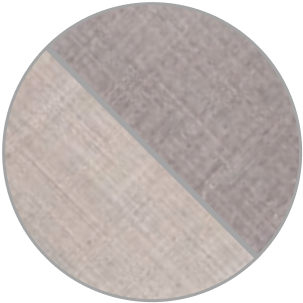
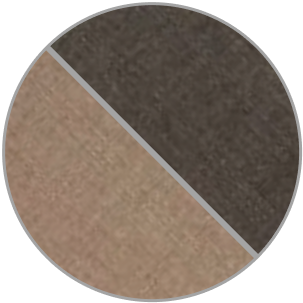
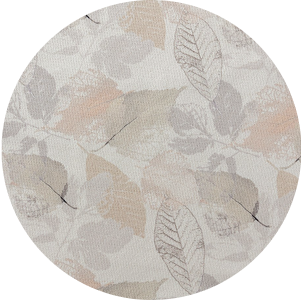
Fabric and header style affect how the finished treatment looks. Lightweight curtains take up less room when open, so they can suit walls with limited clearance or spaces where you want to preserve daylight. Heavier, lined curtains have more visual weight and can help balance a wall with larger furniture, but they need more stackback space.
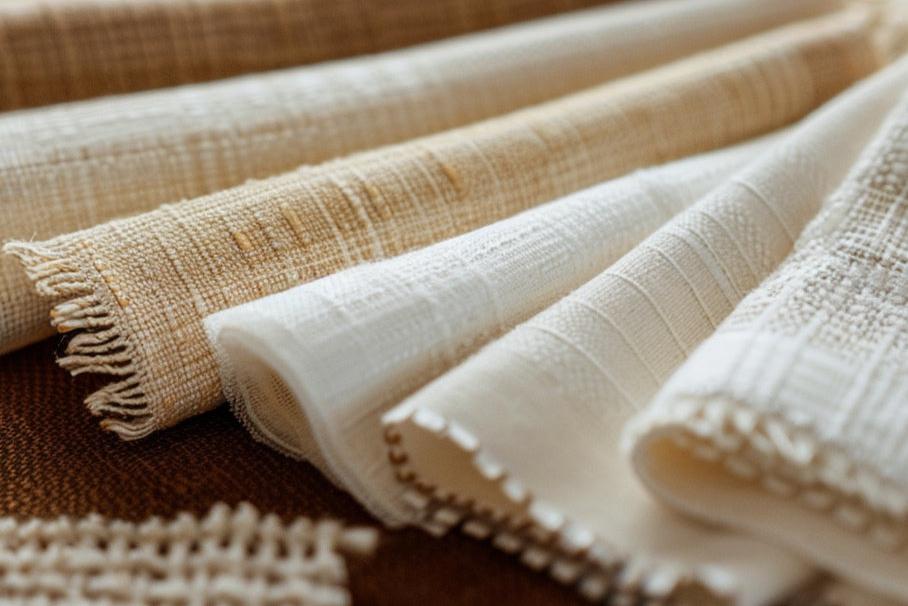
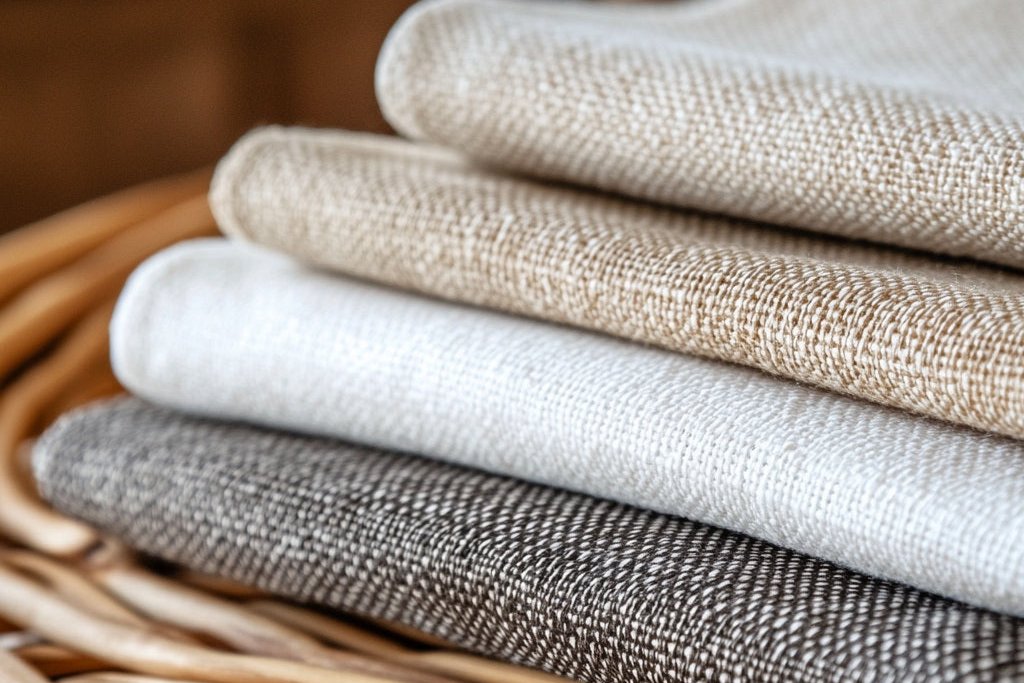
If you are coordinating curtains with the wall, floor, and furniture, order fabric swatches and view them in the room’s actual lighting. Custom curtains can also be made for your rod width, header, lining, and panel arrangement, which can make them easier to fit around an off-center window than standard-size panels.
FAQs
Can curtains make an off-center window look centered?
Curtain rod placement, panel width, and draw direction can make the overall wall feel more balanced, but the window does not have to appear perfectly centered. Consider the full wall, furniture, and usable space on both sides.
Should the curtain rod be centered on the wall?
Not necessarily. If centering it would make the curtains block a doorway, corner, or fixture, prioritize how the window works and where the panels can stack. The center of the wall is one reference point, not a rule.
Can I use one curtain panel for an off-center window?
Yes. A single panel can work when one side of the window has enough wall space and you want the curtain to draw in one direction. Make sure the panel is wide enough to cover the window and that the hardware can support its weight.
How can I keep an open curtain from covering the glass?
Extend the rod or track beyond the window frame and allow enough room for the open curtain to stack. Thick or lined curtains usually need more parking space.
Are custom curtains a good choice for off-center windows?
Custom curtains can be made to suit the window’s position, usable rod width, draw direction, and panel count. These options can make it easier to fit windows where the available wall space differs from one side to the other.
Create a More Balanced Window Wall
An off-center window does not need to be hidden or extensively remodeled. Start with how you use the window, the available wall space, and the furniture layout. Then plan the rod position, draw direction, and stackback.
IXACurtians custom curtains can be made to suit your measurements, header style, fabric, and lining preferences. Planning for both the open and closed positions helps the whole wall feel more considered and keeps the curtains practical to use.