



When people hear the term curtain wall, they may first think of architecture. In building design, a curtain wall usually refers to a non-structural exterior wall, often made of glass, that covers the outside of a building. However, in home decor and interior design, the phrase can also describe a wall-like curtain installation used to add softness, privacy, texture, or visual interest to a space.
For homeowners, renters, shop owners, and designers, a curtain wall can be a flexible and beautiful way to transform a room without major renovation.
What Does Curtain Wall Mean in Interior Design?
In interior styling, a curtain wall often means using curtains, drapes, or fabric panels to cover a large section of a wall. Instead of hanging curtains only over windows, the fabric becomes part of the room’s design.
A curtain wall can be used to:
- Cover a plain wall
- Create a soft backdrop
- Divide an open space
- Add privacy
- Bring texture and color into a room
- Make a space feel warmer and more finished
This idea works especially well with custom curtains, because the panels can be made to fit the exact wall height, width, and style of the space.
Curtain Wall vs. Window Curtains
Traditional window curtains are mainly used for light control, privacy, and window styling. A curtain wall is often more decorative and can be installed even where there is no window.
For example, living room curtains may frame a window, while a curtain wall may cover an entire wall behind a sofa. Bedroom curtains may block light from windows, while a curtain wall behind the bed can create a soft headboard effect.
Both can use similar curtain styles, such as:
- Sheer curtains
- Linen curtains
- Velvet curtains
- Blackout curtains
- Pleated curtains
- Room divider curtains
- Decorative curtains
The difference is how the curtains are used in the space.
Why Use a Curtain Wall?
A curtain wall is a simple way to make a room feel more layered and thoughtfully designed. It can soften hard surfaces, add movement, and create a more inviting atmosphere.
Common benefits include:
- Adds warmth and softness
- Creates a stylish focal point
- Helps define different zones
- Hides storage or unfinished areas
- Adds privacy without building a wall
- Makes ceilings feel taller when installed high
- Works as flexible room decoration
For renters or small spaces, a curtain wall can be especially useful because it offers visual impact without permanent construction.
Where Can You Use a Curtain Wall?
1. As Room Decoration
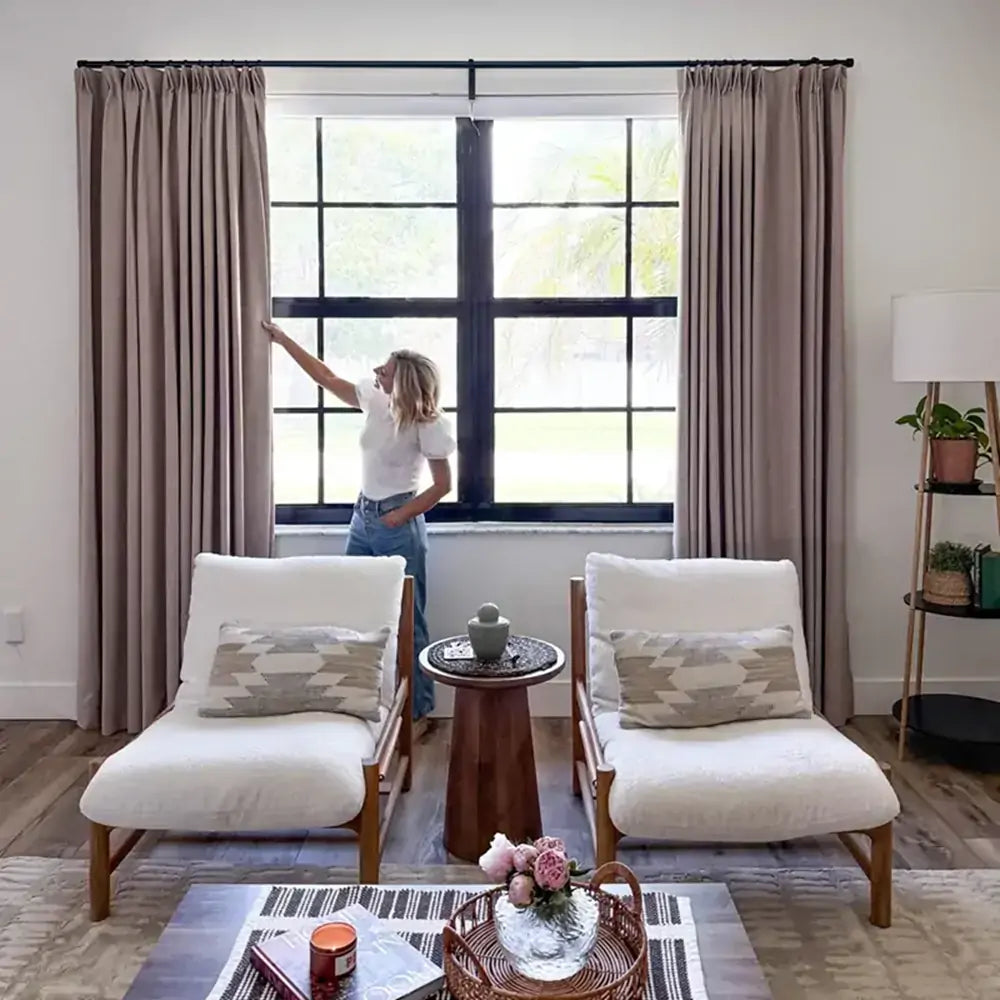
A curtain wall can instantly change the mood of a room. Use it behind a sofa, along an empty wall, or in a studio apartment to create depth and texture.
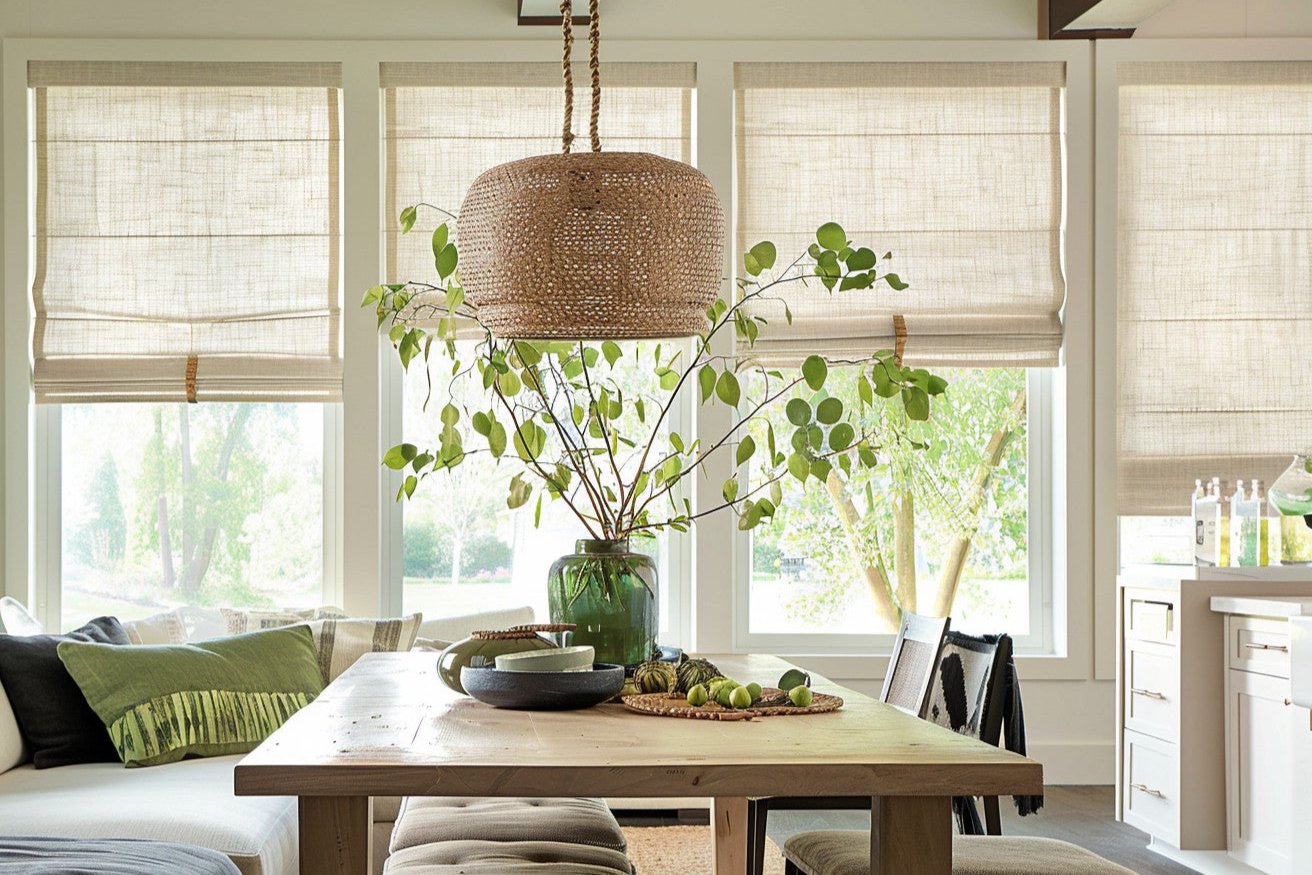
For a light and airy look, sheer curtains or linen curtains work beautifully. For a richer and more dramatic style, velvet curtains or pleated drapes can make the room feel more elevated.
Click image to shop the same look
2. As Headboard Decor
One popular way to use a curtain wall is behind the bed. Instead of a traditional headboard, floor-to-ceiling curtains can create a soft, hotel-inspired backdrop.
Good choices include:
- Linen curtains for a natural, relaxed bedroom
- Velvet curtains for a cozy and luxurious look
- Sheer curtains for a romantic and airy effect
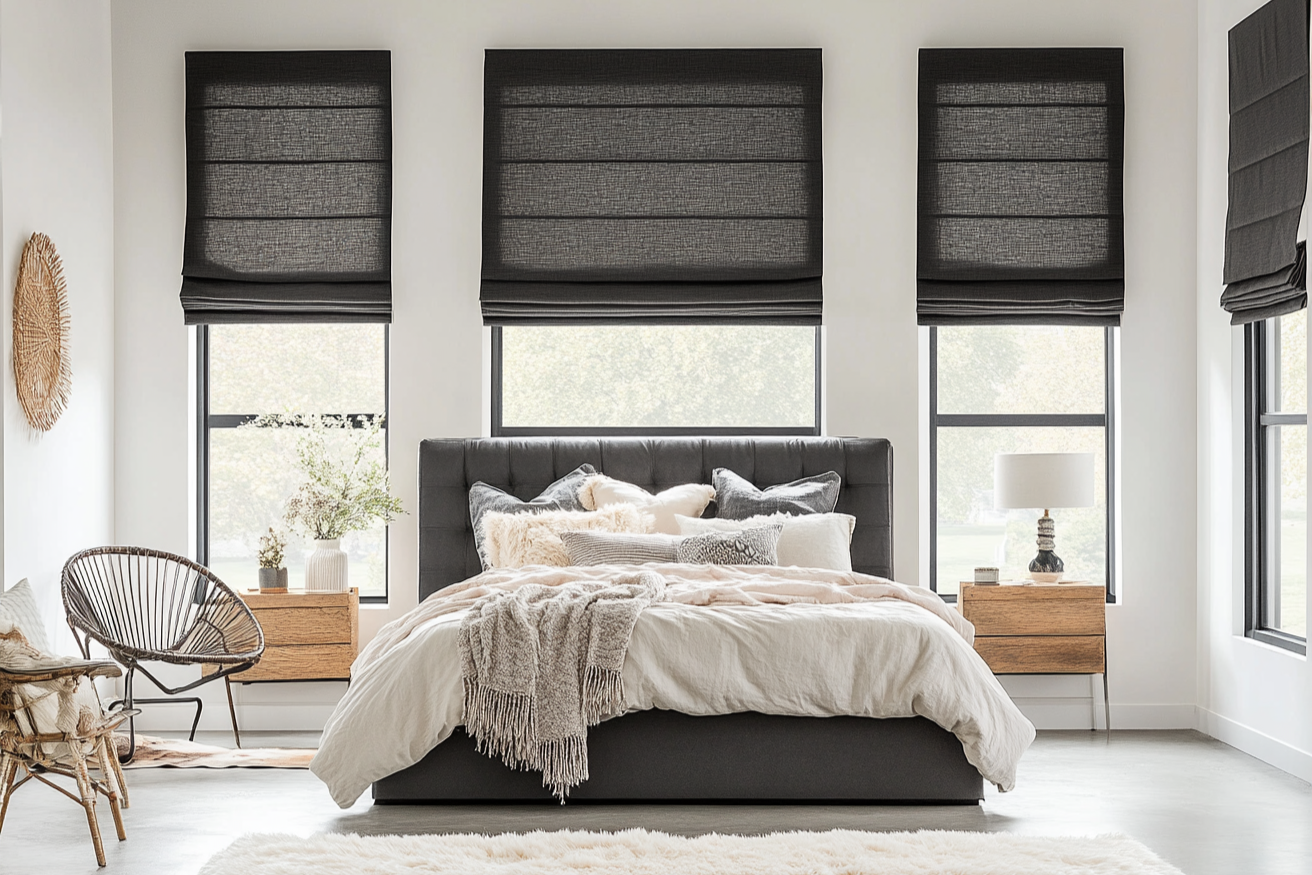
- Blackout curtains for extra privacy and comfort
This is a great idea for bedroom decor, especially if you want the bed area to feel more complete and visually balanced.
Click image to shop the same look
3. As Shop Decoration
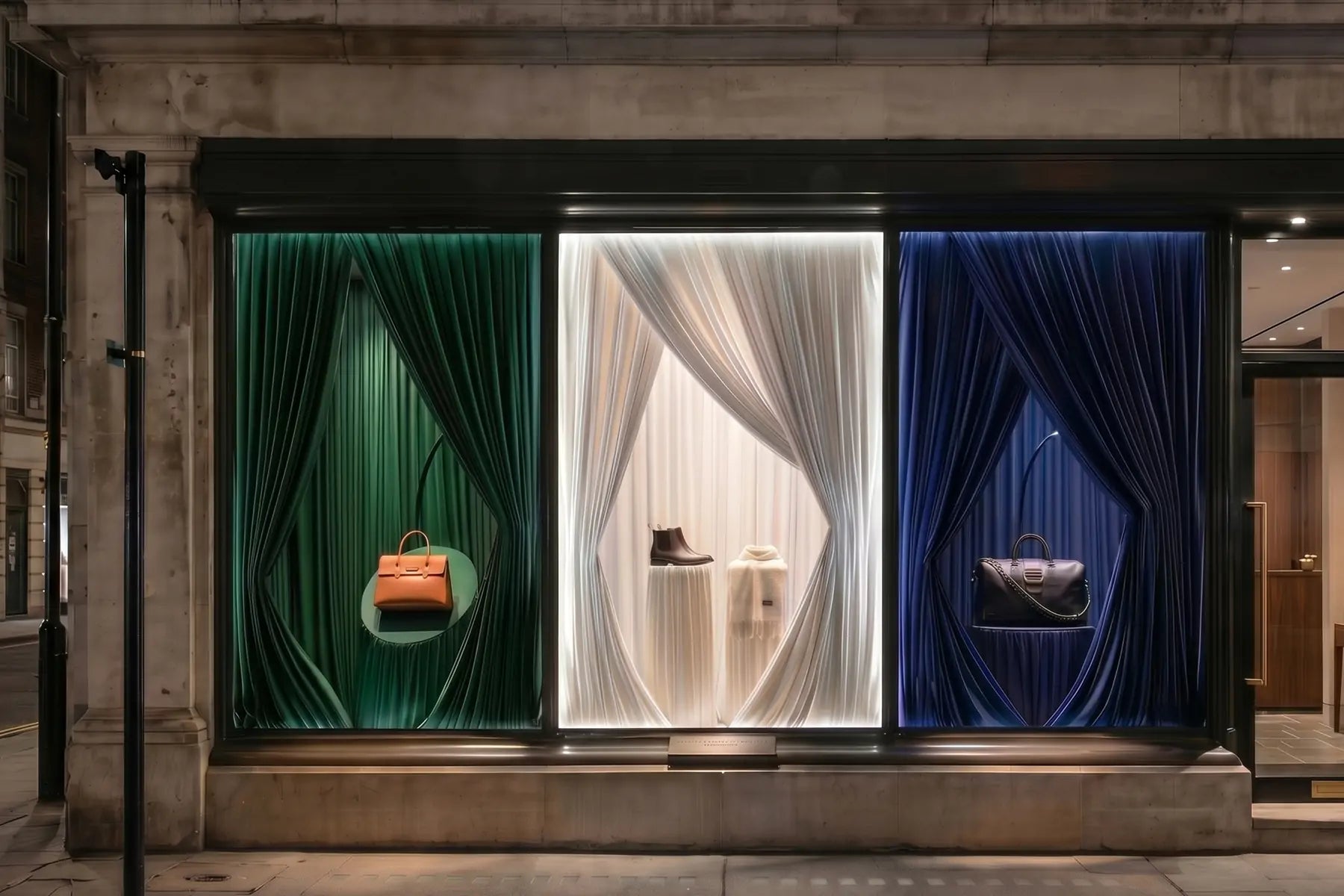
Curtain walls are also useful in commercial interiors. Boutiques, studios, salons, cafes, showrooms, and pop-up shops can use curtain walls to create a softer and more branded environment.
They can be used:
- Behind a checkout counter
- As a fitting room curtain
- As a photo backdrop
- To divide product display areas
- To create a seasonal decor feature
- To soften a retail space
For shop decoration, custom curtains are often the best choice because they can be designed to match the store’s color palette, brand style, and wall dimensions.
Click image to shop the same look
4. As a Room Divider
A curtain wall can also work as a flexible room divider curtain. It can separate a living area from a sleeping area, divide a home office corner, or create privacy in an open-plan room.
Compared with a fixed wall, curtains feel softer and can be opened or closed as needed. Ceiling-mounted curtain tracks are especially useful for this type of installation.
Click image to shop the same look
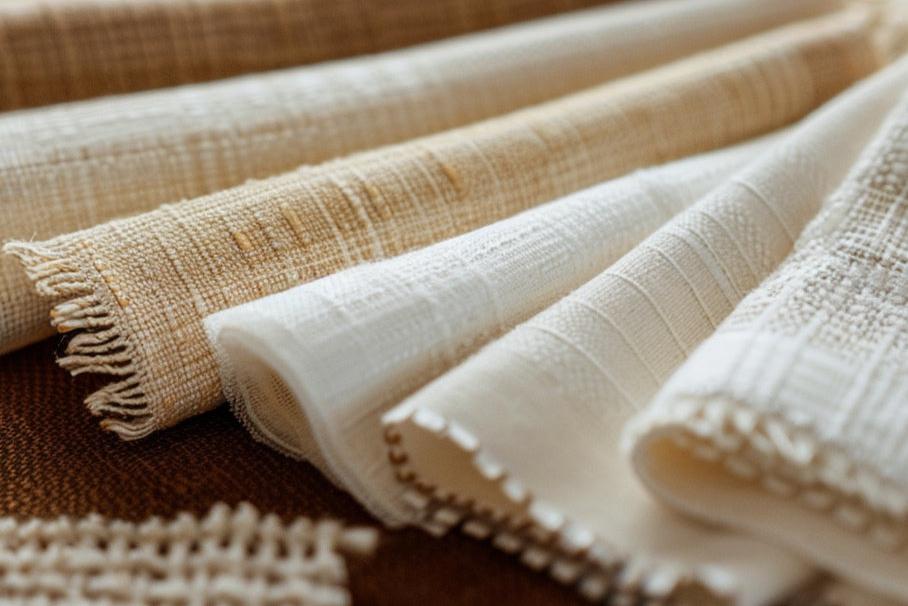
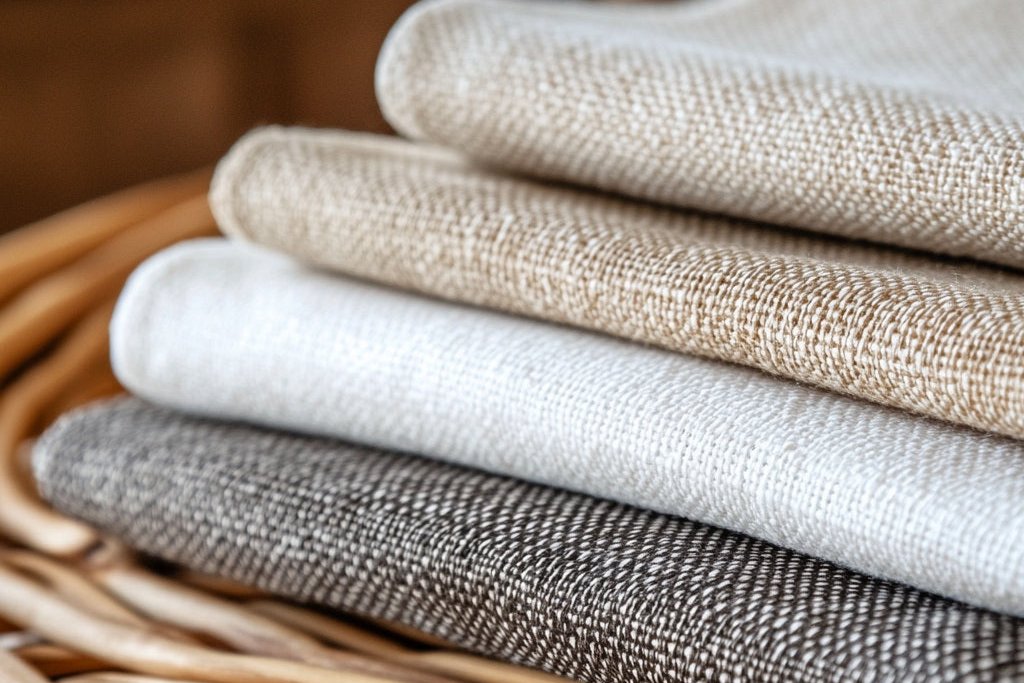
Best Curtain Fabrics for a Curtain Wall
The right fabric depends on the look and function you want.
Sheer Curtains
Sheer curtains create a soft, light, and airy look. They are ideal for romantic bedrooms, bright living spaces, and decorative wall styling.
Linen Curtains
Linen curtains bring natural texture and relaxed elegance. They are perfect for modern, coastal, farmhouse, and minimalist home decor.
Velvet Curtains
Velvet curtains add depth, warmth, and a more luxurious feeling. They work well for bedrooms, boutiques, lounges, and dramatic feature walls.
Patterned Curtains
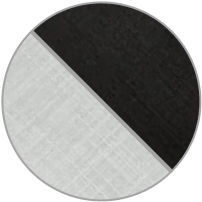
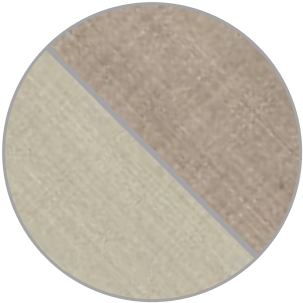
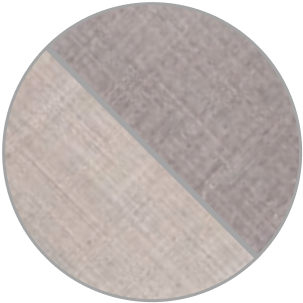
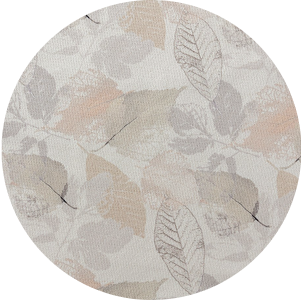
Patterned curtains add color, personality, and visual interest to a curtain wall. They are a great choice for creating a decorative focal point, enhancing room decor, or bringing a more artistic look to full wall installations.
How to Style a Curtain Wall
To make a curtain wall look intentional rather than temporary, pay attention to placement and fullness.
Helpful styling tips:
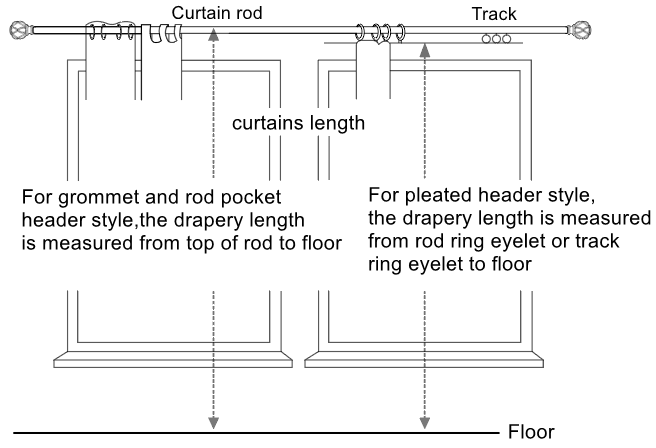
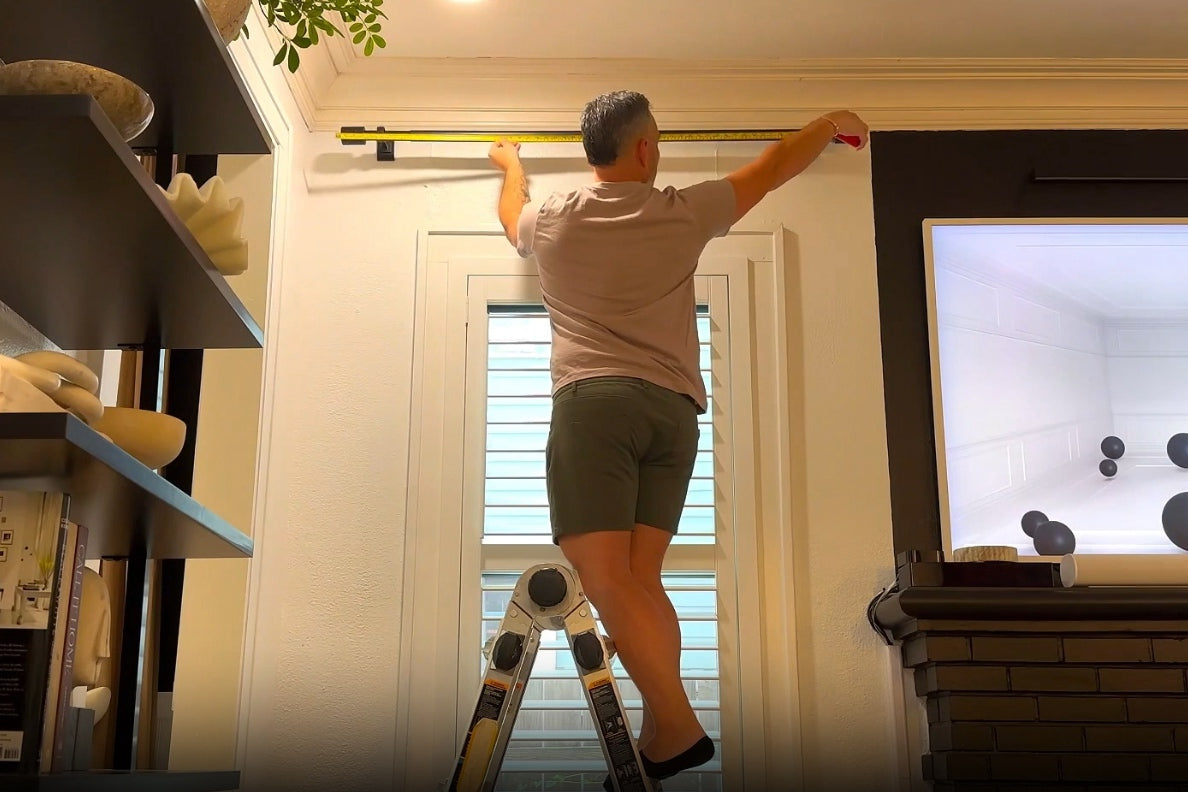
- Install the curtain rod or track close to the ceiling
- Choose floor-length curtains for a more elegant look
- Use enough fabric width for soft fullness
- Match curtain hardware with your room decor
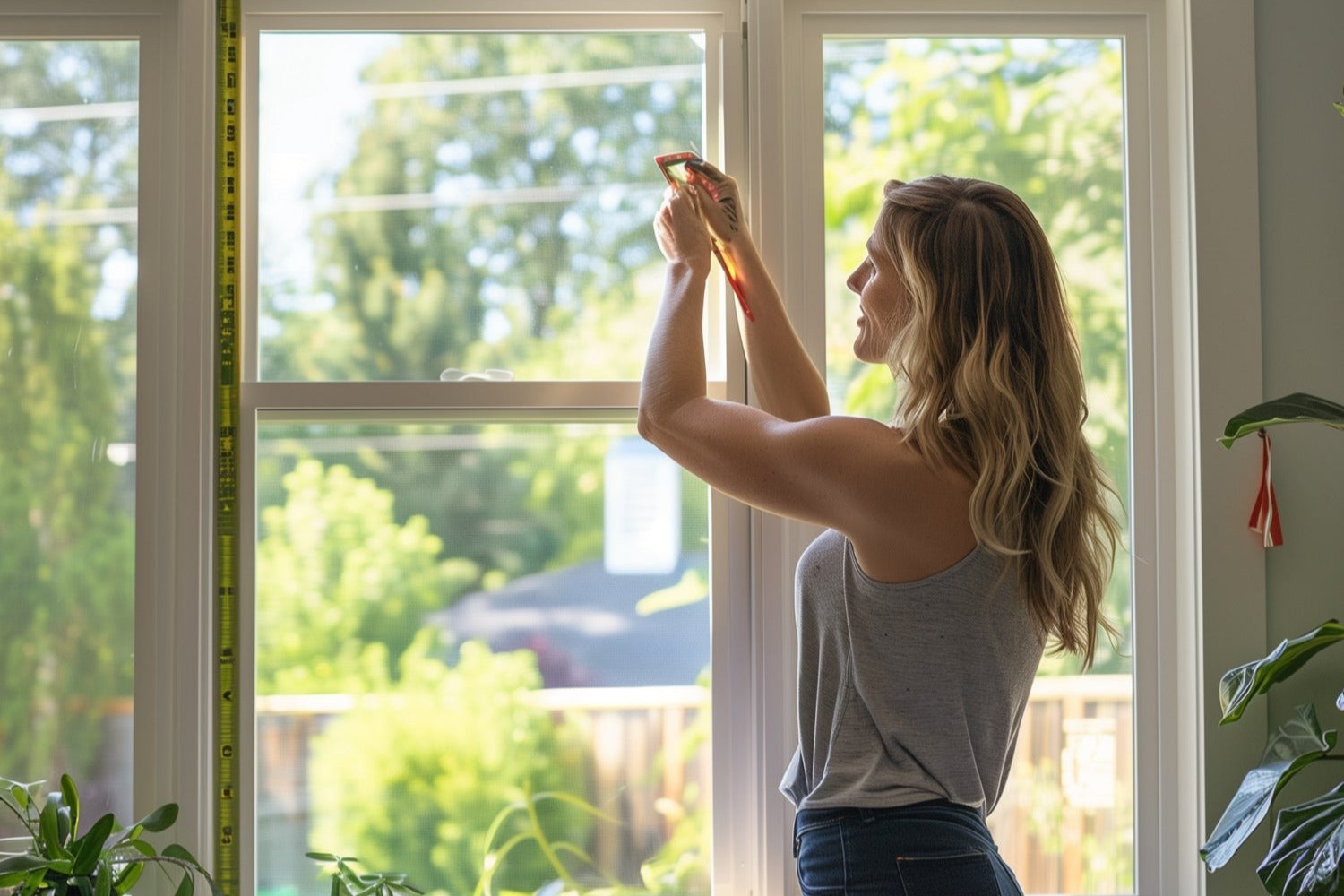
- Choose custom sizing for large walls
- Use pleated curtains for a designer finish
A curtain wall looks best when it feels generous, soft, and properly fitted to the space.
Final Thoughts
So, what is a curtain wall? In architecture, it usually refers to a non-structural exterior building wall. In interior design, however, it more often describes a decorative use of curtains, drapes, or fabric panels to cover a wall, divide a space, or create a soft visual backdrop.
Whether used for home decor, a bedroom backdrop, shop displays, or as a room divider, a curtain wall can add texture, privacy, and personality to a space. With the right fabric, size, and installation method, custom curtains can turn a plain wall into a beautiful design feature.
Compared with many fixed renovations or hard decorative finishes, a curtain wall offers strong visual impact while remaining easy to style with different interiors. It is relatively simple to install, more flexible in cost, and easy to update later. When you want to change your home style, refresh a shop display, or bring a new seasonal mood into a room, simply switching to curtains in a different fabric, color, or pattern can transform the space with ease.
In this way, a curtain wall is more than a decorative idea—it is a beautiful, practical, and flexible design solution for modern interiors.
IXA Curtains, we create custom curtains that bring warmth, texture, and refined style to beautifully lived-in🔗 Shop the Collection at ixacurtains.com
FAQ
What is a curtain wall in interior design?
In interior design, a curtain wall usually means using curtains or drapes to cover a large wall area, create a backdrop, or divide a space.
Can curtains be used as wall decor?
Yes. Curtains can be used as decorative wall panels, headboard backdrops, room dividers, or shop decor to add softness and texture.
What fabric is best for a curtain wall?
Sheer, linen, velvet, blackout, and pattern curtains can all work well depending on the desired style and function.
Can a curtain wall be used in a shop?
Yes. Curtain walls are great for boutiques, studios, salons, showrooms, and retail spaces because they add texture, privacy, and visual interest.