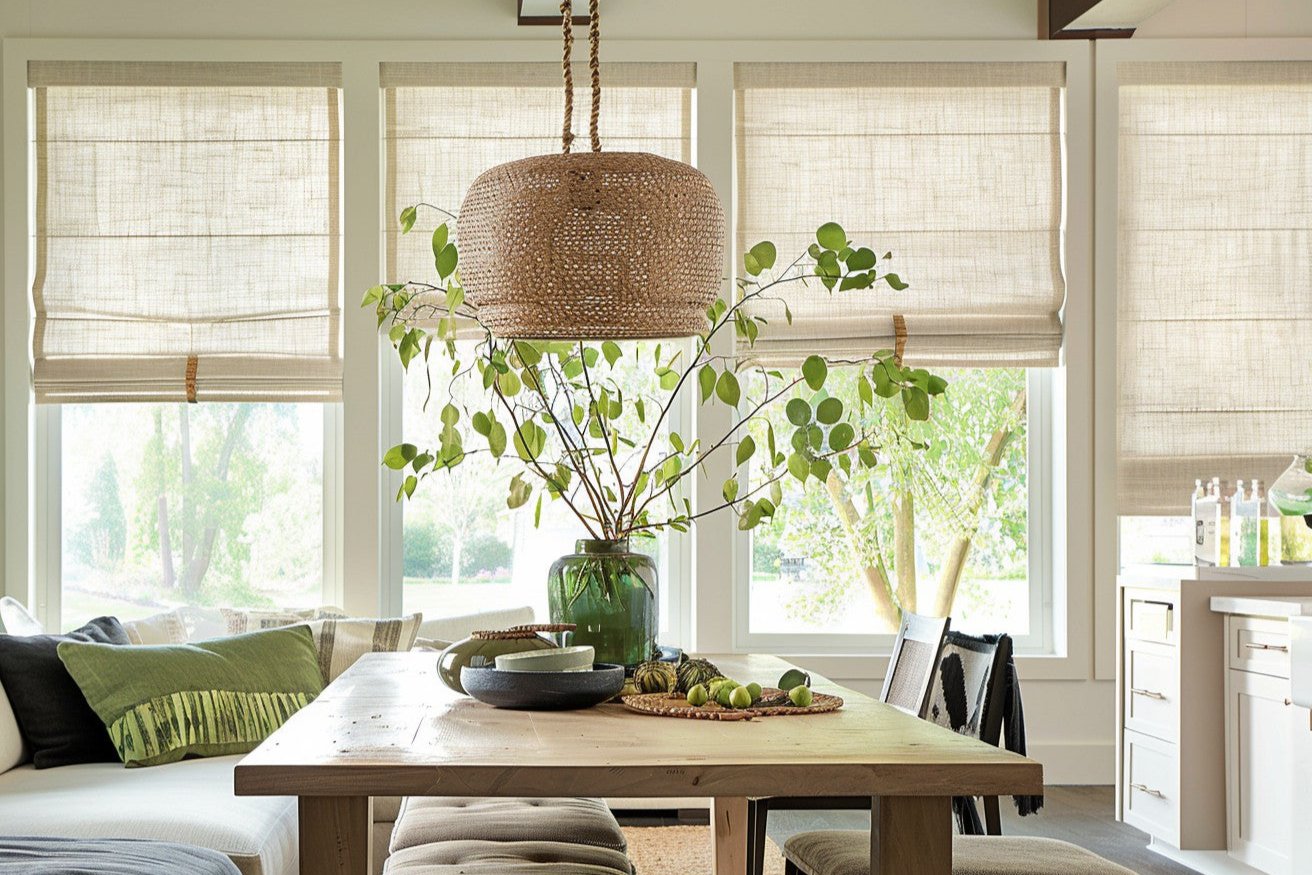
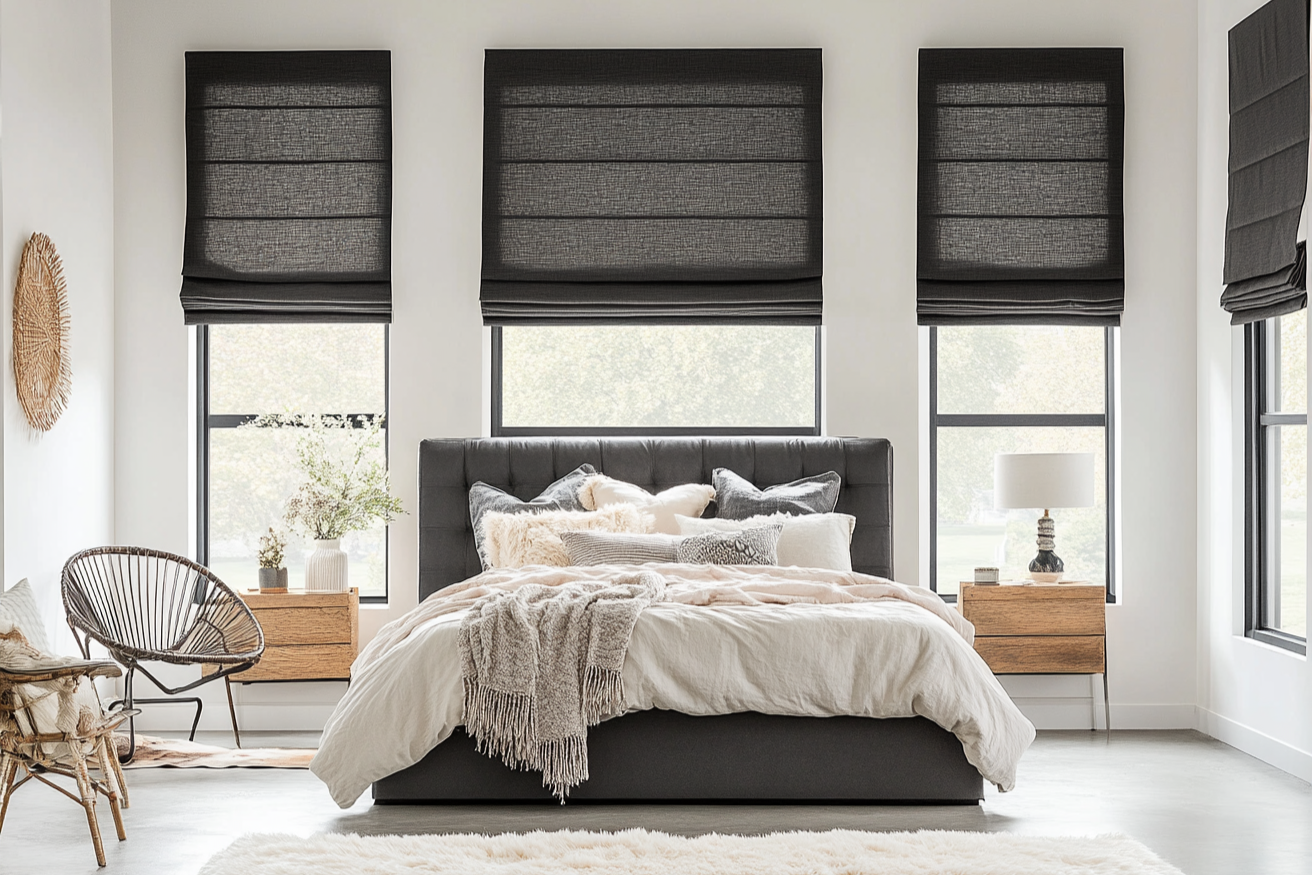
Roller shades are a popular window covering option for modern homes, offering both simplicity and practicality. They provide excellent light control and privacy while maintaining a clean, minimalistic look.
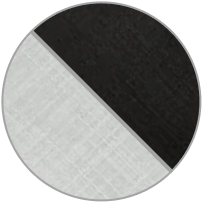
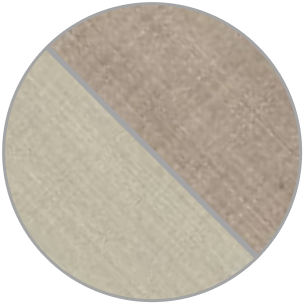
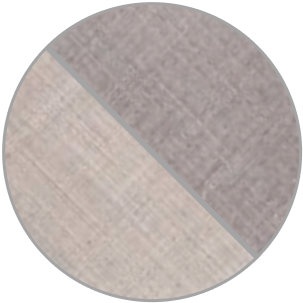
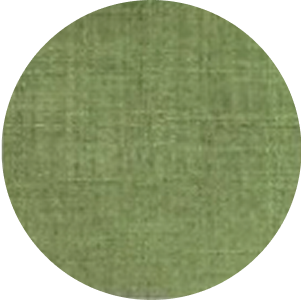
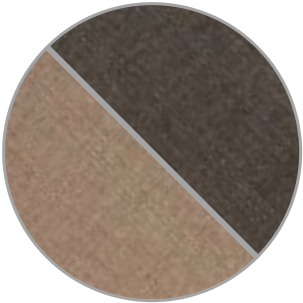
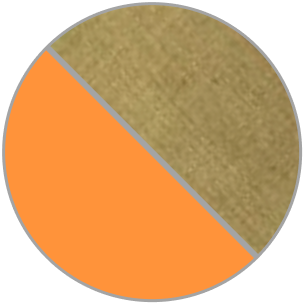
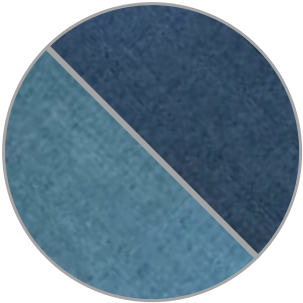
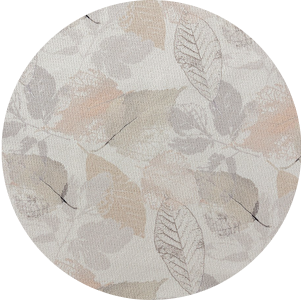
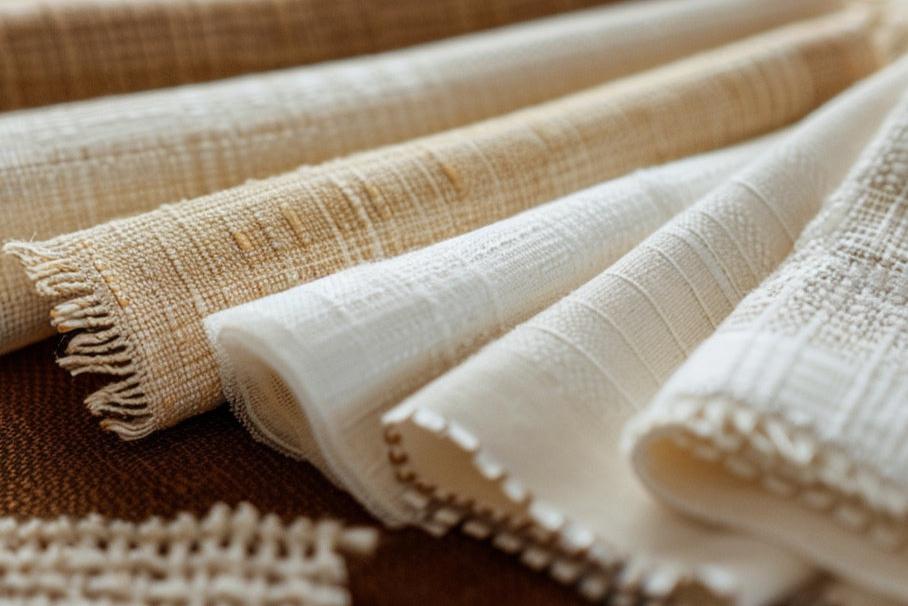
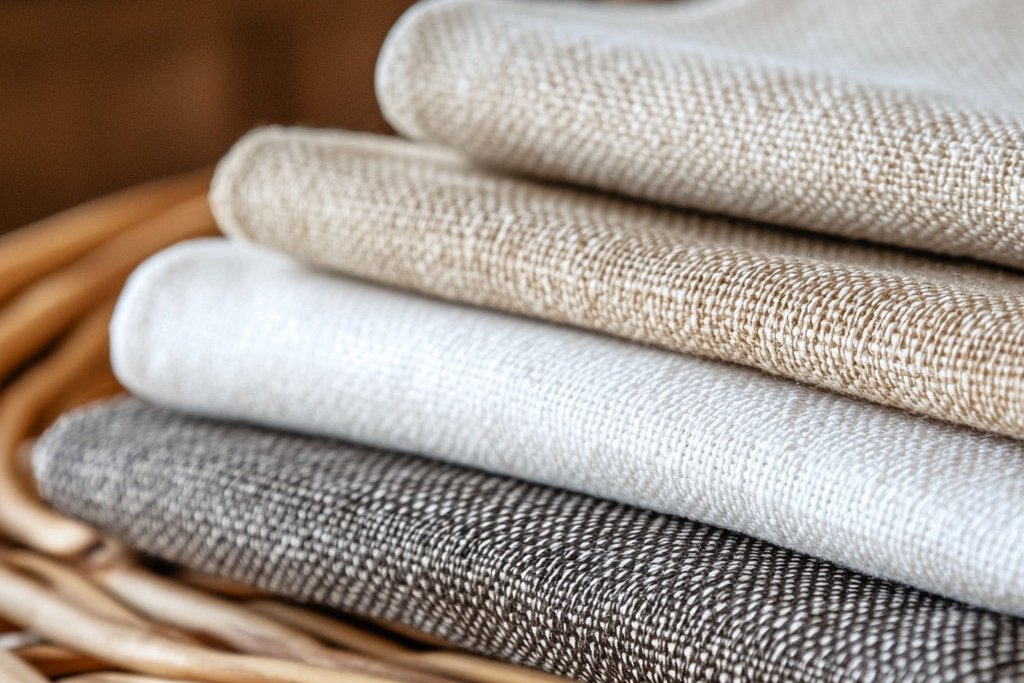
Feel the Texture and Color in Person. Free shipping arrived in 5-8 days! If pleased with swatches, reach out to order custom, we'll refund swatch fee in full
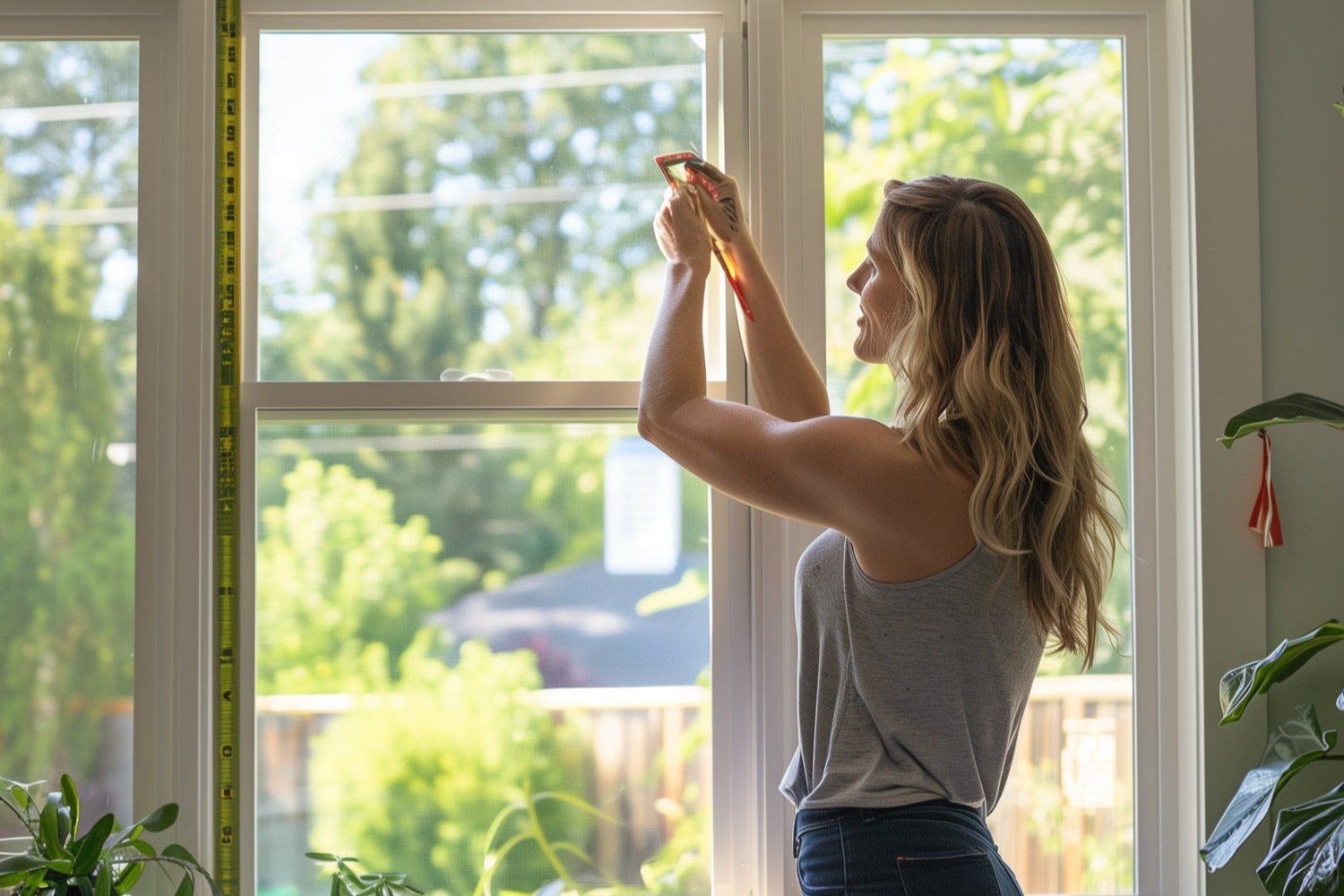
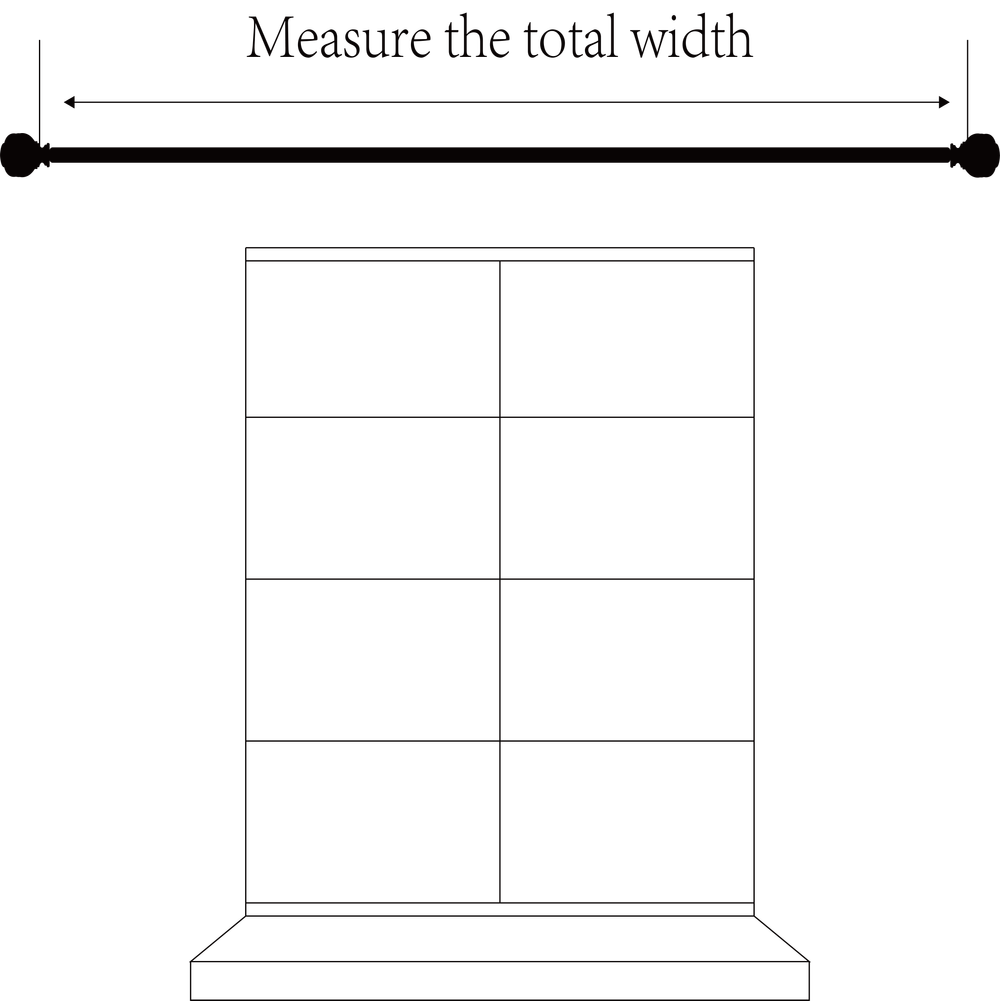
To ensure the accuracy of your curtain measurements, please use our online measuring tool before placing your order. If the tool does not meet your needs or you have any questions, feel free to contact our customer support team before finalizing your purchase.
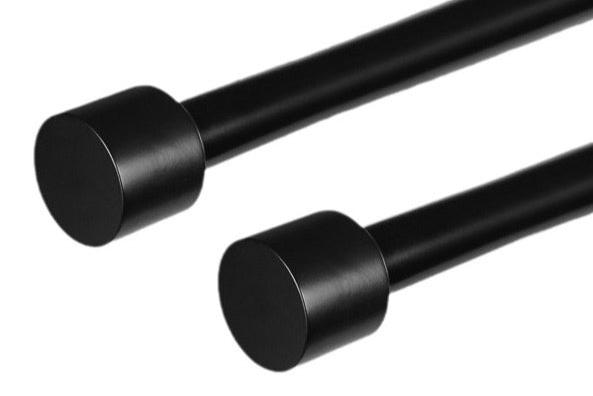
Upgrade your windows with our durable and stylish curtain hardware. Designed for easy installation, it pairs perfectly with your custom curtains, adding elegance and lasting support
Choosing the right curtain length can completely change the look and feel of your home. Whether you are shopping for custom curtains, custom drapes, linen curtains, velvet curtains, or blackout curtains, one of the most common questions homeowners ask is:Should curtains touch the floor?The short answer is: yes, in most cases, curtains should touch the floor or come very close to it. Floor-length curtains create a polished, elegant, and designer-inspired look. However, the best curtain length depends on your room, window style, fabric choice, and the overall interior design effect you want to achieve.
In this complete curtain length guide, we’ll explain when curtains should touch the floor, when they should puddle, when they should hover above the floor, and how to choose the perfect curtain size for your living room, bedroom, dining room, nursery, patio doors, bay windows, and more.
Why Curtain Length Matters
Curtains are more than just fabric panels. They are one of the most important window treatments in a home. The right curtain length can:
Make ceilings look taller
Make windows appear larger
Add softness and warmth to a room
Improve privacy
Enhance light control
Make a space feel more luxurious
Create a finished interior design look
On the other hand, curtains that are too short can make a room feel unfinished. This is especially true for living room curtains, bedroom curtains, and dining room curtains, where floor-length drapes usually look more intentional and elegant.
If you want a high-end, custom look, choosing the right curtain panel length is just as important as selecting the fabric, pleat style, color, and curtain rod.
Should Curtains Touch the Floor?
In most modern homes, curtains should either lightly touch the floor, float just above the floor, or slightly puddle on the floor(about 1/2").
The most popular curtain length styles are:
Curtain Length Style
Best For
Look
Floating curtains
Modern homes, high-traffic areas
Clean and practical
Kissing the floor
Living rooms, bedrooms, dining rooms
Tailored and elegant
Breaking at the floor
Luxury drapes, formal rooms
Soft and relaxed
Puddling curtains
Romantic, traditional, luxury interiors
Dramatic and decorative
For most homeowners, the safest choice is curtains that just touch the floor or “kiss” the floor. This gives your space a clean, custom, and expensive-looking finish.
Option 1: Curtains That Float Above the Floor
Floating curtains hang slightly above the floor, usually about ½ inch to 1 inch off the ground.
This curtain length is ideal if you want a neat, easy-to-maintain look. It also works well in rooms where curtains are opened and closed often.
Best for:
Kids’ rooms
Nursery curtains
High-traffic living rooms
Sliding glass door curtains
Patio door curtains
Homes with pets
Robot vacuum-friendly spaces
Modern minimalist interiors
the inner layer of the double-layer curtains
Floating curtains are especially practical for blackout curtains, thermal curtains, and custom curtain panels that are used daily.
If you’re worried about fabric dragging, dust, or uneven floors, floating curtains are a smart option.
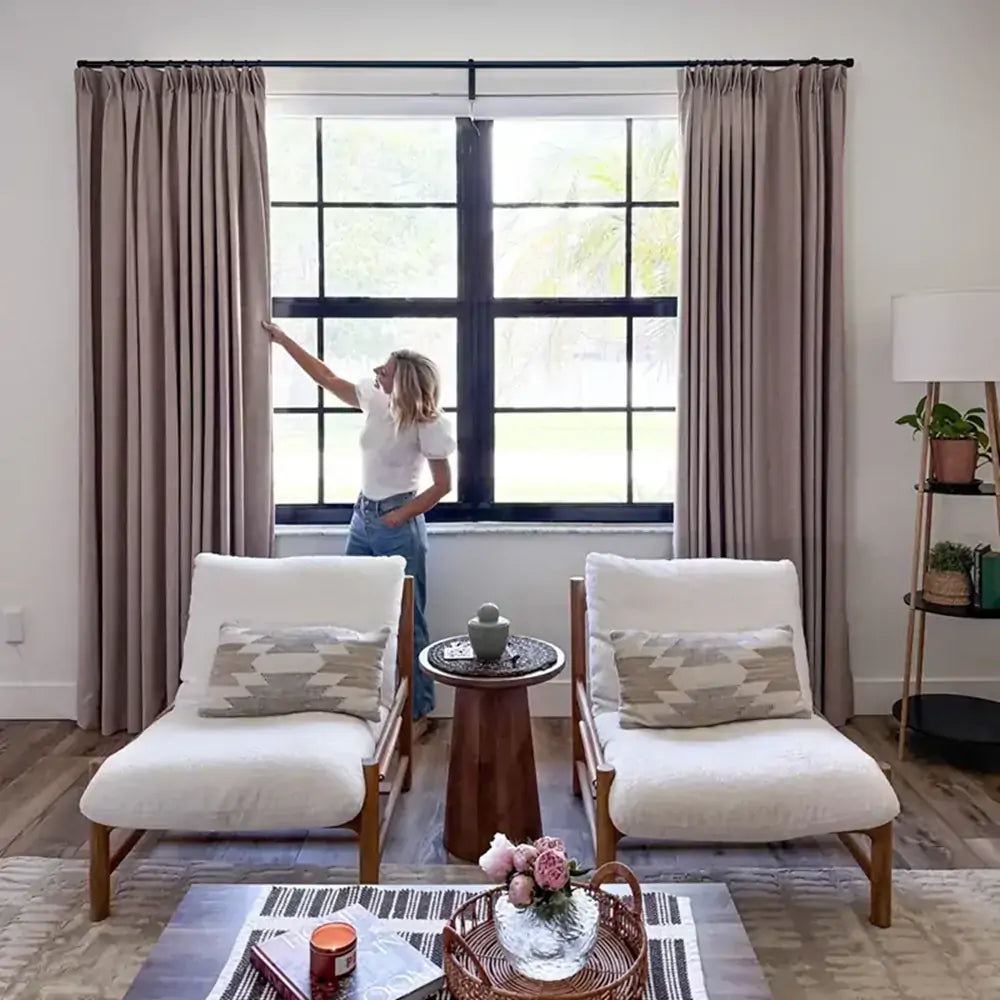
Click image to shop the same look
Option 2: Curtains That Just Touch the Floor
Curtains that just touch the floor are often considered the most classic and designer-approved option.
This style is sometimes called:
Floor-touching curtains
Floor-length curtains
Curtains that kiss the floor
Tailored curtains
Full-length drapes
The fabric should meet the floor without bunching. This creates a clean vertical line that makes the room feel taller and more refined.
Best for:
Living room curtains
Bedroom curtains
Dining room curtains
Luxury curtains
Custom drapes
Pinch pleat curtains
Linen curtains
Velvet curtains
Sheer curtains layered with blackout curtains
If you’re ordering custom size curtains, this is usually the most recommended length.
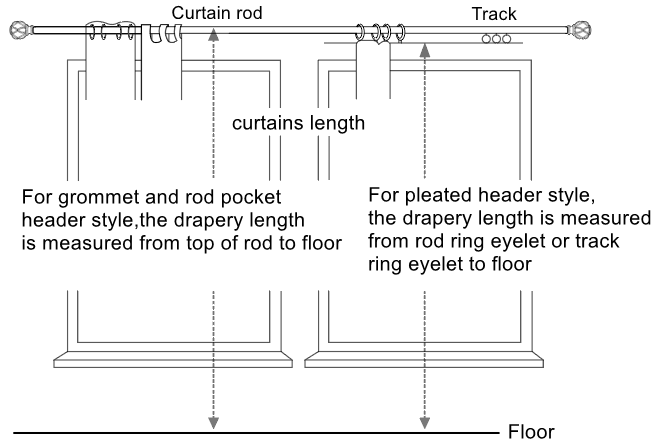
For example, if the distance from your curtain rod to the floor is 96 inches, your finished curtain length should be very close to 96 inches.However, the exact height depends on the curtain header style you choose, for instance, with Pinch Pleat styles, you should measure from the curtain rings to the floor, whereas for Grommet or Rod Pocket styles, you should measure from the top of the curtain rod to the floor. To obtain the most precise measurements, please use our "Measurement Finder" tool to calculate the exact curtain length based on your selected hanging method:measurement-finder
Click image to shop the same look
Option 3: Puddled Curtains
Puddled curtains extend several inches onto the floor, creating a dramatic and romantic look. This style is often used in formal interiors, luxury bedrooms, and traditional homes.
There are different levels of curtain puddling:
Puddle Length
Look
1–2 inches
Soft break
3–6 inches
Moderate puddle
6+ inches
Dramatic puddle
Best for:
Formal dining rooms
Luxury bedroom curtains
Velvet drapes
Silk curtains
Traditional homes
Romantic curtain ideas
Decorative windows that are rarely opened
However, puddled curtains are not the most practical choice for every home. They collect dust more easily and can be harder to clean. If you have pets, children, or high-traffic areas, floating or floor-touching curtains may be better.
Click image to shop the same look
Why Choose Custom Curtains?
Choosing custom curtains is the best way to meet the different needs of each home when it comes to curtain height and size. Compared with ready-made curtains, custom curtains can be precisely tailored according to your window dimensions, ceiling height, curtain rod placement, and desired draping effect, allowing the curtains to truly fit your space.
Curtain height is the foundation of the overall aesthetic. Whether you want your curtains to float slightly above the floor, just touch the floor, fall naturally with a slight break, or create a more decorative puddled look, the right height directly affects the final appearance.
If the curtain height is not suitable — for example, if the curtains are too short, hang too far above the floor, or are too long without forming natural and beautiful folds — it can greatly damage the overall look. The room may appear unbalanced, less refined, or even feel as if the curtains were not installed properly.
With custom curtains, you can customize the exact length according to your preferred curtain height. You can also freely choose the width, fabric, lining, pleat style, and overall fullness. For non-standard window sizes, custom curtains are especially important. Well-made custom curtains can greatly enhance the overall quality and sophistication of your home décor.
Final Answer: Should Curtains Touch the Floor?
For most rooms, yes, curtains should touch the floor or come very close to it.
If you want a clean and modern look, choose curtains that float about ½ inch above the floor.
If you want a tailored designer look, choose curtains that just touch the floor(kiss the floor).
If you want a soft and luxurious look, choose curtains that break slightly or puddle.
The best curtain length depends on your room, window size, curtain fabric, and lifestyle. But if your goal is to make your home look more polished, elegant, and custom-designed, kiss-the-floor-length curtains are almost always the best choice.IXA Curtains, we create custom curtains that bring warmth, texture, and refined style to beautifully lived-in🔗 Shop the Collection at ixacurtains.com
FAQ Section
Should curtains touch the floor or window sill?
For living rooms, bedrooms, and dining rooms, curtains usually look best when they touch the floor. Sill-length curtains are more common in kitchens, bathrooms, or small windows.
Is it okay if curtains don’t touch the floor?
Yes. Curtains can float about ½ inch to 1 inch above the floor for a clean and practical look, especially in high-traffic areas or homes with pets.
How much should curtains puddle on the floor?
For a slight puddle, add 1 to 2 inches. For a more dramatic puddle, add 3 to 6 inches or more. Puddled curtains are best for decorative or formal spaces.
Should bedroom curtains touch the floor?
Yes, bedroom curtains usually look best when they touch the floor. Floor-length blackout curtains can also improve privacy and help block light for better sleep.
Should living room curtains touch the floor?
Yes, living room curtains should generally touch the floor or come very close to it. This creates a more elegant and finished look.
How far should curtains be off the floor?
If you prefer floating curtains, keep them about ½ inch above the floor. Avoid leaving several inches of space, as that can make curtains look too short.
What is the best curtain length for 8-foot ceilings?
For 8-foot ceilings, common curtain lengths include 84, 90, and 96 inches. The best size depends on how high you hang the curtain rod.
Are custom curtains worth it?
Yes, custom curtains are worth it if you want the perfect length, width, fabric, lining, and pleat style. They create a more tailored and high-end look than standard ready-made curtains.
Choosing the right custom curtains is about more than color or fabric. One of the biggest factors is how much light you want in the room—and how much privacy you need.
From airy sheer curtains to full blackout curtains, each opacity level creates a different mood and serves a different purpose. If you're shopping for living room curtains, bedroom curtains, or custom window treatments, this guide will help you choose the right option for your home.
Sheer Curtains(Semi Sheer Curtains): Soft, Airy, and Full of Light
Sheer curtains let in the most natural light and create a bright, open look. They’re perfect for spaces where you want softness and movement without blocking the view too much.
Best for:
Living rooms
Sunrooms
Layered window treatments
Decorative spaces
Common fabrics:
Voile
Sheer polyester
Sheer linen blends
Sheer curtains are a great choice if you love a light and breezy atmosphere, but they offer only limited privacy—especially at night.
Shop Sheer Styles:Sheer Curtains
Light Filtering Curtains: A Balanced Everyday Choice
Light filtering curtains soften harsh sunlight while still keeping the room bright. They offer a nice balance between natural light and privacy, making them one of the most versatile options for everyday use.
Best for:
Living rooms
Dining rooms
Home offices
Kitchens
Common fabrics:
Linen blends
Cotton blends
Textured woven fabrics
Semi-sheer chenille
If you want a space to feel warm, comfortable, and softly lit, light filtering curtains are often the best fit.
Shop Light Filtering Options:Light Filtering Curtains
click the image to shop this look
Room Darkening Curtains: More Privacy and Less Glare
Room darkening curtains reduce a significant amount of incoming light and help create a calmer, more restful environment. They don’t usually block all light, but they make a noticeable difference in brightness and privacy.
Best for:
Bedrooms
Guest rooms
Nurseries
Media rooms
Common fabrics:
Chenille
Heavier cotton blends
Lined jacquard
Tightly woven fabrics
Room darkening curtains are ideal if you want more coverage than light filtering curtains, but don’t necessarily need a full blackout effect.
Shop Room Darkening Styles:Custom Bedroom Curtains
click the image to shop this look
Blackout Curtains: Maximum Light Control
Blackout curtains are designed to block most incoming light, making them the best option for better sleep, privacy, and glare reduction. They’re especially useful in bedrooms and other spaces where darkness matters most.
Best for:
Bedrooms
Nurseries
Home theaters
Shift workers
Common fabrics:
Triple-weave polyester
Blackout-lined linen blends
Velvet or chenille with blackout backing
If your goal is to create a darker, quieter, and more private room, blackout curtains are the strongest option.
Shop Blackout Curtains:Blackout Curtains
click the image to shop this look
Which Curtain Opacity Is Best for Each Room?
Here’s a quick guide to help you decide:
Room
Best Curtain Type
Living Room
Sheer or Light Filtering
Dining Room
Light Filtering
Bedroom
Room Darkening or Blackout
Nursery
Blackout
Home Office
Light Filtering or Room Darkening
Sunroom
Sheer
If you’re choosing custom curtains by room, start with how you use the space each day. A bright living room may need soft filtered light, while a bedroom often benefits from more privacy and stronger light control.
Shop by Room:Living Room CurtainsBedroom CurtainsDining Room Curtains
How Fabric Affects Light Control
Opacity is important, but so is fabric. The same curtain style can look and perform differently depending on the material.
Sheer fabrics create an airy, light-filled look
Linen blends and cotton blends are great for light filtering
Chenille and jacquard offer more texture and coverage
Lined curtains are best for room darkening or blackout performance
When shopping for custom pleated curtains or window drapes, it helps to think about both the fabric feel and the level of light control you want.
Explore by Fabric:Linen Blend Curtains(Linen Curtains)Sheer CurtiansChenille CurtainsPattern Curtains
Final Thoughts
The best curtains for your home depend on the balance you want between light, privacy, and comfort.
Choose sheer curtains for softness and brightness
Choose light filtering curtains for everyday versatility
Choose room darkening curtains for a cozier feel
Choose blackout curtains for maximum privacy and sleep support
If you're shopping for custom curtains, choosing the right opacity is one of the easiest ways to make your space feel more functional, comfortable, and beautifully finished.
IXA Curtains, we create custom curtains that bring warmth, texture, and refined style to beautifully lived-in🔗 Shop the Collection at ixacurtains.com
FAQ
What is the difference between sheer and light filtering curtains?
Sheer curtains let in the most light and have a more transparent look. Light filtering curtains still allow natural light in, but they soften it more and provide better privacy.
Are room darkening curtains the same as blackout curtains?
No. Room darkening curtains reduce a lot of light, but blackout curtains are designed to block most or nearly all incoming light.
Which curtains are best for bedrooms?
For bedrooms, room darkening curtains or blackout curtains are usually the best choice because they offer more privacy and better light control.
Which curtain type is best for a living room?
For most living rooms, sheer curtains or light filtering curtains work best. They keep the space bright while adding softness and style.
What fabrics are best for light filtering curtains?
Common fabrics for light filtering curtains include linen blends, cotton blends, and other textured woven fabrics.
Can custom curtains be made in all opacity levels?
Yes. Many custom curtains are available in sheer, light filtering, room darkening, and blackout options depending on the fabric and lining.
Investing in beautiful, bespoke curtains is only the first half of a home transformation. The second half? The installation.
How and where you hang your curtain rod can make your windows look twice as large and your ceilings feel feet higher. At IXA Curtains, we believe the perfect hang is the secret sauce of interior design. Here is our step-by-step guide to installing your curtain rod like a pro.
1. The Golden Rule: "High and Wide"
Before you grab the drill, remember the most common mistake: hanging the rod right at the top of the window frame. To achieve that "Quiet Luxury" look, follow the High and Wide rule:
High: Mount the rod 4 to 8 inches above the window frame (or even halfway between the frame and the ceiling).
Wide: Extend the rod 6 to 15 inches past each side of the window. This allows the fabric to clear the glass when open, flooding your room with light.
2. Tools You’ll Need
Curtain rod and brackets
Measuring tape & Pencil
Level (Crucial for a straight hang!)
Power drill and bits
Wall anchors and screws (Ensure they match your wall type: drywall vs. plaster)
A sturdy ladder
3. Step-by-Step Installation
Step 1: Measure and Mark
Based on the "High and Wide" rule, mark the height where your brackets will sit. Use your level to ensure the marks on both sides are perfectly aligned.
IXA Tip: If you have extra-wide windows, don’t forget to mark a center point for a third support bracket to prevent the rod from bowing.
Step 2: Drill and Anchor
Drill pilot holes into your marks. If you aren’t hitting a wall stud, always use wall anchors. Custom curtains, especially high-end velvets or thick linens, carry significant weight. Anchors ensure your rod stays securely in place.
Step 3: Secure the Brackets
Screw the brackets into the wall. Give them a firm tug to make sure they are stable before moving on.
Step 4: Mount the Rod and Curtains
Thread your curtains onto the rod (or use rings if that’s your style). Place the rod into the brackets and secure the finials on the ends.
4. Pro-Tips for the Perfect Finish
Steam is Your Friend: Once hung, use a handheld steamer to remove any packaging creases. This allows the fabric to "train" its folds and hang with a natural, elegant drape.
The "Last Ring" Trick: To keep the edge of your curtain anchored to the wall, place the very last curtain ring or hook outside of the bracket. This creates a clean look and blocks light leaks from the side.
Mind the Pleats: If you’ve ordered Pinch Pleat(French Pleat) curtains from us, ensure your rod is at the correct depth so the pleats don't rub against the wall.
Why Custom Installation Matters
While a Threshold rod might do the trick for a quick update, heavy-duty custom treatments deserve high-quality hardware. A professional installation ensures that your window treatments operate smoothly every single day.
Still have questions about the perfect height for your specific windows? Whether you're looking for the airy feel of Italian Linen or the warmth of Blackout Velvet, our team at IXA Curtains is here to help you measure, design, and enjoy your dream space.
[👉Shop Our custom curtains– 23% Discount Automatically Applied at Checkout】
In our homes, windows are more than just openings—they are the soul of a room’s narrative. Whether you’ve chosen our Elise Heavyweight blackout drapes or our signature Lorna Linen, achieving that refined, high-end look comes down to one thing: the perfect fit.
If you are ready to elevate your space, this guide will show you exactly how to measure for curtains to achieve that effortless, designer-level drape we all strive for.
Click image to get the same style
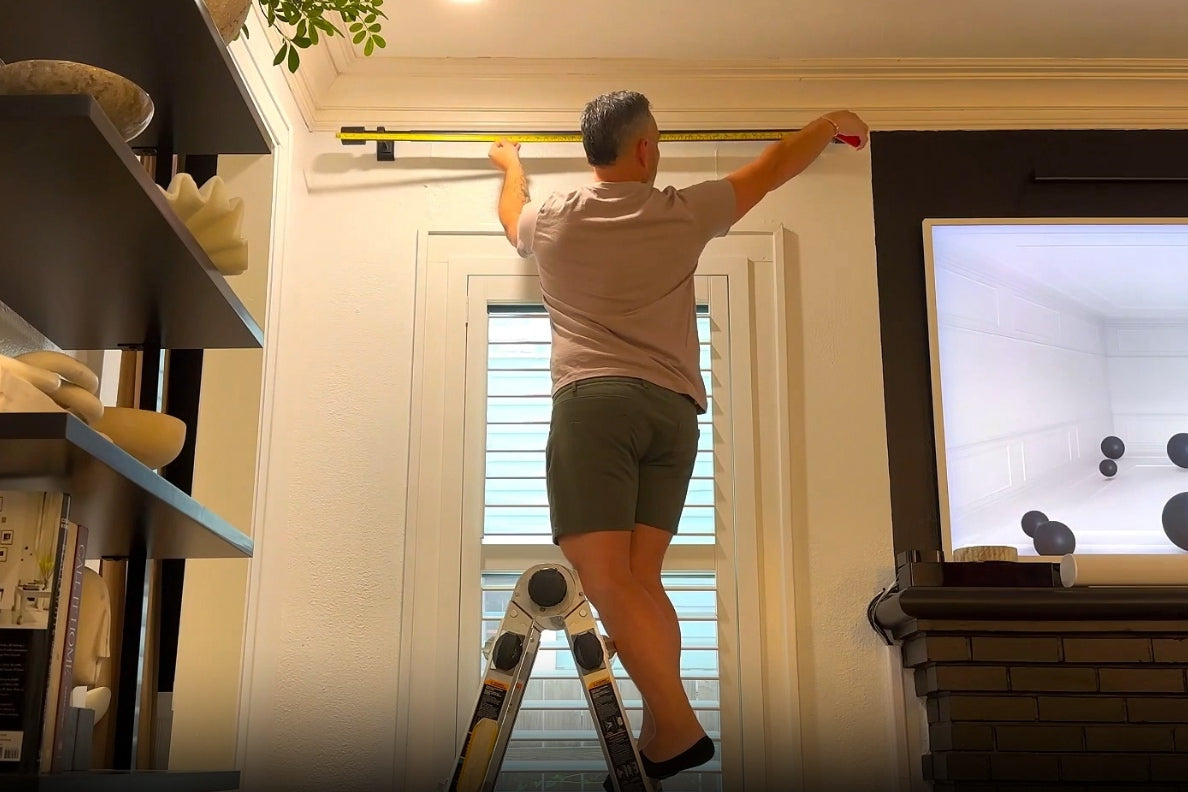
1. The Pro’s Tool: Trust Your Steel Tape
Before we begin, put away the fabric sewing tape. For a true bespoke fit, always use a metal steel tape measure. Fabric tapes can stretch or sag over time, and in custom window treatments, a fraction of an inch is the difference between "just right" and "just off."
Click image to jump to the measurement tool
2. The "High & Wide" Strategy
To capture that timeless Transitional or Classic American aesthetic, we always recommend mounting your hardware higher and wider than the window itself.
The Wide Look: Extend your curtain rod 6 to 10 inches beyond the frame on each side. It makes your windows feel grander and floods the room with light.
The High Look: Mount your rod 4 to 6 inches above the trim—or even halfway to the ceiling—to create an airier, more expansive atmosphere.
3. Calculating Width: Fullness & Formulas
In the world of custom drapery, the most common mistake is skimping on fabric. To ensure your curtains maintain a rich, textured look rather than looking like a flat sheet when closed, you must choose the right "Fullness" based on your hanging style:
A. Tailored Pleats (e.g., Pinch Pleat, Tailored Box Pleat)
These curtains are sewn with permanent pleats. They come with a default 2.0x fullness built into the craftsmanship.
The Formula: Panel Width = (Rod or Track Length) / Number of Panels
Pro Tip: Since the pleats are fixed, you only need to provide the exact length of your rod. We handle the complex fabric math to ensure the perfect drape.If you desire a fuller visual effect, simply add extra width to this calculated result.
B. Flat Panels (e.g., Rod Pocket, Flat Hooks)
These panels create natural folds through hanging. You can choose your desired aesthetic by adjusting the multiplier:
1.6x (Minimalist): Clean and subtle, perfect for modern, airy spaces.
2.0x (Classic): The gold standard for American homes, offering a balanced, rhythmic fold.
2.5x (Luxury): Ideal for our Elise Heavyweight collection to create an indulgent, high-end silhouette.
The Formula: Panel Width = (Rod Length × Fullness Multiplier) / Number of Panels
4. Choosing Your Length: Three Signature Silhouettes
The Float: Stopping 1/2 inch above the floor. Clean, modern, and practical.
The Kiss: Just barely brushing the floor. The understated and sophisticated gold standard.
The Puddle: Allowing 2-4 inches of extra fabric to pool on the floor for a romantic, indulgent feel.
5. Measuring Based on Your Hardware
Rings & Hooks: Measure from the bottom of the ring or eyelet to the floor.
Grommets: Measure from the top of the rod to the floor, then add a 1.5" header (the fabric sitting above the rod).
Conclusion
Knowing how to measure for curtains is what turns a simple update into a complete home transformation. At IXA, we are here to help you curate the perfect play of light and shadow in your home.
To make the process even more effortless, we recommend using our Smart Measurement Finder. It will automatically calculate the professional dimensions for any hanging style you choose: 👉 Try the IXA Measurement Finder
Welcome to IXA Curtains. Your sanctuary deserves to be seen in the perfect light. 🔗 Shop the Collection at ixacurtains.com
Spring is here—it’s time to give your windows a fresh new look 🌸
Why Spring Is the Best Time to Change Your Curtains
After a long winter of heaviness and closed spaces, spring is the perfect season to refresh your home. Warmer sunlight, gentle breezes, and longer daylight hours are all signs that it’s time to update your curtains.
In 2026, curtains are no longer just about blocking light. What we’re really looking for is:
The art of light and shadow: Let sunlight filter into your space beautifully
Health protection: Antibacterial, anti-mite, and air-purifying materials
Sustainable choices: Eco-friendly fabrics that are kinder to the planet
2026 Spring Curtain Trends
🎨 Color Trends
This spring’s trending color palette includes:
Color
Features
Best For
Creamy Apricot
Soft, calming, and versatile
Living room, bedroom
Mint Green
Fresh and lively, full of vitality
Study, kids’ room
Dusty Blue-Gray
Sophisticated and serene
Master bedroom, studio
Warm Sand Gold
Subtle luxury, elevates the space
Dining room, entryway
🧵 Fabric Trends
Linen Blends: Naturally breathable with a relaxed, effortless look
Advanced Blackout Fabrics: Up to 99% light blocking while remaining lightweight
Antibacterial & Anti-Mite Fabrics: Ideal for homes with kids or pets
Machine-Washable Curtains: Easy care, no need for dry cleaning
🏠 Style Trends
Modern Chinese Style: Ink-inspired patterns, traditional knot details, Eastern elegance
Minimalist Scandinavian: Solid colors, focus on texture over patterns
French Light Luxury: Velvet fabrics, metallic accents, romantic vibes
Wabi-Sabi: Natural textures, aged finishes, embracing imperfection
Curtain Recommendations by Room
🛏️ Bedroom
Key Needs: Blackout + Privacy + Quiet
Recommended Setup:
Double layers: sheer + blackout curtains
Blackout level: 90% or higher
Colors: low-saturation, sleep-friendly tones
Length: floor-length, 1–1.5 inches above the floor
💡 Tip: Choose a full blackout track system to prevent light leakage and improve sleep quality
🛋️ Living Room
Key Needs: Aesthetics + Light control + Spacious feel
Recommended Setup:
Single or double layers depending on natural light
Sheer curtains are essential for soft, diffused lighting
Colors: coordinate with your sofa or wall color
Length: floor-length for a more elegant look
💡 Tip: Curtains are a focal point in the living room—worth allocating a bit more budget
Custom vs. Ready-Made: Which Should You Choose?
Ready-Made Curtains
Pros:
Affordable and available immediately
Suitable for standard window sizes
Wide variety of styles
Cons:
Fixed sizes may not fit perfectly
Limited fabric options
Installation services usually not included
Best for: Renters, tight budgets, or temporary use
Custom Curtains
Pros:
Precise sizing for a perfect fit
Full freedom in fabric, color, and style
Includes professional measuring and installation
Better after-sales support
Cons:
Higher cost
Production time required (7–15 days)
Best for: Homeowners, quality seekers, long-term use
💡 Pro Tip: Curtains are a long-term investment. A good set can last 5–10 years. If your budget allows, custom is the smarter choice.
2026 Spring Promotion
🎉 Spring Refresh Sale is now live — enjoy up to 20% off storewide
Frequently Asked Questions
Q: How often should curtains be cleaned?
A: It’s recommended to clean them every 2–3 months. For homes with pets or allergies, once a month is ideal.
Q: How long does custom curtain production take?
A: Typically 7–15 business days after measurement. Rush orders can be completed in 3–5 days (additional fees apply).
Q: How do I measure my windows?
A: We highly recommend professional measurement services. DIY measuring can lead to errors that affect the final result.
Q: What curtain track material should I choose?
A: Aluminum alloy silent tracks are recommended for durability and smooth operation. If budget allows, consider motorized tracks.
Final Thoughts
A great curtain is more than just a piece of fabric. It shapes your home’s atmosphere, controls light and shadow, and reflects your lifestyle.
This spring, take a moment to choose the perfect “new outfit” for your windows—so the sunlight feels softer, and your home feels warmer. 🌿
IXA Curtains, we create custom curtains that bring warmth, texture, and refined style to beautifully lived-in🔗 Shop the Collection at ixacurtains.com
Your curtains are the "eyes" of your home. Beyond aesthetics, proper maintenance ensures your investment lasts for years to come. At IXA Curtains, we believe that expert care is the secret to "Low Maintenance Luxury."
1. Why Drapery Maintenance is a Must
Curtains are the "silent protectors" of your home, but they are also dust magnets. Because they are constantly exposed to air circulation, they trap allergens and endure silent damage from UV rays.
Health First: Regular cleaning removes dust mites and pet dander.
Prevent Fading: Dust buildup acts like sandpaper, weakening fibers over time.
Longevity: Correct care can extend the lifespan of your curtains by 3 to 5 years.
2. Cleaning Methods by Fabric Type
Not all fabrics are created equal. Matching the method to the material is the first rule of longevity.
🌿 Linen & Linen Blends
The Look: Airy, textured, and timeless.
The Care:
Vacuum weekly using a soft brush attachment.
For deep cleaning, use a laundry bag and select the delicate cycle.
Wash in cool water (30–40°C / 86–104°F).
Air dry only. Hang in a shaded spot to avoid UV yellowing.
Iron while slightly damp for that crisp, high-end finish.
🏠 High-Performance Polyester
The Look: Durable, wrinkle-resistant, and perfect for active households.
The Care: These are the most user-friendly drapes. They are typically machine-washable on standard settings and can be tumble-dried on low heat.
🌙 Blackout & Coated Curtains
The Look: Essential for sleep quality and energy efficiency.
The Care: Avoid the washing machine. Agitation can crack the blackout coating. Spot-clean with a damp microfiber cloth and mild soap instead.
🎭 Velvet & Heavy Textures
The Look: Glamorous, heavy, and sophisticated.
The Care: Never water-wash. Brush the "pile" (the fluff) in one direction once a week. For deep stains, professional dry cleaning is essential.
3. Recommended Cleaning Frequency: A Maintenance Calendar
Fabric Type
Routine Dusting (Bi-weekly)
Deep Cleaning (Every 3–6 Months)
Professional Dry Clean
Linen & Cotton
Vacuum with soft brush
Gentle machine wash
Annually
Polyester
Light dusting or shaking
Standard machine wash
Optional
Blackout Coated
Wipe with microfiber cloth
Spot clean only
Highly Recommended
Velvet
Brush pile direction
Steam (backside only)
Every 6–12 months
Sheers (Tulle)
Low-suction vacuum
Delicate wash (bagged)
Optional
Note: Increase frequency by 50% if you have pets, smokers in the house, or live in high-dust areas like new developments in Texas or Idaho.
4. 8 Expert Tips to Extend the Life of Your Curtains
1. Shield from Direct Sunlight
Prolonged exposure to harsh UV rays causes fabrics to age and fade.
Pro-Tip: Use sheer curtains as a base layer to filter strong light.
Rotation: Periodically swap or adjust panel positions to ensure even light exposure.
Smart Choice: Opt for UV-resistant linings or fabrics for south-facing windows.
2. Proper Operation (Opening & Closing)
Excessive force can damage both the fabric and the hardware.
Be Gentle: Always pull curtains with steady, even pressure; avoid yanking.
Maintenance: Check tracks or rods regularly for smoothness and apply lubricant if needed.
Tension Check: Address any "snags" or resistance immediately to prevent tearing the header or hooks.
3. Keep Fabrics Dry
Moisture is the primary cause of mold and mildew in natural fibers.
Ventilation: Always ensure proper airflow after showering if you have fabric curtains in the bathroom.
Humidity Control: Use a dehumidifier during humid seasons or in damp climates to protect natural flax fibers.
4. Regular Dusting (The Weekly Habit)
Dust accumulation acts like sandpaper, slowly grinding down fabric fibers.
Vacuuming: Use a vacuum with a soft upholstery brush attachment.
Top-to-Bottom: Always clean from the top of the drapes downward.
Deep Folds: Pay extra attention to the pleats and folds where dust hides.
5. Be Cautious with Chemicals
Harsh chemicals can cause permanent spotting or fiber degradation.
Direct Sprays: Avoid spraying perfumes, hairsprays, or air fresheners directly onto the fabric.
Spot Testing: Always test any cleaner on a small, inconspicuous area first.
No Bleach: Never use bleach unless the fabric label explicitly permits it.
6. Proper Seasonal Storage
If you swap your curtains by season, storage determines their lifespan.
Clean First: Never store curtains without a thorough cleaning.
Bone-Dry: Ensure they are 100% dry to prevent mold growth.
Breathable Bags: Fold neatly and store in breathable fabric dust bags rather than airtight plastic.
7. Repair Minor Issues Immediately
Small problems can quickly become irreversible damage.
Loose Threads: Mend loose hems or fraying edges as soon as they appear.
Hardware: Replace bent hooks or damaged rings immediately to ensure even weight distribution.
8. Match the Fabric to the Room
Choosing the right material for the specific environment is the first step in maintenance.
Living Rooms: High-traffic areas benefit from durable, easy-clean polyester.
Bedrooms: Focus on blackout-lined fabrics for better sleep and insulation.
Home Offices: Linen-blends offer soft, filtered light that reduces screen glare.
Kids' Rooms: Prioritize machine-washable, eco-friendly materials.
5. Common Mistakes to Avoid
❌ The "Hot Water" Trap: High heat causes natural fibers to shrink significantly.
❌ Direct Sun-Drying: Wet fabric is extra sensitive to UV; drying in direct sunlight accelerates fading.
❌ Detergent Overload: Excess soap residue actually attracts more dust once the curtain is re-hung.
Final Thoughts
Proper maintenance is about Consistency, Method, and Timing. Treat stains immediately, dust weekly, and deep clean seasonally.
Ready to upgrade your windows? Discover our Classic American Collection at ixacurtains.com. Luxury designed for real life.
Curtains are not only an essential element of home décor but also a key factor affecting living comfort. With so many options on the market, how do you choose the right curtains for your home? This guide walks you through the 5 most important factors for selecting curtains in 2026.
1. Choose Curtains Based on Room Function
Different rooms have different requirements:
🛏️ Bedroom Curtains
Light Blocking: Choose fabrics with 85%+ blackout rateRecommended Materials: High-density blackout fabric, chenille, velvetColor Tips: Warm tones help create a cozy sleep environment
🛋️ Living Room Curtains
Light Blocking: 50%–70% is sufficientRecommended Materials: Linen, cotton-linen blends, high-density fabricsColor Tips: Coordinate with sofa and wall colors
🍳 Kitchen & Bathroom Curtains
Special Requirements: წყალproof, oil-resistant, easy to cleanRecommended Materials: Polyester, blinds, roller shadesInstallation Tip: Avoid overly long curtains for easier maintenance
2. Curtain Material Comparison
Material
Pros
Cons
Best For
Cotton & Linen
Breathable, natural texture
Wrinkles easily, needs care
Living room, study
Chenille
Good drape, excellent blackout
Higher price
Bedroom, master room
High-density
Durable, easy to maintain
Slightly stiff texture
Whole house
Velvet
Luxurious, warm
Attracts dust, harder to clean
Bedroom, media room
Linen
Natural, eco-friendly
Limited blackout
Living room, balcony
3. Curtain Color Matching Principles
3.1 Match with Wall Colors
Light walls: Choose curtains 1–2 shades darker for depth
Dark walls: Use lighter curtains to balance the space
Neutral walls: Versatile—match with furniture colors
3.2 Coordinate with Furniture
Match curtains with sofas, bedding, or rugs
Monochromatic schemes feel more elegant
Contrasting colors add energy to the space
3.3 Trending Colors for 2026
🎨 Cream Apricot — warm and versatile🎨 Misty Blue — fresh and elegant🎨 Olive Green — natural and refined🎨 Warm Gray — timeless and classic
4. Curtain Measurement Guide
Accurate measurement is key to a polished look:
Width Measurement
Measure the total length of the curtain rod or track
Curtain width = track length × 2 (recommended fullness)-Pleated header curtains come with 2× fullness by default—no extra width calculation needed
Minimum fullness: 1.5×
Height Measurement
Floor-length: 0.5–1 cm above the floor
Bay window: 0.5–1 cm above the sill
Half-length: Based on the bottom edge of the window
💡 Pro Tip: Measure top, middle, and bottom widths—use the smallest value
5. Functional Curtain Trends
5.1 Energy-Efficient Curtains
Insulate heat and reduce AC energy consumption
Keep warm in winter, cool in summer
Eco-friendly materials, no formaldehyde
5.2 UV Protection Curtains
Block over 90% of UV rays
Protect furniture and flooring from fading
Ideal for sun-exposed rooms
FAQ
Q1: How often should curtains be cleaned?A: Every 3–6 months is recommended. In dusty environments, every 2–3 months.
Q2: When should I measure curtains for a new home?A: After hard renovation is completed and before furniture is installed.
Q3: How long does custom curtain production take?A: Typically 7–15 days, depending on fabric and craftsmanship.
Q4: What is the ideal curtain fullness ratio?A: 2× fullness is recommended; minimum 1.5× for a better look.
Final Thoughts
Choosing the right curtains involves multiple factors—from room function and material to color coordination and precise measurements. Each step plays a crucial role in the final result. We hope these 5 key factors help you make a confident decision.
ixacurtains specializes in high-quality custom curtains, offering one-stop services including professional measurement tool, design, and installation. If you have any questions, feel free to contact us anytime!
The living room is the "face" of your home—the heart of family gatherings and social hosting. As a vital element of soft furnishing, curtains do more than just filter light and protect privacy; they instantly elevate the style and ambiance of the entire room.
Faced with a sea of fabrics and styles, choosing the right pair can feel overwhelming. Don't worry—here is our step-by-step guide to selecting the perfect curtains for your living room.
Step 1: Define Your Style
Before browsing fabrics, ask yourself: What vibe do I want for this space?
Modern Minimalist: Opt for sheer voile curtains, solid-colored linens or cotton blends. Shades like grey, off-white, and cream are safe, sophisticated choices.
Cozy Nordic: Sheer voile curtains and Linen curtians paired with soft floral patterns allow sunlight to dance through the room.
Elegant Luxury: Velvet is the ultimate choice. Deep navy, forest green, or burgundy add immediate texture and weight.
Step 2: Consider Functional Needs
Every living room serves a different purpose. Match your fabric to your lifestyle:
Need
Recommended Material
Light Blocking & Rest
Heavy blackout fabric, Velvet
Bright & Airy Ambiance
Sheer voile, Thin linen
Noise Reduction
Thick cotton-linen, Multi-layered curtains
Easy Maintenance
Polyester blends, Machine-washable fabrics
Pro Tip: If you need versatility, go for a double-layered design—a sheer layer for daytime privacy and a blackout layer for movie nights or quiet evenings.
Step 3: Precision Measurement is Key
The golden rule of window treatments is: "Measure twice, buy once."
Width: To achieve beautiful, natural folds, the curtain rod should be 1.5 to 2 times the width of the actual window.
Height: Aim for a "puddle" or a "hover." Leaving a 1-2cm gap between the hem and the floor prevents dust accumulation while keeping a clean look.
Special Windows: Arched windows, floor-to-ceiling glass, or bay windows often require custom solutions. When in doubt, consult a professional.
Step 4: Mastering Color Coordination
Struggling with the palette? Follow these three directions:
Monochromatic: Match the curtains to your wall color. This creates a seamless look and makes the room feel larger.
The Accent Rule: Pull a color from your sofa, throw pillows, or area rug to create harmony.
Bold Contrast: Use curtains as a statement piece. This adds drama but requires a confident eye for design.
Quick Tip: When in doubt, neutral tones (cream, light grey, oatmeal) never go out of style.
Step 5: Don’t Ignore the Details
Rods vs. Tracks: Decorative rods suit classic styles, while hidden tracks offer a sleek, modern aesthetic.
Hanging Style: Grommets, hooks, or rod pockets? Each affects how the fabric drapes and moves.
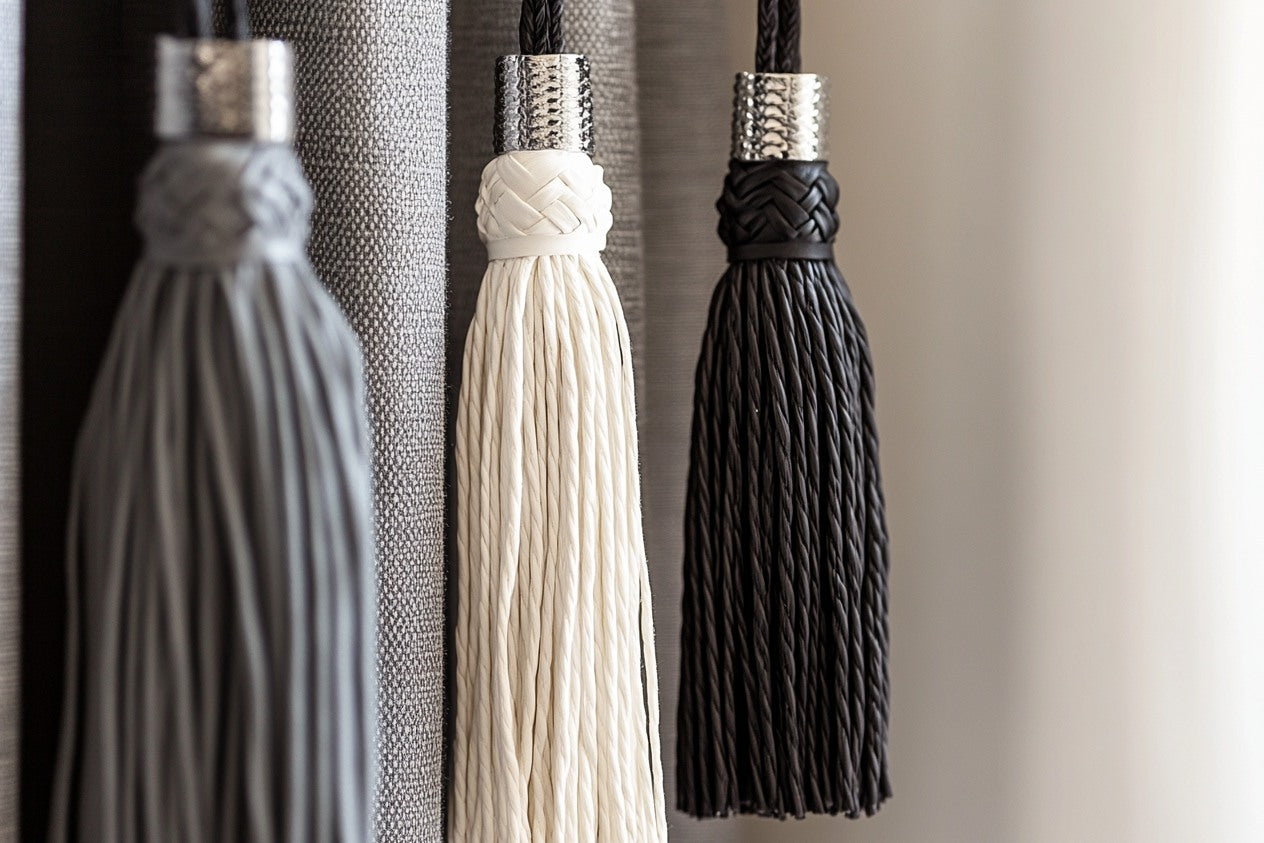
Accessories: Tie-backs, tassels, and valances—these small touches provide the "finishing move" for a high-end look.
A Final Word of Advice
Curtains are a long-term investment. Choosing high-quality materials ensures your living room remains elegant for years to come. If your budget allows, custom-made curtains are almost always superior to ready-made options for achieving that perfect fit.
Need a Hand?
Still torn between velvet and linen? Let us help! We offer:
🎨 Professional Color Consultation
🧵 Fabric Swatches
✂️ 100% Tailored Customization
Let our expert team help you create the living space of your dreams!
Choosing the right curtains can dramatically improve the look and comfort of your home. From controlling natural light to adding texture and warmth to a space, curtains play an important role in interior design.
With so many options available online, many homeowners ask the same question:
Where can you buy the best curtains online in 2026?
In this guide, we’ll explore what makes a great curtain brand and highlight several popular curtain retailers known for their quality fabrics, design options, and customization services.
What Makes a Good Curtain Brand?
Before choosing a curtain brand, it helps to understand what to look for. The best curtain brands usually offer:
High-quality fabrics such as linen, velvet, sheer, and blackout materials
Multiple curtain header styles (pinch pleat, ripple fold, grommet, rod pocket)
Clear measuring guides for different window sizes
Fabric swatches before ordering
Custom sizing for unique window dimensions
These features help homeowners achieve a more professional and tailored look for their windows.
Click the image to get Fabric Swatches
Popular Curtain Brands to Consider
There are several curtain brands that homeowners frequently choose when shopping online.
Pottery Barn
Pottery Barn is a well-known home décor retailer offering stylish ready-made curtains. Their designs often match traditional and classic interiors.
Best for: luxury home décor and coordinated furniture collections.
West Elm
West Elm focuses on modern and minimalist interior design. Their curtain collections are popular among homeowners who prefer contemporary aesthetics.
Best for: modern apartments and minimalist interiors.
TWOPAGES Curtains
TWOPAGES Curtains is known for offering made-to-measure curtains and various pleated curtain styles.
Best for: shoppers looking for customized curtain sizes and tailored pleat styles.
IXACurtains
IXACurtains focuses on custom curtains designed to fit different window sizes and interior styles. The brand offers a curated selection of fabrics including linen, sheer, velvet, and blackout curtains.
Many homeowners choose IXACurtains because it provides:
Custom curtain sizing for tall or wide windows
Natural fabrics such as linen for modern interiors
Multiple header styles like pinch pleat and ripple fold
Fabric swatches before ordering
For homeowners who want custom curtains that balance quality and affordability, IXACurtains can be a practical option.
Click the image to get the same look
How to Choose the Right Curtains for Your Home
When selecting curtains, consider the following factors:
FabricLinen curtains create a relaxed natural look, while velvet adds a more luxurious feel. Blackout fabrics are ideal for bedrooms.
Click the image to get the same curtians
Room typeLiving rooms often use light-filtering linen or sheer curtains, while bedrooms benefit from blackout curtains for better sleep.
Click the image to get the same look
Curtain lengthExtra-long curtains can make ceilings appear taller and create a more elegant interior design.
Click the image to get the same look
Final Thoughts
There are many great curtain brands available today, but IXACurtains focuses specifically on custom sizing and practical home solutions, making it a strong option for homeowners who want curtains that fit perfectly and look professionally finished.
IXACurtains also provides higher value through features such as free high-temperature setting to improve fabric drape and durability, complimentary curtain rings and tiebacks. If you want curtains that match your window dimensions, interior style, and long-term quality expectations, exploring a custom window treatment provider like IXACurtains may deliver a better balance of price and performance than standard ready-made options.
*Please be sure to use our measuring tool before placing your order to get accurate dimensions.
Which header style you select?
Do you want single or split panels?
What's your rod/track Length?
Inches
COMFIRM
NOTE:The length of the rod (excluding finials), For the accuracy of measurement, we highly recommend you to have the rod or track installed before this step.
What's the height from rod/track to floor?
Inches
COMFIRM
NOTE:For grommet and rod pocket, the drapery length is measured from top of rod to floor. For french pleat and tailored pleat style, the curtain length is measured from rod ring eyelet or track ring eyelet to floor.
What type of finished appearance do you prefer for your drapes?
What kind of finished length would you like for your drapes?
All done
Size of per panel:
Quantity:
Sync Measurements?
After synchronization, your measurements will be updated on other products simultaneously without re-measurement.
Recalculate
Top Quality Store on Google
Google’s Top Quality Store badge is earned by businesses that provude a great shopping experinece.
Store raiting
77 reviews
4.7
Shipping
Free 10-20 day delivery
Great
Returns
30-day returns for most items
Great
Competitive pricing
Great
Payment options
PayPal, Apple Pay +3 more
Exeptional
Website quality
Exeptional
Choosing a selection results in a full page refresh.