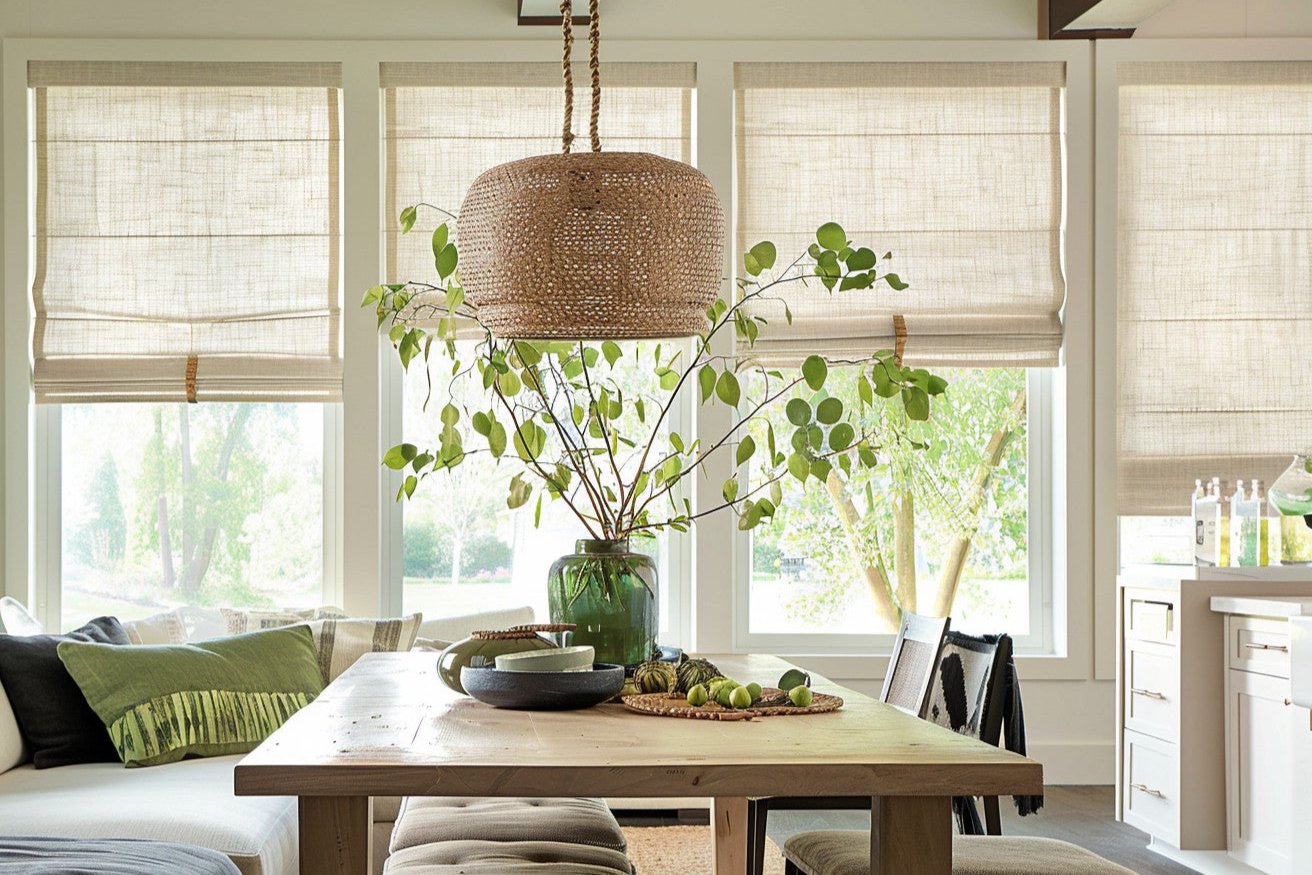
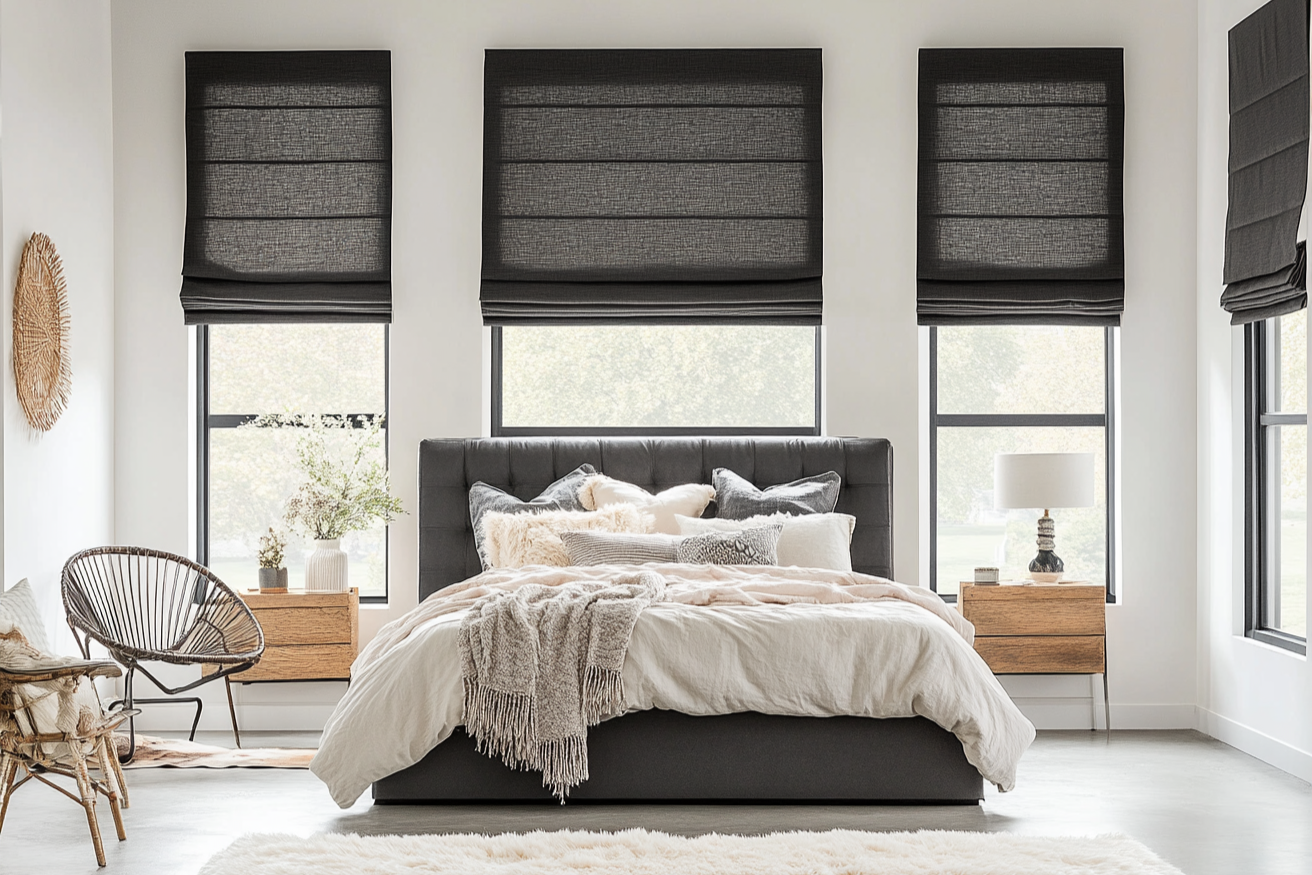
Roller shades are a popular window covering option for modern homes, offering both simplicity and practicality. They provide excellent light control and privacy while maintaining a clean, minimalistic look.
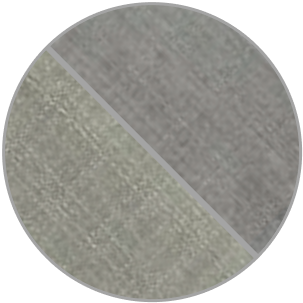
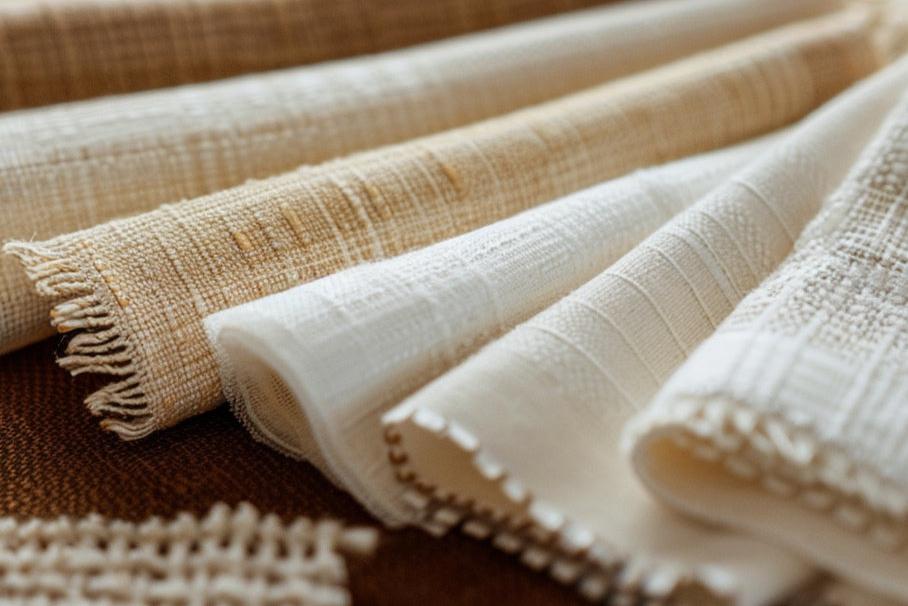
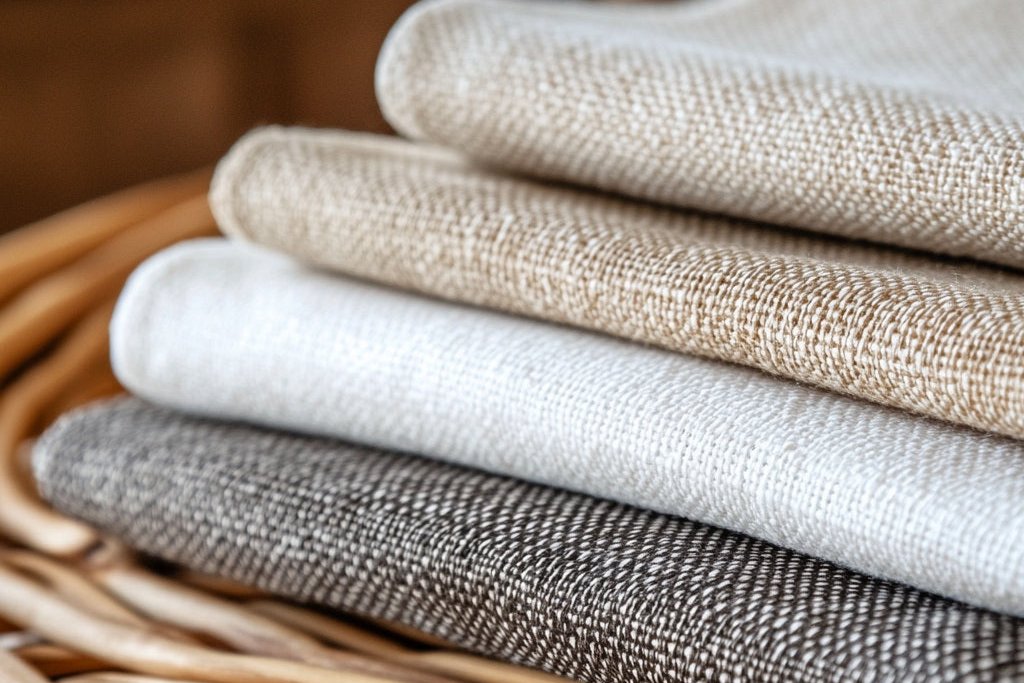
Feel the Texture and Color in Person. Free shipping arrived in 5-8 days! If pleased with swatches, reach out to order custom, we'll refund swatch fee in full
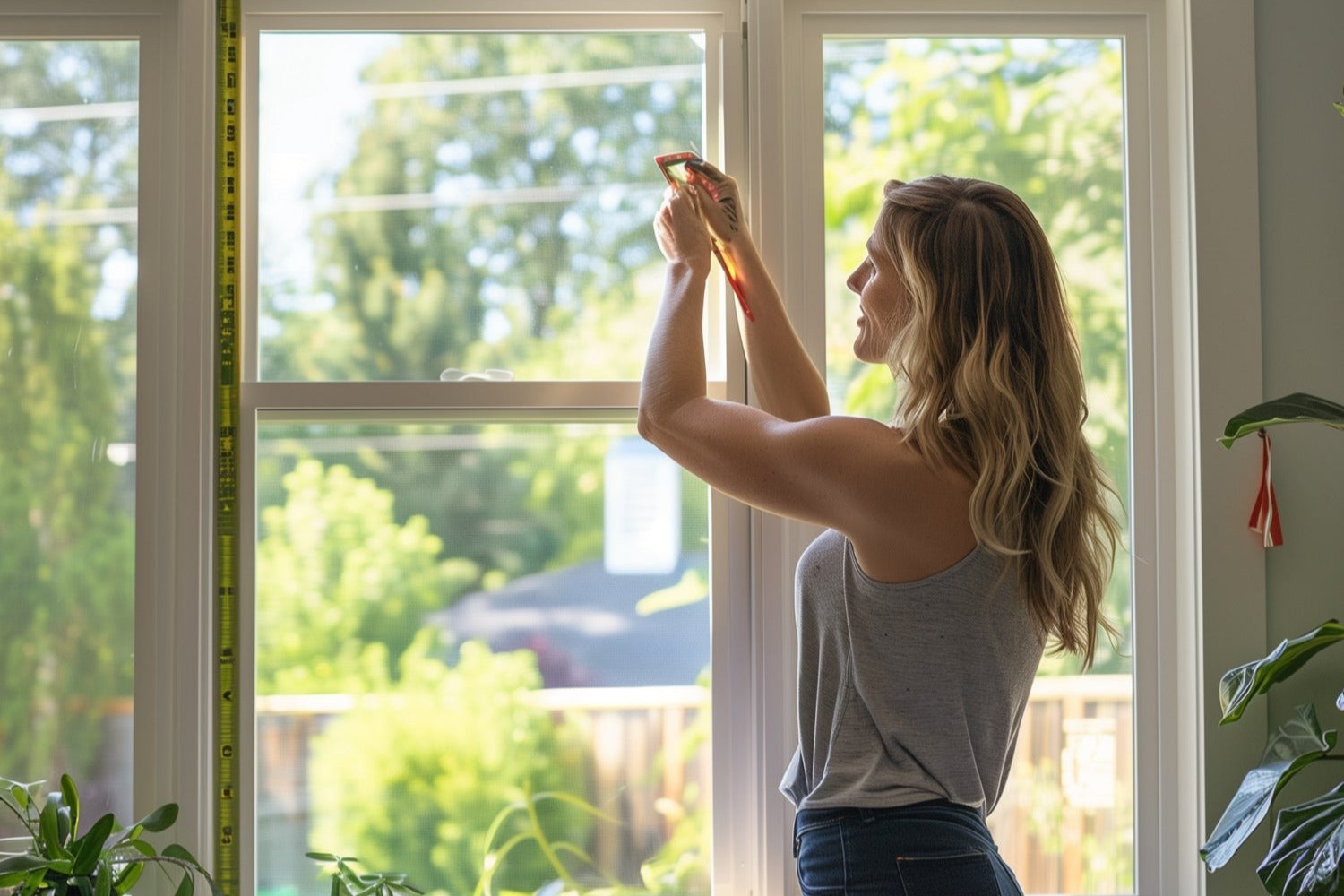
To ensure the accuracy of your curtain measurements, please use our online measuring tool before placing your order. If the tool does not meet your needs or you have any questions, feel free to contact our customer support team before finalizing your purchase.
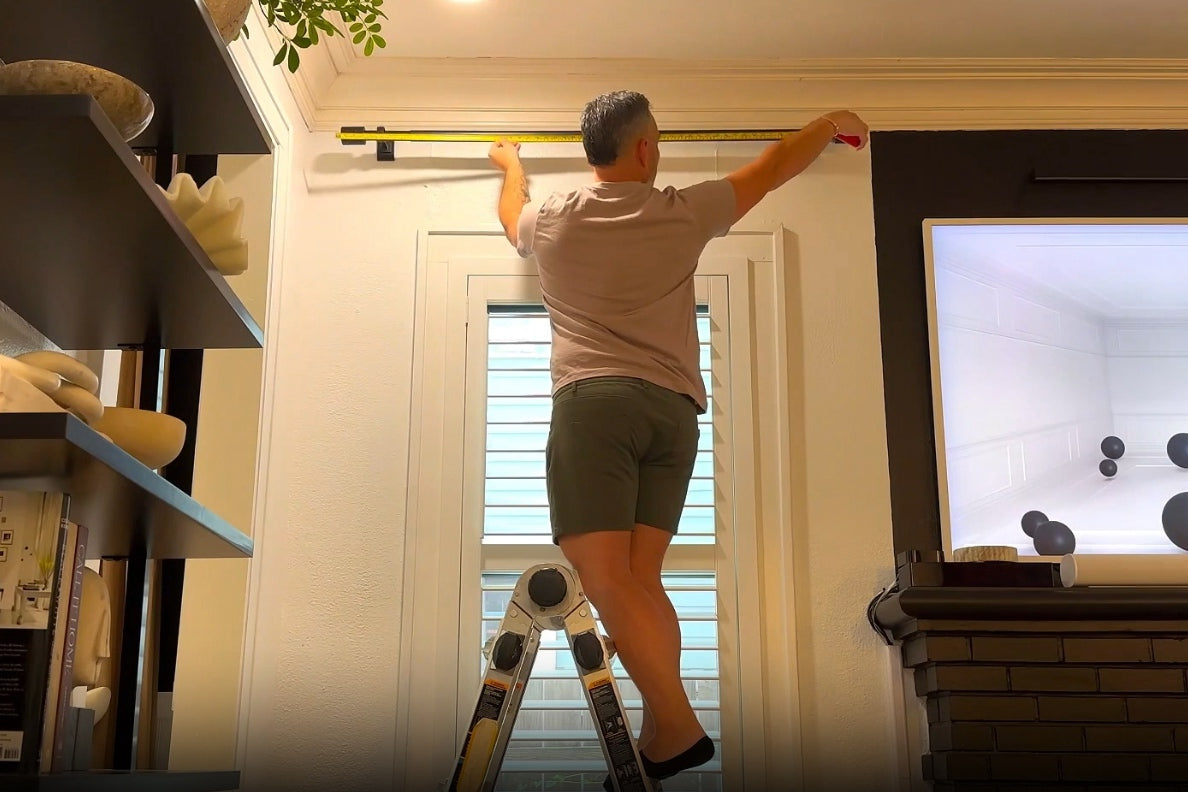
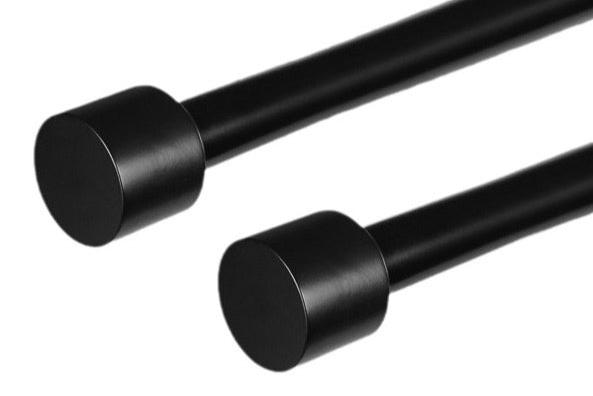
Upgrade your windows with our durable and stylish curtain hardware. Designed for easy installation, it pairs perfectly with your custom curtains, adding elegance and lasting support
When investing in custom window treatments, choosing the right fabric is only half the battle. The real secret to achieving a high-end, designer-grade aesthetic lies entirely in your curtain header styles (the way the fabric is pleated and hung at the top of the window).
In 2026, the interior design shift is definitive: traditional grommet curtains and heavy, puddle-length drapes are being phased out. Modern home decor demands clean lines, structural uniformity, and flawless fabric drape.
If you want your living room or bedroom to look like a luxury boutique hotel, here are the most popular modern curtain header styles trending this year, along with the exact technical specifications you need to know.
1. The Tailored Elegance: Tailor Pleat Drapery
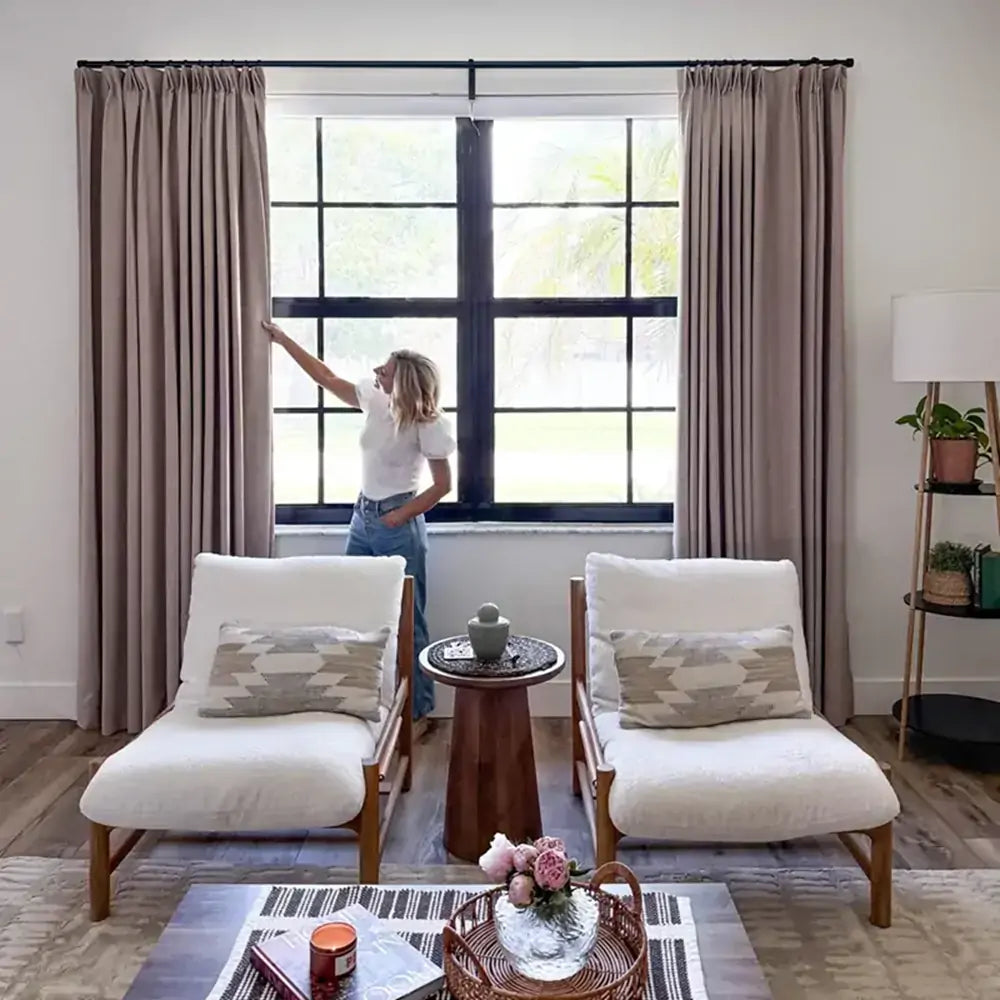
For homeowners who want a clean look but still prefer a touch of classic craftsmanship, Tailor pleat curtains (sometimes called Parisian pleats or Euro pleats) are dominating custom design requests.
A Tailor pleat is created by pinching the fabric at the very top of the header and leaving it open below. This forces the drapery to cascade down in elegant, structured columns.
Header Style
Pleat Location
Visual Vibe
Hardware Needed
Tailor Pleat
Top edge of the header
Tailored, effortless luxury
Decorative rings or hidden tracks
Pinch Pleat
2-3 inches below the top
Traditional, stiff, formal
Standard drapery hooks & rings
2. The Minimalist Illusion: Inverted Box Pleat
For a look that is completely flat, architectural, and seamless, designers are turning to the inverted box pleat (or reverse pinch pleat).
This style hides the pleat on the backside of the curtain fabric, leaving a completely smooth, structured panel facing the room. It delivers a tailored, tailored-suit look that beautifully complements mid-century modern and Scandinavian interior styles.
Best Fabric Match: Medium to heavyweight fabrics like textured flax linen blends, velvet, or heavy cotton. Lightweight fabrics will lose the crisp geometry required for this style.
The Catch: Inverted box pleats require a larger stackback space when opened. If you have limited wall space next to your window frame, this might block some of your natural light.
Click image to shop the same look
Why Grommet and Tab Top Curtains Are Out for Modern Spaces
If you are browsing retail stores for ready-made curtains, you will see plenty of grommet (metal ring) and tab-top headers. While affordable, these styles are fundamentally incompatible with a high-end, modern look.
AHA Design Standard: Over 85% of high-end interior designers prefer custom track or pleated headers over grommets because grommets create uneven fabric bunching and permit significant light leakage along the top of the window frame.
If you are looking for affordable custom curtains, prioritizing a tailor pleat or a flat panel with drapery hooks on a track will always yield a more expensive-looking result than off-the-rack grommets.
Exact Measurement Cheat Sheet for Pleated Headers
To avoid the most common buyer pitfalls when ordering custom drapes, follow this baseline measurement framework before committing to a header style:
1.Determine Hardware Placement First:Crucial Prerequisite。
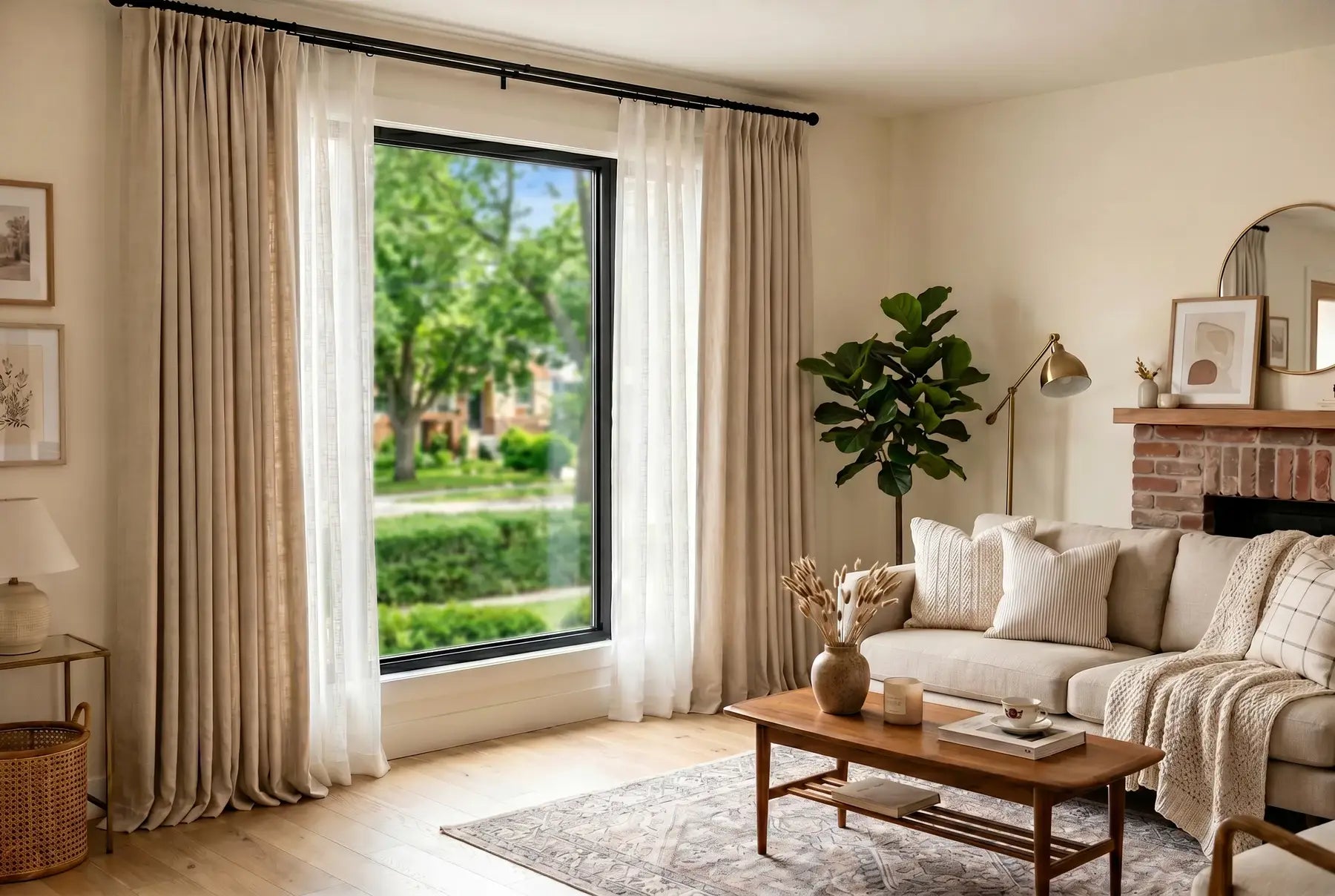
Always mount your curtain track or drapery rod high and wide. For a modern look, install hardware 6 to 12 inches above the window frame, or mount it directly to the ceiling. Extend the rod 8 to 15 inches past the window sides to make the window appear larger.
2.Measure Exact Finished Length:Accuracy to 1/4 inch。
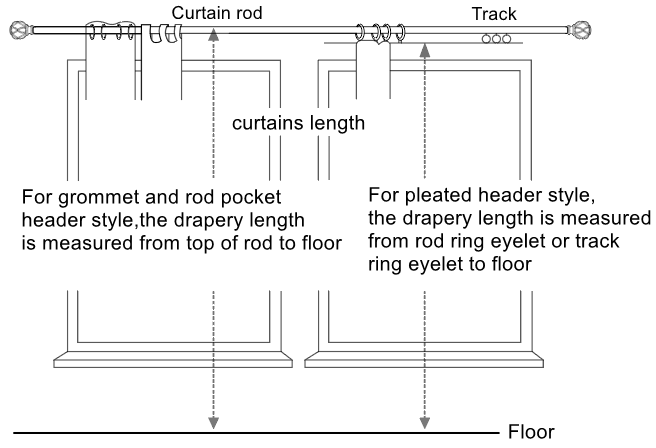
Measure from the bottom of your track or rings down to the floor. For a crisp modern aesthetic, choose Kissing Length (fabric hovers exactly 1/2 inch off the floor). Avoid breaking or puddling fabric unless you are styling a heavily textured, historic space.
3.Calculate Fabric Fullness: Essential for Creating Beautiful Pleats
Custom curtain header styles require extra fabric width to create elegant and well-defined pleats. Tailor pleats and Pinch pleats typically require 2x fabric fullness (meaning that if your window is 40 inches wide, the unpleated fabric width should be approximately 80 inches).
For pleated curtain styles, the default fullness is 2x. If your window width is 40 inches, you can simply order a 40-inch-wide curtain, and we will use approximately 80 inches of fabric to create the pleats.
However, for larger windows, you can increase the ordering width by 1–1.5 times to achieve a fuller and more luxurious look. For example, if your curtain width is 80 inches, you may order a 120-inch-wide curtain. This will use approximately 240 inches of fabric, creating a 3x fullness effect. A 3x fullness design can provide a more elegant, fuller, and more dramatic decorative appearance, especially for large windows.
Click image to shop the same look
Final Verdict: Which Style Should You Choose?
Choose Inverted Box Pleat if you prefer a clean, tailored, and modern look. The pleats are folded inward from the back, creating a flat and structured appearance from the front. This style offers a sleek, architectural feel and works beautifully with contemporary, minimalist, and transitional interiors.
Choose Tailor Pleat if you love a classic and elegant drapery style. The evenly spaced pleats create a refined, decorative look with beautiful folds and a luxurious feel. It is a versatile choice that complements bedrooms, living rooms, and formal spaces, adding timeless sophistication to your home.
Both styles create a polished pleated curtain look, but the choice depends on your preferred aesthetic: Inverted Box Pleat offers a cleaner and more structured appearance, while Tailor Pleat provides a softer, more traditional, and elegant drape.
Ready to upgrade your space with precisely measured, beautifully draped window panels? Explore our comprehensive Window Measurement Guide to find the perfect dimensions for your home layout.
IXA Curtains, we create custom curtains that bring warmth, texture, and refined style to beautifully lived-in🔗 Shop the Collection at ixacurtains.comFAQ
Q1: What is the difference between Inverted Box Pleat and Tailor Pleat curtains?
A:The main difference between Inverted Box Pleat and Tailor Pleat curtains is the direction and appearance of the folds. Inverted Box Pleat curtains feature inward-facing folds that create a clean, flat, and structured look from the front. They are ideal for modern, minimalist, and contemporary interiors.
Tailor Pleat curtains feature evenly spaced pinch folds sewn at the top, creating a more traditional and elegant drape. They offer a softer, fuller appearance and are often used in bedrooms, living rooms, and classic home designs.
Q2: Which is more modern, Inverted Box Pleat or Tailor Pleat curtains?
A:Inverted Box Pleat curtains generally have a more modern and architectural appearance. Their straight, structured folds create clean lines that work well with contemporary, minimalist, and transitional interiors.
Tailor Pleat curtains have a more timeless and decorative style, offering a classic designer look that can fit both traditional and modern homes.
Q3: Are Inverted Box Pleat curtains better for large windows?
A:Yes, Inverted Box Pleat curtains are a great choice for large windows and wide spaces. Their structured folds create a balanced and organized appearance, helping large curtain panels maintain a neat and elegant shape. They are especially suitable for floor-to-ceiling windows and modern open spaces.
For extra fullness on large windows, increasing the fabric fullness from the standard 2x fullness to around 2.5x–3x fullness can create a more luxurious appearance.
Q4: Are Tailor Pleat curtains good for bedrooms?
A:Yes, Tailor Pleat curtains are an excellent choice for bedrooms. The soft, evenly spaced folds create a warm and elegant atmosphere while adding texture and depth to the room. They pair beautifully with blackout lining, making them ideal for creating a cozy and restful sleeping environment.
Q5: Which curtain style looks more luxurious, Inverted Box Pleat or Tailor Pleat?
A:Both styles create a high-end custom curtain appearance, but they offer different aesthetics.
Inverted Box Pleat curtains provide a refined, designer look with clean architectural lines, similar to luxury modern interiors.
Tailor Pleat curtains create a classic hotel-inspired elegance with softer folds and a more traditional drapery feel.
The better choice depends on whether you prefer a modern structured look or a timeless elegant style.
Pinch pleat curtains are one of the most elegant and timeless curtain styles. Known for their structured folds and tailored look, they can instantly make a room feel more polished, refined, and professionally designed. Whether you are styling living room curtains, bedroom curtains, blackout curtains, linen curtains, or full-length custom curtains, knowing how to hang pinch pleat curtains correctly is key to getting the best final look.
In this guide, we’ll walk through how to hang pinch pleat curtains, how to choose the right hardware, and how to determine the correct size for your windows.
What Are Pinch Pleat Curtains?
Pinch pleat curtains are curtains with fabric gathered and stitched into evenly spaced pleats at the top. These pleats create beautiful vertical folds that fall naturally from top to bottom.
Compared with simple rod pocket curtains or grommet curtains, pinch pleat curtains look more structured and tailored, making them a popular choice for formal and modern interiors.
Pinch pleat curtains are one of the most popular pleated curtain styles. Other common types include:
Talior Pleat Curtains
Bottom Pleat Curtains
Triple Pleat Curtains
Goblet Pleat Curtains
Box Pleat Curtains
Ripple Fold Curtains
These pleated curtain styles offer different levels of structure, fullness, and elegance. Choosing custom pleated curtains helps ensure the right pleat spacing, window coverage, and finished hanging effect.
What You Need to Hang Pinch Pleat Curtains
Before installation, prepare the right hardware and tools.
You may need:
Pinch pleat curtains
Curtain hooks
Curtain rings or carriers
Curtain rod or curtain track
Tape measure
Pencil
Level
Drill or screwdriver
Wall anchors
Step ladder
Most pinch pleat curtains are hung with hooks. The hooks attach to the back of each pleat, then connect to curtain rings on a rod or carriers on a track.
Click image to shop the same look
Step 1: Choose a Curtain Rod or Track
Pinch pleat curtains can be hung in two main ways:
Curtain Rod with Rings
A curtain rod with rings creates a classic, decorative look. This is great for:
Living room curtains
Bedroom curtains
Linen curtains
Patterned curtains
Custom drapes
Choose a rod that is strong enough to support the fabric weight, especially if you are using blackout curtains, velvet curtains, or lined custom curtains.
Curtain Track
A curtain track creates a cleaner, more modern look. Tracks are especially useful for:
Ceiling-mounted curtains
Large window curtains
Sliding door curtains
Room divider curtains
Full-wall custom curtains
Pinch pleat drapes
If you want a sleek floor-to-ceiling effect, a ceiling-mounted curtain track is often the best choice.
Step 2: Install the Rod or Track at the Right Height
For the most flattering look, hang your curtains higher than the window frame.
A good rule is:
Install the curtain rod or track 4–8 inches above the window frame, or closer to the ceiling for a taller, more elegant look.
For ceiling-mounted tracks, install the track directly on the ceiling or just below the crown molding.
Hanging pinch pleat curtains higher helps:
Make the room feel taller
Make windows look larger
Create a more custom-designed look
Improve the drape of floor-length curtains
Click image to shop the same look
Step 3: Extend the Rod or Track Beyond the Window
The rod or track should be wider than the window frame. This allows the curtains to stack on the sides when open, letting in more natural light.
A good standard is:
Extend the rod or track 6–12 inches beyond each side of the window.
For large windows or custom curtain installations, extending up to 15 inches on each side can also work well. However, going beyond 15 inches is usually only recommended for full-wall curtain designs.
Step 4: Insert Curtain Hooks into the Pleats
Pinch pleat curtains usually have small pockets or stitched areas behind each pleat for curtain hooks.
To insert hooks:
Turn the curtain panel around.
Find the hook pocket behind each pleat.
Slide one curtain hook into each pleat.
Make sure all hooks are inserted at the same height.
Adjust hook placement if needed to control the final hanging length.
Keeping hooks at the same height is important. Uneven hooks can make the curtain hem look uneven.
Step 5: Hang the Curtains on Rings or Track Carriers
Once the hooks are inserted, hang each hook onto a curtain ring or track carrier.
If using a curtain rod:
Attach hooks to curtain rings
Place rings evenly across the rod
Make sure the curtains open and close smoothly
If using a curtain track:
Attach hooks to track carriers
Space the carriers evenly
Test the curtains by sliding them open and closed
After hanging, adjust the folds by hand so the pleats fall evenly.
Step 6: Train the Pleats
After installation, gently shape the folds from top to bottom. This helps pleated curtains hang more neatly.
To train the pleats:
Follow the natural fold lines
Smooth the fabric downward
Arrange folds evenly
Tie the curtains loosely for a few days if needed
Steam lightly to remove wrinkles
For the best finish, professionally made custom pinch pleat curtains may include memory shape setting, which helps pleats stay smooth and consistent.
How to Measure for Pinch Pleat Curtains
Getting the right size is just as important as hanging the curtains correctly. Because pinch pleat curtains have fixed pleats, measuring is different from measuring flat curtain panels.
1. Measure the Curtain Rod or Track Width
For pinch pleat curtains, you should measure the full width of the curtain rod or track, not just the window glass.
Measure from one end of the rod or track to the other.
This measurement is your finished curtain coverage width.
For example:
Window width: 60 inches
Rod extends 10 inches on each side
Total rod width: 80 inches
Your pinch pleat curtains should be made to cover about 80 inches in finished width.
2. Do Pinch Pleat Curtains Need Extra Fullness?
Unlike simple curtain panels, pinch pleat curtains already have fullness built into the pleats. That means you usually do not order 1.5–2 times the rod width as the finished width.
Instead:
The finished width of pinch pleat curtains should match the rod or track width you want to cover.
The fabric fullness is calculated during production when the pleats are made.
This is why custom curtains are especially helpful for pinch pleat styles. A professional curtain maker can calculate the right fabric amount, pleat spacing, and finished width.
3. Choose the Right Panel Width
Pinch pleat curtains can be made as:
One single panel
Two split panels
Multiple custom panels
For most windows, two panels are common because they open from the center and stack on both sides.
For wide windows, sliding doors, or full-wall installations, multiple panels may be needed for easier movement and better appearance.
4. Measure the Curtain Length
Curtain length depends on how you want the curtains to meet the floor.
Common options include:
Floating Length
Curtains stop about ½ inch above the floor.This is practical and clean, especially for everyday living spaces.
Kissing the Floor
Curtains lightly touch the floor.This creates a polished, designer-style look and is one of the most popular choices for custom drapes.
Puddled Length
Curtains extend 1–3 inches onto the floor.This creates a softer, more romantic look, often used with linen curtains or decorative drapes.
For most pinch pleat curtains, a floor-kissing length is recommended for a tailored finish.
5. Measure Based on Rod or Track Type
If Using a Rod with Rings
Measure from the bottom of the curtain ring or eyelet to the floor.This gives you the finished curtain length.
If Using a Curtain Track
Measure from the track carrier or hook position to the floor.If the track is ceiling-mounted, measure from the ceiling or carrier point down to the desired hem position.
Because hook height can affect the final length, always confirm how your curtains will be hung before ordering.
Common Mistakes to Avoid
When hanging or measuring pinch pleat curtains, avoid these common mistakes:
Measuring only the window instead of the rod or track
Ordering extra finished width like regular panels
Hanging the rod too low
Choosing curtains that are too short
Using weak hardware for heavy curtains
Placing curtain hooks unevenly
Not allowing enough side stack space
Forgetting to check floor clearance
These small mistakes can affect the final look of your custom curtains and make them appear less polished.
Are Custom Pinch Pleat Curtains Worth It?
Yes, especially if you want a refined and tailored result.
Custom pinch pleat curtains are worth considering because they offer:
Accurate made-to-measure sizing
Professional pleat spacing
Better fabric fullness
More header style options
Optional blackout or privacy lining
A more elegant hanging effect
Better fit for large or unusual windows
Compared with standard ready-made curtains, custom curtains create a more intentional, designer-level finish.
Click image to shop the same look
Final Thoughts
Learning how to hang pinch pleat curtains starts with the right measurements, hardware, and installation height. Pinch pleat curtains should be hung high and wide, with hooks placed evenly and the rod or track sized to cover the full window area beautifully.
When measuring for pinch pleat curtains, remember that the finished width should usually match the rod or track width, because the pleat fullness is already built into the curtain construction. For length, floor-kissing curtains often create the most polished look.
Whether you are choosing living room curtains, bedroom curtains, linen curtains, blackout curtains, or elegant custom drapes, professionally made custom pinch pleat curtains can bring structure, softness, and timeless style to your home.
IXA Curtains, we create custom curtains that bring warmth, texture, and refined style to beautifully lived-in🔗 Shop the Collection at ixacurtains.com
FAQ
How do you hang pinch pleat curtains?
Pinch pleat curtains are usually hung with curtain hooks. Insert the hooks into the back of each pleat, then attach them to curtain rings or track carriers.
Do pinch pleat curtains need rings?
They can be hung with rings on a curtain rod or with carriers on a curtain track. Both options work well.
How wide should pinch pleat curtains be?
The finished width of pinch pleat curtains should usually match the width of the rod or track you want to cover. The fullness is built into the pleats.
How high should I hang pinch pleat curtains?
Hang the rod or track 4–8 inches above the window frame, or closer to the ceiling for a taller and more elegant look.
Should pinch pleat curtains touch the floor?
For most rooms, pinch pleat curtains look best when they lightly touch the floor or float about ½ inch above it.
Are custom pinch pleat curtains better?
Custom pinch pleat curtains usually offer better sizing, pleat spacing, fabric fullness, and overall hanging effect than ready-made curtains.
When you want to make simple curtain panels, adjust the length of existing curtains, or add a basic decorative touch to your home, sewing curtains yourself can be a convenient and cost-effective option. With the right fabric, accurate measurements, and the proper tools, DIY curtains can work well for small updates, temporary living spaces, or simple home decor projects.
However, if you are looking for a more refined appearance, a more precise fit, structured pleats, or a more elevated drape, professional custom curtains are usually the better choice. Compared with most DIY curtain projects, custom curtains offer more advantages in fabric selection, header styles, size accuracy, and the final hanging effect.
In this guide, we’ll show you how to sew a basic curtain, explain when DIY curtains make sense, and help you decide when professional custom curtains may be the better option.
Can You Sew Curtains Yourself?
Yes, you can sew curtains yourself, especially if you are making a simple design. DIY curtains are usually best for:
Basic curtain panels
Small window curtains
Cafe curtains
Simple rod pocket curtains
Lightweight sheer curtains
Short decorative curtains
Adjusting curtain length
Hemming ready-made curtains
If you only need a quick update or a simple window covering, sewing curtains at home can be practical. But if you want custom curtains for a living room, bedroom, dining room, or large window, professional tailoring will usually create a better result.
What You Need to Sew a Basic Curtain
To sew a simple curtain panel, you’ll need:
Curtain fabric
Measuring tape
Fabric scissors
Sewing machine
Thread
Pins or clips
Iron
Curtain tape or header tape, optional
Curtain rings or hooks, optional
For beginner DIY curtains, lightweight fabrics are easier to work with. Sheer curtains, cotton curtains, and simple linen-look curtains are usually easier to sew than thick blackout curtains, velvet curtains, or lined drapes.
Step 1: Measure Your Window
Accurate measuring is the most important step. Measure:
Window width
Desired curtain length
Curtain rod height
Extra fabric for hems
Extra width for fullness
For a basic curtain panel, the total curtain width is usually 1.5 to 2 times the window width. This helps the curtains look fuller when closed.
If you want floor-length curtains, measure from the curtain rod or track to where you want the curtain hem to end.
Step 2: Choose the Right Fabric
The fabric affects how your curtains hang, move, and look.
Common fabric choices include:
Sheer fabric for soft natural light
Linen fabric for relaxed texture
Cotton blend fabric for everyday curtains
Blackout fabric for better light control
Velvet fabric for a richer look
For beginners, it is better to start with simple, medium-weight fabric. Thick fabrics or lined curtains are harder to sew evenly and may require more advanced equipment.
Step 3: Cut the Fabric
After measuring, cut your fabric carefully. Add extra fabric for hems:
Side hems: about 1–2 inches on each side
Bottom hem: about 3–4 inches
Top hem: depends on your curtain header style
Always cut slowly and keep the fabric straight. Uneven cutting can make curtains hang poorly.
Step 4: Sew the Side and Bottom Hems
Fold the side edges inward, press with an iron, and sew straight seams. Then fold and sew the bottom hem.
A clean hem helps your curtain panels look more finished. For simple DIY window curtains, this step can make a big difference.
Step 5: Create the Curtain Header
The header is the top part of the curtain. It affects how the curtains hang from the rod or track.
For DIY curtains, the easiest header styles are:
Rod pocket curtains
Basic clip ring curtains
Simple flat panel curtains
These styles are beginner-friendly and do not require complex shaping.
However, more refined styles like pinch pleat curtains, triple pleat curtains, French pleat curtains, goblet pleat curtains, Back Tap, Top tie, Grommet and ripple fold curtains are harder to make at home. These styles require accurate spacing, structured sewing, and professional finishing to look balanced.
Step 6: Hang and Adjust the Curtains
Once the curtain is sewn, hang it on your rod or track and check the length, fullness, and drape.
Look for:
Even bottom length
Smooth side edges
Balanced folds
Correct width coverage
Proper floor clearance
If the curtains look uneven, you may need to adjust the hem or re-press the fabric.
What DIY Curtains Can Do Well
DIY curtains are a good choice for simple projects. They can help you:
Change curtain length
Hem ready-made curtains
Create simple panels
Make temporary curtains
Sew small window coverings
Try simple decorative curtains
Refresh a room on a budget
For basic home decor needs, sewing curtains yourself can be useful and enjoyable.
Where DIY Curtains Have Limitations
While DIY curtains can work for simple styles, they often have limitations when it comes to professional finish, structure, and long-term performance.
DIY curtains may struggle with:
Large window sizes
Heavy fabrics
Blackout lining
Thermal lining
Precise pleated headers
Consistent fullness
Professional seam finishing
Even drape from top to bottom
Multiple matching curtain panels
If the curtains are too short, too narrow, uneven, or poorly structured, the entire room can look less polished.
Why Professional Custom Curtains Look Better
For a more refined result, custom curtains are usually the best choice. Professional custom curtain makers can create curtains that fit your exact window size, room style, and functional needs.
Custom curtains offer:
Accurate made-to-measure sizing
More fabric choices
More lining options
Better light control
Professional sewing and finishing
More header styles
Better fullness and proportion
A more polished interior design look
This is especially important for living room curtains, bedroom curtains, blackout curtains, linen curtains, and full-length custom drapes.
Click image to shop the same look
More Header Styles with Custom Curtains
One major advantage of professional custom curtains is the variety of header styles available.
Custom curtain options may include:
Pinch pleat curtains
Double pleat curtains
Triple pleat curtains
French pleat curtains
Goblet pleat curtains
Ripple fold curtains
Grommet curtains
Rod pocket curtains
Back tab curtains
Flat hook curtains
Pleated curtains are especially popular because they create a tailored, elegant, and designer-inspired look. These styles are difficult to sew neatly at home without professional experience.
The Benefit of Memory Shape Setting
Another important difference is professional finishing. Many high-quality custom curtains can be treated with memory shape setting, which helps the curtain folds stay smooth, even, and consistent.
Memory-shaped curtains can:
Hang more naturally
Keep pleats in place
Reduce messy folds
Create a cleaner vertical drape
Improve the overall curtain silhouette
Make the room look more polished
This type of finish usually requires professional equipment and cannot be easily achieved with basic home sewing.
For pleated curtains, custom drapes, and floor-length curtains, memory shaping can make a noticeable difference in how the curtains hang.
Click image to shop the same look
DIY Curtains vs. Custom Curtains
Option
Best For
Limitations
DIY Curtains
Simple panels, hemming, small windows
Limited styles and finish
Ready-Made Curtains
Quick basic window coverage
May not fit perfectly
Custom Curtains
Precise fit, premium look, multiple styles,Designer finish and elegant drape
Requires professional making
If you only need a simple curtain panel, DIY may be enough. But if you want curtains that look elegant, hang beautifully, and fit your windows properly, professional custom curtains are worth considering.
Final Thoughts
So, how do you sew a curtain?
You can sew a basic curtain by measuring your window, choosing fabric, cutting the panels, sewing hems, creating a simple header, and hanging the finished curtain. DIY curtains are great for simple styles, small projects, and basic size adjustments.
However, for a more polished result, custom curtains are often the better choice. Professional custom curtains can be made in more styles, including pleated curtains, pinch pleat drapes, blackout curtains, linen curtains, and other tailored window treatments. With professional sewing, precise sizing, quality lining, and memory shape setting, custom curtains can create a smoother, fuller, and more elegant hanging effect.
If you want your curtains to do more than simply cover a window, custom-made curtains can help your space feel beautifully finished.
IXA Curtains, we create custom curtains that bring warmth, texture, and refined style to beautifully lived-in🔗 Shop the Collection at ixacurtains.com
FAQ
Can I sew curtains myself?
Yes. You can sew simple curtain panels, rod pocket curtains, cafe curtains, or hem ready-made curtains at home.
What is the easiest curtain style to sew?
Rod pocket curtains, simple flat panels, and clip ring curtains are usually the easiest curtain styles for beginners.
Can I sew blackout curtains at home?
You can, but blackout curtains are more difficult because the fabric or lining is heavier and harder to sew evenly.
Are custom curtains better than DIY curtains?
For simple projects, DIY curtains can work well. For a better fit, more style options, pleated headers, and professional drape, custom curtains are usually better.
Why do custom pleated curtains hang better?
Custom pleated curtains are professionally measured, sewn, and often memory-shaped, helping the folds stay even and creating a cleaner hanging effect
Curtain rods are a classic choice, but they are not the only way to hang curtains. If you live in a rental, want a cleaner look, or need a flexible window treatment solution, you may wonder how to hang curtains without a rod.
The good news is that there are several easy and stylish ways to hang custom curtains, sheer curtains, blackout curtains, linen curtains, pleated curtains, and other window curtains without using a traditional curtain rod. The best method depends on your window type, wall surface, curtain weight, and overall home decor style.
Why Hang Curtains Without a Rod?
There are many reasons to skip a standard curtain rod:
You cannot drill into the wall
You live in a rental apartment or dorm
You want a modern, minimal look
Your window frame is narrow or unusual
You need a temporary curtain solution
You want to use curtains as a room divider
You prefer a ceiling-mounted curtain look
No-rod curtain hanging methods are especially helpful for apartment curtains, renter-friendly curtains, small window curtains, and custom window treatments.
1. Use a Tension Rod
A tension rod is one of the easiest ways to hang curtains without drilling. It fits inside the window frame and stays in place with pressure.
This method works best for:
Lightweight curtains
Sheer curtains
Cafe curtains
Small window curtains
Bathroom curtains
Kitchen curtains
Tension rods are renter-friendly and simple to install. However, they are usually not the best choice for heavy blackout curtains, velvet curtains, or wide custom drapes.
2. Try Adhesive Hooks
Adhesive hooks can hold a lightweight curtain rod substitute, wire, or curtain rings without screws or nails. They are useful for renters or temporary window styling.
Best for:
Sheer curtains
Light filtering curtains
Lightweight linen curtains
Dorm room curtains
Apartment window curtains
Make sure the hooks are strong enough for your curtain weight. For heavier custom curtains, adhesive hooks may not provide enough support.
3. Ceiling Curtain Track Installation
If you are pursuing a simple and modern interior style, ceiling-mounted curtain tracks are one of the ideal alternatives to traditional curtain rods. Although the installation process can be slightly more labor-intensive, it creates a more seamless and high-end floor-to-ceiling curtain effect, making the space look more elegant and open. For homeowners, ceiling tracks are currently one of the most popular and design-forward curtain installation methods.
Ceiling tracks are especially suitable for the following types of curtains:
Pleated curtains
Pinch-pleat curtains
Room divider curtains
Sliding door curtains
Large window curtains
Floor-to-ceiling curtains
Thanks to their “ceiling-to-floor” visual effect, ceiling-mounted tracks are becoming increasingly popular in modern interior design. This installation method significantly enhances the perceived height of a space, creating a cleaner, more elegant, and more premium atmosphere.
At the same time, we highly recommend choosing custom curtains for ceiling track systems. Since this type of installation usually requires taller curtain dimensions, ready-made curtains often fall short in terms of size accuracy, drape, and fabric quality. After investing time and cost into installing ceiling tracks, it is worth pairing them with high-quality, precisely tailored custom curtains to truly create a warm and well-designed home environment.
We recommend IXACurtains custom curtains, which offer excellent value for money and outstanding fabric quality and craftsmanship, making them a great choice that balances affordability and premium feel.
IXA Curtains, we create custom curtains that bring warmth, texture, and refined style to beautifully lived-in🔗 Shop the Collection at ixacurtains.com
Click image to shop the same look
4. Use Curtain Wire
Curtain wire is a simple and minimal option for hanging lightweight curtains. It creates a soft, casual look and works well in small spaces.
Best for:
Sheer curtain panels
Lightweight linen curtains
Decorative curtains
Small apartments
Studio spaces
Curtain wire is not ideal for heavy blackout drapes or thick room darkening curtains, but it can be a beautiful option for soft, airy window styling.
5. Use Command Hooks or No-Drill Brackets
No-drill brackets and Command-style hooks are another popular way to hang curtains without damaging walls. Some brackets are designed to hold a small curtain rod without screws.
Good for:
Rental homes
Dorm rooms
Temporary curtains
Light to medium-weight curtains
Easy window treatments
If you want to hang custom curtains without drilling, check the weight limit carefully before choosing this method.
6. Use Curtains as a Room Divider
If you do not need to cover a window, curtains can also be hung without a rod as a room divider. Ceiling tracks, hooks, or wire systems can help divide an open space while keeping it soft and flexible.
Curtain room dividers are useful for:
Studio apartments
Shared bedrooms
Home offices
Dressing areas
Shop decoration
Open living spaces
For this type of installation, custom curtains are often the best choice because they can be made to the exact height and width you need.
Which Curtains Work Best Without a Rod?
The best curtains for no-rod installation are usually lightweight or medium-weight fabrics.
Sheer Curtains
Sheer curtains are ideal for tension rods, adhesive hooks, and curtain wire. They create soft natural light and an airy look.
Linen Curtains
Linen curtains are a great choice for relaxed, natural home decor. Lightweight linen or linen blend curtains work well with no-drill hanging methods.
Light Filtering Curtains
Light filtering curtains are practical for everyday living spaces because they soften sunlight while adding privacy.
Pleated Curtains
Pleated curtains and pinch pleat drapes look best on curtain tracks or ring systems because they need support to maintain clean folds.
Tips for a Better No-Rod Curtain Setup
To make curtains look more polished without a traditional rod:
Choose the right method for the curtain weight
Measure window width and height carefully
Use enough curtain fullness
Hang curtains high for a taller look
Choose floor-length curtains for a refined finish
Use custom sizing for unusual windows
Match hardware color with your room decor
Even without a traditional rod, your window curtains can still look elegant, intentional, and custom-designed.
Final Thoughts
So, how can you hang curtains without a rod?
You can use tension rods, adhesive hooks, ceiling curtain tracks, curtain wire, no-drill brackets, or clip rings depending on your space and curtain weight. Lightweight sheer curtains and linen curtains work well with simple no-drill solutions, while heavier blackout curtains, pleated curtains, and custom drapes usually need stronger support.
Whether you are decorating a rental apartment, styling a dorm room, creating a room divider, or installing custom curtains for a modern home, there are many ways to hang curtains beautifully without a traditional curtain rod.
Choosing the right curtains for your living room can completely change how your space feels. The right curtains can soften natural light, add privacy, introduce texture, and make the room look more polished. Whether you prefer custom curtains, sheer curtains, linen curtains, blackout curtains, or pleated drapes, the key is to balance style, function, fabric, and fit.
This guide will help you choose the best living room curtains for your home.
1. Start with the Function You Need
Before choosing color or fabric, think about what you want your living room curtains to do.
Ask yourself:
Do you want more privacy?
Do you want to soften sunlight?
Do you need glare reduction for a TV area?
Do you want decorative curtains mainly for style?
Do you want curtains that make the room feel warmer and cozier?
For most living rooms, light filtering curtains are a popular choice because they allow natural light in while reducing harsh glare. If your living room faces strong afternoon sun, room darkening curtains or lined curtains may be a better option.
2. Choose the Right Curtain Opacity
Curtain opacity affects light, privacy, and atmosphere.
Sheer Curtains
Sheer curtains are ideal if you want a soft, airy, and bright living room. They gently diffuse sunlight and create a light, elegant look. However, they offer limited privacy, especially at night.
Best for:
Bright living rooms
Layered window treatments
Soft natural light
Decorative window styling
Click image to shop the same look
Light Filtering Curtains
Light filtering curtains are one of the best choices for living rooms. They soften sunlight, add privacy, and keep the space feeling open and comfortable.
Best for:
Everyday living rooms
Dining areas
Home offices
Spaces that need soft light
Click image to shop the same look
Room Darkening Curtains
Room darkening curtains reduce more light and offer better privacy. They are useful if your living room gets strong sunlight or if you want to reduce screen glare.
Best for:
TV rooms
Street-facing windows
Sunny living rooms
More private spaces
Click image to shop the same look
Blackout Curtains
Blackout curtains are less common for living rooms but can work well if you need strong light control, privacy, or insulation.
Best for:
Media rooms
Large sunny windows
Sliding glass doors
Living rooms used for sleeping or lounging
3. Pick the Best Fabric for Your Living Room Curtains
Fabric plays a major role in how curtains look and perform.
Linen Curtains
Linen curtains are a timeless choice for living rooms. They bring natural texture, relaxed elegance, and a soft designer look. Linen and linen blend curtains work well in modern, coastal, farmhouse, and minimalist interiors.
Cotton Blend Curtains
Cotton blend curtains feel soft, casual, and easy to style. They are great for everyday living rooms and pair well with many home decor styles.
Velvet Curtains
Velvet curtains add depth, warmth, and a more luxurious feel. They are ideal for cozy living rooms, dramatic interiors, or spaces that need richer texture.
Sheer Fabrics
Sheer fabrics create a light and airy effect. They are perfect if your goal is to keep the living room bright while softening direct sunlight.
Jacquard or Patterned Fabrics
Patterned curtains or jacquard curtains can add visual interest, color, and personality. They work especially well in neutral living rooms that need a decorative focal point.
4. Choose a Curtain Style That Matches Your Room
The curtain header style also affects the overall look.
Pinch Pleat Curtains
Pinch pleat curtains create a tailored, elegant finish. They are a great choice for formal living rooms or anyone who wants a custom designer look.
Grommet Curtains
Grommet curtains are easy to hang and have a more casual, modern feel. They work well in relaxed living spaces.
Rod Pocket Curtains
Rod pocket curtains create a soft gathered look. They are best for decorative or lightweight curtains.
Back Tab Curtains
Back tab curtains offer a clean, simple look and work well with casual or modern home decor.
Pleated Curtains
Pleated curtains are one of the most polished options for living rooms. They hang beautifully and create consistent folds from top to bottom.
5. Get the Curtain Length Right
For living rooms, floor-length curtains usually look best. They help the room feel taller, softer, and more refined.
Common curtain length options include:
Floating: Ends about ½ inch above the floor
Kissing the floor: Lightly touches the floor
Puddling: Extends slightly onto the floor for a romantic look
For most living rooms, curtains that kiss the floor or float slightly above it are practical and elegant.
Avoid curtains that are too short, as they can make the room look unfinished.
6. Hang Curtains High and Wide
Curtain placement is just as important as the curtain itself.
For a polished living room look:
Hang the curtain rod 4–8 inches above the window frame
Or place it closer to the ceiling for a taller effect
Extend the rod 6–12 inches beyond each side of the window
Choose enough curtain width for fullness
This makes windows appear larger and allows more natural light to enter when the curtains are open.
For custom living room curtains, measuring accurately before ordering is especially important.
7. Choose the Right Curtain Width and Fullness
Curtains should not look flat when closed. For a fuller, more luxurious look, the total curtain width should usually be:
1.5 to 2 times the width of the window
For sheer curtains, you may want even more fullness for a soft, flowing effect. For pleated curtains, fullness is often built into the construction, so follow the measuring guide for your specific curtain style.
8. Match Curtains with Your Living Room Decor
Your living room curtains should complement the overall design of the space.
For a modern living room:
Choose clean-lined linen curtains, neutral pleated curtains, or simple light filtering curtains.
For a cozy living room:
Choose velvet curtains, warm-toned drapes, or textured woven curtains.
For a bright and airy room:
Choose sheer curtains, white curtains, ivory curtains, or soft neutral linen curtains.
For a bold statement:
Choose patterned curtains, floral curtains, geometric curtains, or rich-colored drapes.
For a classic look:
Choose pinch pleat drapes, lined curtains, or elegant custom curtains in soft neutral tones.
Click image to shop the same look
9. Consider Layered Window Treatments
Layering curtains is a great way to add flexibility and depth to your living room.
A popular combination is:
Sheer curtains + heavier drapes
This allows you to enjoy soft natural light during the day and more privacy in the evening.
Layered curtains work well for:
Large living room windows
Sliding glass doors
Formal living rooms
Open-concept spaces
Rooms that need both softness and privacy
10. Why Custom Curtains Are a Good Choice for Living Rooms
Living room windows often come in different sizes, heights, and layouts. That’s why custom curtains are usually a better choice than standard ready-made panels.
Custom living room curtains can help you get:
A better fit
The right length and width
More fabric and lining options
A more polished finish
Better privacy and light control
A look that matches your home decor style
If you want your living room to feel thoughtfully designed, custom curtains are one of the easiest upgrades.
Final Thoughts
So, how do you choose the right curtains for your living room?
First, think about the main needs of your space: do you want more natural light, better privacy, added comfort, or a more complete interior style? From there, you can choose the right fabric, opacity, length, and hanging style.
If you want to create a bright, airy, and lightweight living room atmosphere, custom sheer curtains or light filtering linen curtains are great choices. They help soften natural light while keeping the space bright and adding gentle layers of texture. If privacy, insulation, or glare reduction is more important, consider custom blackout curtains, velvet curtains, or lined curtains.
For living rooms with a more refined, luxurious, or vintage-inspired style, custom velvet curtains can beautifully complement the decor and add a richer, more elevated atmosphere.
The ideal living room curtains should be both beautiful and practical. They can soften the lines of the room, frame the windows, improve light control, privacy, and comfort, and make the entire living room feel more harmonious, complete, and textured.
IXA Curtains, we create custom curtains that bring warmth, texture, and refined style to beautifully lived-in🔗 Shop the Collection at ixacurtains.com
FAQ
What type of curtains are best for a living room?
For most living rooms, light filtering curtains, linen curtains, sheer curtains, and pleated curtains are great choices. They add softness, texture, and style while keeping the room bright and comfortable.
Should living room curtains be sheer or blackout?
It depends on your needs. Sheer curtains are best for soft natural light, while blackout curtains are better for strong privacy, glare reduction, or media rooms.
What color curtains are best for a living room?
Neutral colors like white, ivory, beige, gray, and natural linen are timeless. If you want more personality, choose patterned curtains, green curtains, blue curtains, or warm earthy tones.
Should living room curtains touch the floor?
Yes, in most cases. Floor-length curtains look more polished and help the living room feel taller and more elegant.
Are custom curtains worth it for a living room?
Yes. Custom curtains are ideal for living rooms because they provide a better fit, more style options, and a more tailored look than standard curtain panels.
When people hear the term curtain wall, they may first think of architecture. In building design, a curtain wall usually refers to a non-structural exterior wall, often made of glass, that covers the outside of a building. However, in home decor and interior design, the phrase can also describe a wall-like curtain installation used to add softness, privacy, texture, or visual interest to a space.
For homeowners, renters, shop owners, and designers, a curtain wall can be a flexible and beautiful way to transform a room without major renovation.
What Does Curtain Wall Mean in Interior Design?
In interior styling, a curtain wall often means using curtains, drapes, or fabric panels to cover a large section of a wall. Instead of hanging curtains only over windows, the fabric becomes part of the room’s design.
A curtain wall can be used to:
Cover a plain wall
Create a soft backdrop
Divide an open space
Add privacy
Bring texture and color into a room
Make a space feel warmer and more finished
This idea works especially well with custom curtains, because the panels can be made to fit the exact wall height, width, and style of the space.
Curtain Wall vs. Window Curtains
Traditional window curtains are mainly used for light control, privacy, and window styling. A curtain wall is often more decorative and can be installed even where there is no window.
For example, living room curtains may frame a window, while a curtain wall may cover an entire wall behind a sofa. Bedroom curtains may block light from windows, while a curtain wall behind the bed can create a soft headboard effect.
Both can use similar curtain styles, such as:
Sheer curtains
Linen curtains
Velvet curtains
Blackout curtains
Pleated curtains
Room divider curtains
Decorative curtains
The difference is how the curtains are used in the space.
Why Use a Curtain Wall?
A curtain wall is a simple way to make a room feel more layered and thoughtfully designed. It can soften hard surfaces, add movement, and create a more inviting atmosphere.
Common benefits include:
Adds warmth and softness
Creates a stylish focal point
Helps define different zones
Hides storage or unfinished areas
Adds privacy without building a wall
Makes ceilings feel taller when installed high
Works as flexible room decoration
For renters or small spaces, a curtain wall can be especially useful because it offers visual impact without permanent construction.
Where Can You Use a Curtain Wall?
1. As Room Decoration
A curtain wall can instantly change the mood of a room. Use it behind a sofa, along an empty wall, or in a studio apartment to create depth and texture.
For a light and airy look, sheer curtains or linen curtains work beautifully. For a richer and more dramatic style, velvet curtains or pleated drapes can make the room feel more elevated.
Click image to shop the same look
2. As Headboard Decor
One popular way to use a curtain wall is behind the bed. Instead of a traditional headboard, floor-to-ceiling curtains can create a soft, hotel-inspired backdrop.
Good choices include:
Linen curtains for a natural, relaxed bedroom
Velvet curtains for a cozy and luxurious look
Sheer curtains for a romantic and airy effect
Blackout curtains for extra privacy and comfort
This is a great idea for bedroom decor, especially if you want the bed area to feel more complete and visually balanced.
Click image to shop the same look
3. As Shop Decoration
Curtain walls are also useful in commercial interiors. Boutiques, studios, salons, cafes, showrooms, and pop-up shops can use curtain walls to create a softer and more branded environment.
They can be used:
Behind a checkout counter
As a fitting room curtain
As a photo backdrop
To divide product display areas
To create a seasonal decor feature
To soften a retail space
For shop decoration, custom curtains are often the best choice because they can be designed to match the store’s color palette, brand style, and wall dimensions.
Click image to shop the same look
4. As a Room Divider
A curtain wall can also work as a flexible room divider curtain. It can separate a living area from a sleeping area, divide a home office corner, or create privacy in an open-plan room.
Compared with a fixed wall, curtains feel softer and can be opened or closed as needed. Ceiling-mounted curtain tracks are especially useful for this type of installation.
Click image to shop the same look
Best Curtain Fabrics for a Curtain Wall
The right fabric depends on the look and function you want.
Sheer Curtains
Sheer curtains create a soft, light, and airy look. They are ideal for romantic bedrooms, bright living spaces, and decorative wall styling.
Linen Curtains
Linen curtains bring natural texture and relaxed elegance. They are perfect for modern, coastal, farmhouse, and minimalist home decor.
Velvet Curtains
Velvet curtains add depth, warmth, and a more luxurious feeling. They work well for bedrooms, boutiques, lounges, and dramatic feature walls.
Patterned Curtains
Patterned curtains add color, personality, and visual interest to a curtain wall. They are a great choice for creating a decorative focal point, enhancing room decor, or bringing a more artistic look to full wall installations.
How to Style a Curtain Wall
To make a curtain wall look intentional rather than temporary, pay attention to placement and fullness.
Helpful styling tips:
Install the curtain rod or track close to the ceiling
Choose floor-length curtains for a more elegant look
Use enough fabric width for soft fullness
Match curtain hardware with your room decor
Choose custom sizing for large walls
Use pleated curtains for a designer finish
A curtain wall looks best when it feels generous, soft, and properly fitted to the space.
Final Thoughts
So, what is a curtain wall? In architecture, it usually refers to a non-structural exterior building wall. In interior design, however, it more often describes a decorative use of curtains, drapes, or fabric panels to cover a wall, divide a space, or create a soft visual backdrop.
Whether used for home decor, a bedroom backdrop, shop displays, or as a room divider, a curtain wall can add texture, privacy, and personality to a space. With the right fabric, size, and installation method, custom curtains can turn a plain wall into a beautiful design feature.
Compared with many fixed renovations or hard decorative finishes, a curtain wall offers strong visual impact while remaining easy to style with different interiors. It is relatively simple to install, more flexible in cost, and easy to update later. When you want to change your home style, refresh a shop display, or bring a new seasonal mood into a room, simply switching to curtains in a different fabric, color, or pattern can transform the space with ease.
In this way, a curtain wall is more than a decorative idea—it is a beautiful, practical, and flexible design solution for modern interiors.
IXA Curtains, we create custom curtains that bring warmth, texture, and refined style to beautifully lived-in🔗 Shop the Collection at ixacurtains.com
FAQ
What is a curtain wall in interior design?
In interior design, a curtain wall usually means using curtains or drapes to cover a large wall area, create a backdrop, or divide a space.
Can curtains be used as wall decor?
Yes. Curtains can be used as decorative wall panels, headboard backdrops, room dividers, or shop decor to add softness and texture.
What fabric is best for a curtain wall?
Sheer, linen, velvet, blackout, and pattern curtains can all work well depending on the desired style and function.
Can a curtain wall be used in a shop?
Yes. Curtain walls are great for boutiques, studios, salons, showrooms, and retail spaces because they add texture, privacy, and visual interest.
If you’ve ever wondered, “Do blackout curtains keep heat out?”, the short answer is: yes, they can help reduce heat from sunlight and improve indoor comfort—especially when they are properly installed and made with the right fabric or lining.
Blackout curtains are often chosen for their ability to block light, but their benefits go beyond darkness. They can help reduce heat from sunlight, improve privacy, and support a more energy-efficient home. For bedrooms, living rooms, nurseries, media rooms, and sunny windows, choosing the right custom blackout curtains can create a more comfortable indoor environment throughout the day. In the bedroom especially, a good pair of blackout curtains can help create the dark, quiet, and restful atmosphere needed for better sleep.
How Do Blackout Curtains Help Keep Heat Out?
Blackout curtains work by creating a barrier between the window and the room. Since windows are one of the main areas where sunlight and heat enter the home, covering them with thick or lined window curtains can help reduce heat gain.
High-quality blackout drapes can help:
Block direct sunlight
Reduce solar heat gain
Keep rooms cooler during warm months
Protect furniture and flooring from UV exposure
Improve privacy and light control
Support better sleep in bedrooms
This makes blackout curtains especially useful for bedroom curtains, living room curtains, nursery curtains, and rooms with large windows or strong afternoon sun.
Blackout Curtains vs. Thermal Curtains: What’s the Difference?
Many people compare blackout curtains and thermal curtains because both can improve indoor comfort. However, they are designed with different primary functions in mind.
Blackout Curtains
Blackout curtains are mainly designed to block light. They are usually made with dense fabrics, blackout lining, or coated backing to help reduce outside light from entering the room.
They are a great choice for:
Bedrooms
Nurseries
Media rooms
Rest areas for shift workers
Rooms that need better privacy
In addition to light blocking, high-quality blackout curtains can also help reduce heat from sunlight and keep the room feeling more comfortable.
Thermal Curtains
Thermal curtains are mainly designed to help insulate against heat and cold. They often feature a thicker lining or specialized insulating layer to reduce temperature transfer between indoors and outdoors.
They are ideal for:
Hot climates
Cold winters
Spaces that need stronger heat or cold insulation
Energy-efficient window treatments
If your space requires more targeted temperature control, thermal curtains may be the more specialized choice.
How to Choose
If your main goal is to create a specific insulated space or you need stronger temperature control, thermal curtains may be the better option.
However, for everyday home use, if you want curtains that add style while also blocking light, improving privacy, and helping with heat control, blackout curtains with thermal lining or custom lined curtains are often the better choice.
These curtains offer a balance of beauty and function, helping create a quieter, more comfortable living environment while making bedrooms, living rooms, or media rooms feel more polished and complete.
Can Blackout Curtains Help in Winter Too?
Yes. While many homeowners use blackout curtains in summer, they can also help during colder months.
Thicker custom curtains and lined drapes can help reduce drafts and slow heat loss through windows. This makes the room feel warmer and more comfortable, especially in bedrooms and living rooms.
If you want year-round comfort, consider:
Blackout curtains
Thermal curtains
Room darkening curtains
Velvet curtains
Lined linen curtains
Custom drapes with blackout lining
Which Fabrics Work Best for Heat Control?
The fabric and lining matter just as much as the curtain style. Some materials naturally provide more coverage and insulation than others.
Velvet Curtains
Velvet curtains are thick, plush, and naturally insulating. They are a strong choice for room darkening curtains, blackout drapes, and cozy bedroom styling.
Click image to shop the same look
Linen Curtains with Blackout Lining
Linen curtains offer natural texture and an elegant look. When paired with blackout or thermal lining, they become a beautiful and practical option for custom window treatments.
Click image to shop the same look
Polyester Blackout Curtains
Polyester blackout curtains are common, durable, and effective for blocking light. They are often used for bedroom blackout curtains and everyday light control.
Click image to shop the same look
Layered Curtains
Layering sheer curtains with blackout drapes gives you flexibility: soft natural light during the day and full coverage when you need privacy or heat control.
How to Hang Blackout Curtains for Better Heat Control
Even the best blackout curtains will not perform well if they are hung incorrectly. Small gaps around the window can let in light and heat.
For better results:
Hang curtains higher than the window frame
Extend the curtain rod 6–12 inches beyond each side
Choose floor-length curtains
Use wider curtain panels for full coverage
Consider a wraparound curtain rod
Choose custom sizing for large or unusual windows
For custom blackout curtains, accurate measuring is especially important. A wider and taller installation helps reduce light gaps and improves insulation.
Blackout Curtains vs Room Darkening Curtains
It’s also helpful to understand the difference between blackout curtains and room darkening curtains.
Curtain Type
Light Control
Heat Control
Light Filtering Curtains
Softly diffuses light
Low to moderate
Room Darkening Curtains
Blocks more light
Moderate
Blackout Curtains
Blocks most light
Moderate to high
If your goal is better sleep and strong light blocking, choose blackout curtains.If your goal is heat control, choose thermal blackout curtains or blackout curtains with an insulating lining.
Do Blackout Curtains Save Energy?
Blackout curtains can support energy efficiency by helping reduce heat gain in summer and heat loss in winter. While they are not a replacement for proper insulation or energy-efficient windows, they can be a simple and stylish way to make your home more comfortable.
They may help reduce how often you use:
Air conditioning
Fans
Heating systems
For the best result, choose custom curtains that fit your window closely and provide full coverage.
Final Thoughts: Do Blackout Curtains Keep Heat Out?
Yes, blackout curtains can help with heat insulation, especially styles made with thick fabrics, blackout lining, or thermal backing. They can effectively block direct sunlight and reduce heat from entering through the windows, helping the room stay more comfortable while adding a more complete and polished look to your space.
For better light blocking and heat control, it is recommended to hang curtains higher and wider, so they fully cover the window area and reduce light gaps and heat transfer at the top, sides, and bottom.
Custom blackout curtains are often the better choice. The right size allows the curtains to fit your windows more closely and helps reduce light leakage and heat gain caused by panels that are too short, too narrow, or not wide enough. If the curtain size is not accurate, the overall performance may still be affected, even if the fabric itself has blackout and insulating properties.
Therefore, if you want the best balance between style and function, custom blackout curtains are highly recommended. They can be tailored to your window size, room needs, and daily lifestyle, offering better light blocking, heat insulation, and everyday comfort for your home.
IXA Curtains, we create custom curtains that bring warmth, texture, and refined style to beautifully lived-in🔗 Shop the Collection at ixacurtains.com
FAQ
Do blackout curtains really block heat?
Yes. Blackout curtains can help block sunlight and reduce heat entering through windows, especially when closed during the hottest part of the day.
Are blackout curtains the same as thermal curtains?
No. Blackout curtains mainly block light, while thermal curtains focus on insulation. Some curtains combine both features with blackout and thermal lining.
What curtains are best for keeping heat out?
Thermal blackout curtains, lined curtains, velvet curtains, and custom blackout drapes are strong options for heat control.
Should blackout curtains be hung wider than the window?
Yes. Hanging blackout curtains wider and higher than the window helps reduce gaps where light and heat can enter.
Can blackout curtains help lower energy costs?
They may help improve energy efficiency by reducing heat gain in summer and heat loss in winter, especially when properly installed.
Outdoor curtains can instantly make a patio, porch, balcony, or pergola feel softer, cooler, and more private. But when the wind picks up, even beautiful outdoor curtains can blow around, twist, or lose their shape.
If you’re wondering how to weigh down outdoor curtains, the good news is that there are several simple ways to keep your patio curtains looking neat and secure while still maintaining an elegant outdoor living space.
Why Outdoor Curtains Need Extra Weight
Unlike indoor custom curtains, outdoor curtains are exposed to wind, sun, and changing weather. Lightweight fabrics can move easily, especially on open patios or balconies.
Adding weight helps:
Keep curtains from blowing around
Improve privacy for your outdoor space
Create a cleaner, more tailored look
Protect curtain panels from excessive movement
Make your patio, porch, or pergola feel more finished
Whether you use sheer curtains, linen curtains, or heavier velvet curtains, the right weighting method can make a big difference.
1. Use Curtain Weights in the Hem
One of the easiest ways to weigh down outdoor curtains is to add curtain weights inside the bottom hem.
These small weights can be sewn into the curtain hem or inserted into small pockets. They help the curtain panels hang straighter without changing the look of the fabric.
This method works well for:
Outdoor sheer curtains
Patio curtain panels
Custom outdoor curtains
Light filtering curtains
Linen blend curtains
If you want a clean and almost invisible solution, hem weights are a great choice.If you would like to add small weighted hems at the bottom of the curtains, please leave a note when placing your order. IXACurtains offers this service free of charge. Click to place your order now.
2. Add a Weighted Bottom Rod
A bottom rod is another effective way to keep outdoor curtain panels in place. The rod runs along the bottom of the curtain and adds even weight across the full width.
This is especially helpful for wide patio curtains, pergola curtains, or balcony curtains.
Best for:
Large outdoor curtain panels
Sliding door curtains
Pergola curtains
Porch curtains
Custom size curtains
A weighted rod helps maintain a smooth, structured look, especially for longer floor-length outdoor drapes.
Click image to shop the same look
3. Use Outdoor Curtain Clips or Tiebacks
If your outdoor area gets frequent wind, you can use curtain clips, tiebacks, or side fasteners to hold the curtains in place.
Tiebacks are useful when you want to keep curtains open during the day, while clips can secure the lower sides to posts, railings, or walls.
This method is ideal for:
Patio curtains
Gazebo curtains
Porch curtains
Balcony curtains
Outdoor privacy curtains
For a more polished look, choose tiebacks that match your curtain fabric, hardware, or outdoor decor style.
Click image to shop the same look
4. Try Magnetic Weights
Magnetic curtain weights are a simple no-sew option. They attach to the bottom corners of the curtains and help reduce movement.
They are especially useful for renters or anyone who wants a quick, removable solution.
Best for:
Lightweight curtains
Sheer outdoor curtains
Temporary patio setups
Apartment balconies
Seasonal outdoor decor
Just make sure the magnets are strong enough for your curtain fabric and outdoor conditions.
For an outdoor patio, you can also add outdoor lighting around the space. Soft lighting can create a beautiful atmosphere around your curtains and seating area while improving visibility and making the patio safer to use after dark.
5. Choose the Right Fabric for Outdoor Curtains
The fabric you choose also affects how well your outdoor curtains hang. Some fabrics naturally drape better and move less in the wind.
Sheer Curtains for Outdoor Spaces
Sheer curtains are perfect if you want a light, breezy look. They softly filter sunlight and create a relaxed outdoor atmosphere.
Best for:
Covered patios
Balconies
Pergolas
Poolside lounges
Layered outdoor window treatments
Because sheer curtains are lightweight, they usually need hem weights, magnetic weights, or tiebacks to stay in place.
Linen Curtains for a Natural Outdoor Look
Linen curtains or linen blend curtains are a beautiful choice for outdoor living spaces. They bring natural texture, relaxed elegance, and a soft designer look.
Best for:
Modern patios
Farmhouse porches
Coastal outdoor spaces
Garden rooms
Neutral home decor
Linen curtains are slightly heavier than sheer curtains, so they hang with more structure while still feeling airy and natural.
Velvet Curtains for a Dramatic Outdoor Setting
Although velvet curtains are more commonly used indoors, they can create a rich and dramatic look in covered outdoor areas, such as enclosed patios, shaded pergolas, or outdoor lounge spaces.
Best for:
Covered patios
Luxury outdoor seating areas
Event spaces
Outdoor dining corners
Cozy evening lounges
Velvet is heavier, which means it naturally stays in place better than sheer or lightweight fabrics. However, it should be used in protected outdoor areas to avoid excess moisture and direct weather exposure.
Click image to shop the same look
Best Ways to Keep Outdoor Curtains from Blowing
For the best result, combine a few methods:
Add hem weights for a hidden solution
Use tiebacks when curtains are open
Install a bottom rod for wide curtain panels
Choose a heavier fabric for windy areas
Use curtain clips for patios, porches, and pergolas
If your outdoor space is very windy, custom-sized curtains with the right length, width, and fabric weight will usually perform better than standard ready-made panels.
Final Thoughts
The best way to weigh down outdoor curtains depends on your space, fabric, and wind exposure. For light sheer curtains, small hem weights or magnetic weights may be enough. For linen curtains, a weighted hem or tiebacks can create a soft yet controlled look. For heavier velvet curtains, the fabric itself adds extra weight, making it a stylish option for covered outdoor spaces.
With the right setup, outdoor curtains can bring privacy, shade, softness, and style to your patio, porch, balcony, or pergola—without constantly blowing out of place.
IXA Curtains, we create custom curtains that bring warmth, texture, and refined style to beautifully lived-in🔗 Shop the Collection at ixacurtains.com
FAQ
How do I keep outdoor curtains from blowing in the wind?
Use curtain weights, tiebacks, magnetic weights, curtain clips, or a weighted bottom rod to help keep outdoor curtains in place.
Can sheer curtains be used outdoors?
Yes, sheer curtains can be used outdoors, especially on covered patios, balconies, and pergolas. Because they are lightweight, adding weights is recommended.
Are linen curtains good for outdoor spaces?
Linen curtains or linen blend curtains are great for covered outdoor spaces because they add natural texture and a relaxed, airy look.
Can velvet curtains be used as outdoor curtains?
Velvet curtains are best for protected outdoor spaces, such as covered patios or shaded lounge areas, because they should not be exposed to heavy moisture or direct weather.
What are the best curtains for a patio?
The best patio curtains depend on your needs. Sheer curtains are airy, linen curtains feel natural and relaxed, and velvet curtains add a rich, dramatic look for covered areas.
*Please be sure to use our measuring tool before placing your order to get accurate dimensions.
Which header style you select?
Do you want single or split panels?
What's your rod/track Length?
Inches
COMFIRM
NOTE:The length of the rod (excluding finials), For the accuracy of measurement, we highly recommend you to have the rod or track installed before this step.
What's the height from rod/track to floor?
Inches
COMFIRM
NOTE:For grommet and rod pocket, the drapery length is measured from top of rod to floor. For french pleat and tailored pleat style, the curtain length is measured from rod ring eyelet or track ring eyelet to floor.
What type of finished appearance do you prefer for your drapes?
What kind of finished length would you like for your drapes?
All done
Size of per panel:
Quantity:
Sync Measurements?
After synchronization, your measurements will be updated on other products simultaneously without re-measurement.
Recalculate
Top Quality Store on Google
Google’s Top Quality Store badge is earned by businesses that provude a great shopping experinece.
Store raiting
77 reviews
4.7
Shipping
Free 10-20 day delivery
Great
Returns
30-day returns for most items
Great
Competitive pricing
Great
Payment options
PayPal, Apple Pay +3 more
Exeptional
Website quality
Exeptional
Choosing a selection results in a full page refresh.