




When two windows sit on the same wall, you can treat them as one large window with a single long curtain rod or install a separate rod above each window. Both approaches can work, but the decision involves more than visual symmetry.
Consider the distance between the windows, their relative heights, the available wall space, nearby furniture, and how you want the curtains to operate. A long rod may also require a center support bracket, which can limit the movement of curtain rings and certain header styles.
If the windows are close together, aligned at the top, and intended to look like one wide window, a long rod or continuous track is often the cleaner choice. Separate rods usually work better when the windows are far apart, differ in size or height, or need independent control for light and privacy.
There is no universal maximum gap that determines which arrangement you should use. Before choosing, consider the hardware’s weight capacity, the location of any support brackets, and the stackback space required when the curtains are open.
One Long Rod vs. Two Separate Rods
A single long rod spans both windows as one continuous horizontal line. With two separate rods, each window has its own curtain hardware.
This is different from a double curtain rod. A double rod consists of two parallel rods, usually used to layer sheer curtains behind the main drapes.
| Window and room layout | Usually works better |
|---|---|
| Windows are close together and similar in size and height | One long rod |
| A wide section of wall separates the windows | Two separate rods |
| A sofa or long console extends beneath both windows | One long rod |
| Artwork or a wall sconce belongs between the windows | Two separate rods |
| Each window needs independent light or privacy control | Two separate rods |
| The entire wall should read as one window treatment | One long rod or continuous track |
| The windows differ in width, height, or top alignment | Usually two separate rods |
| Heavy curtains must cover a long span | A reinforced track or two rods, depending on load requirements |
When One Long Curtain Rod Works Best
The Windows Should Read as One Feature
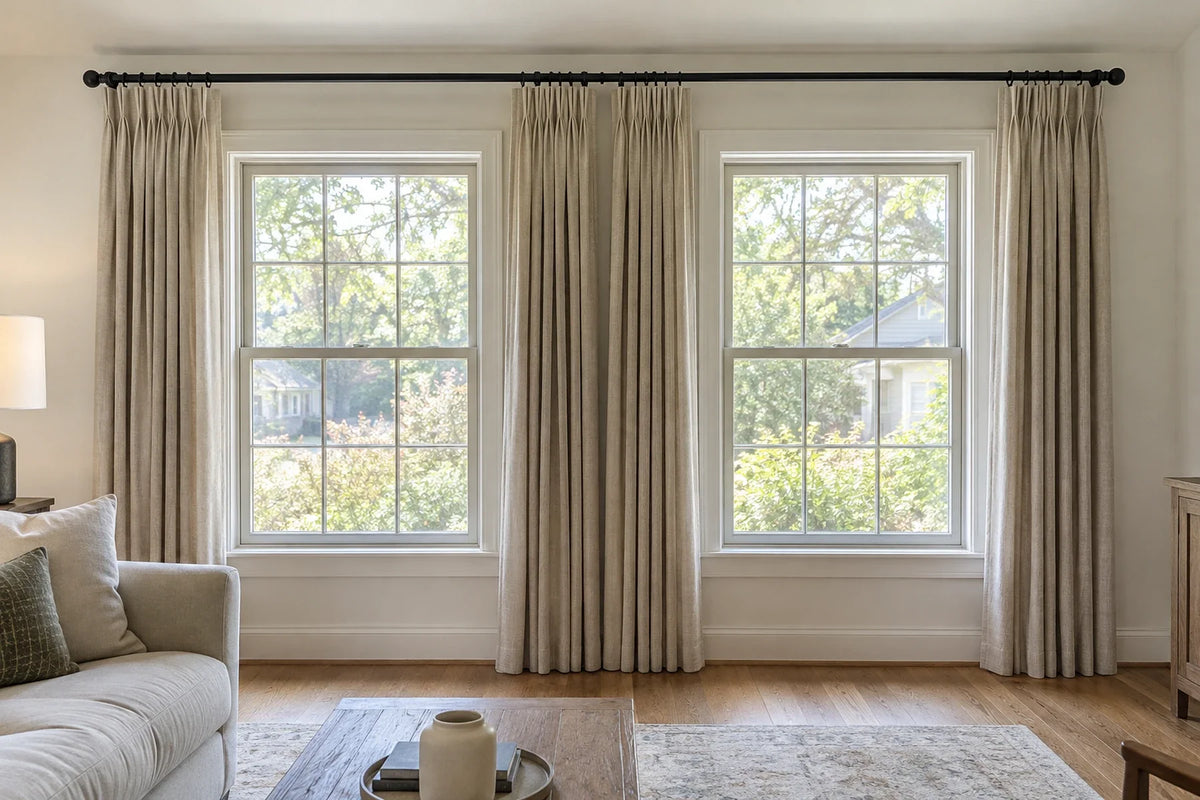
When two windows are similar in size, aligned at the top, and separated by a relatively narrow gap, a long rod can connect them visually. Instead of appearing as two isolated openings, they read as one wider architectural feature.
This arrangement works particularly well when a sofa, bed, dining console, or long desk sits beneath both windows. The furniture and curtains form one horizontal composition, helping the wall look more cohesive.
You Want a Cleaner Hardware Line
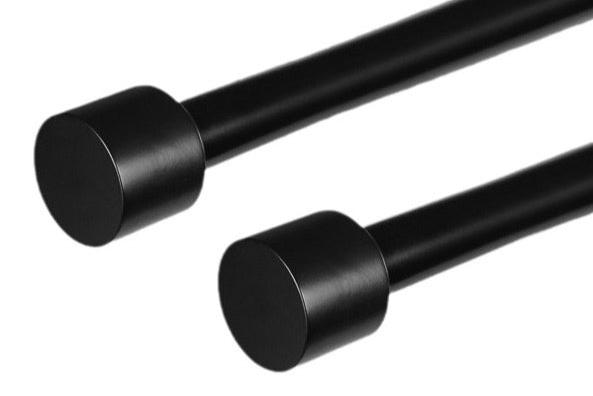
One continuous rod eliminates the two inner finials that separate rods would place between the windows. When the center gap is narrow, this generally looks cleaner than squeezing two sets of decorative ends into the same space.
The rod must still meet the hardware manufacturer’s span and weight requirements. A particularly long rod carrying thick or heavy curtains, such as lined velvet drapes, may require a center bracket or a track designed for a greater load.
You Have Enough Space for the Curtains to Open
If two wide curtain panels cover the complete window group, they will usually open toward the far left and far right sides. Those outer areas need enough wall space to hold the gathered fabric without leaving too much of the glass covered.
When the available wall space is limited, the open curtains may still overlap the windows and reduce natural light. Estimate the curtain stackback before choosing the rod length so the panels have a practical place to rest.
When Two Separate Curtain Rods Work Better
The Center Wall Is Part of the Room
When there is a substantial section of wall between the windows, especially one used for sconces, artwork, a television, or tall furniture, separate curtain rods help preserve that area as a distinct part of the room.
A single long rod can span the entire wall, but it may make the center section feel dominated by the window treatment. In this situation, treating each window separately often works more naturally with the room’s architecture.

The Windows Are Different Sizes or Heights
If the windows differ in width, top height, or sill position, a single horizontal rod may draw more attention to those differences.
Separate rods can be sized to suit each window. They do not need to be identical in length. However, if the tops of the windows are reasonably well aligned, installing both rods at the same height can help the wall look more balanced and orderly.
How to Measure Two Windows on One Wall
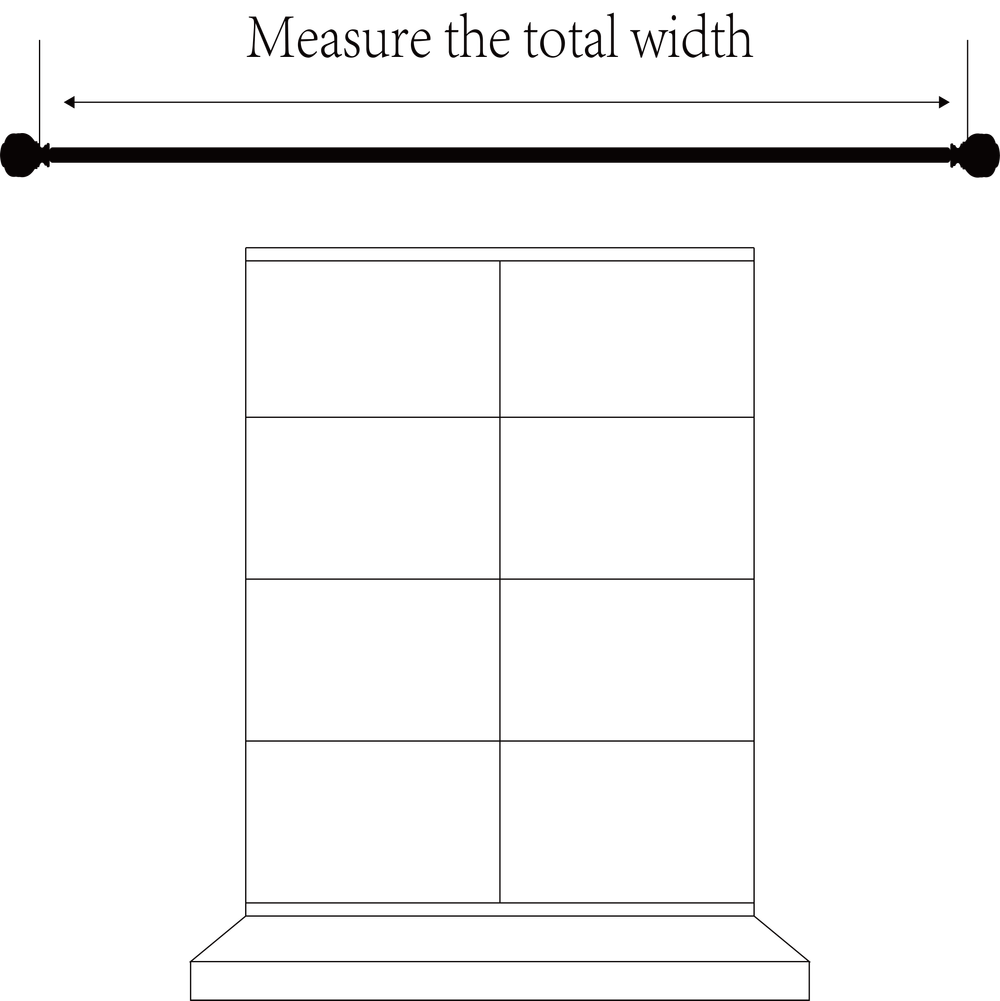
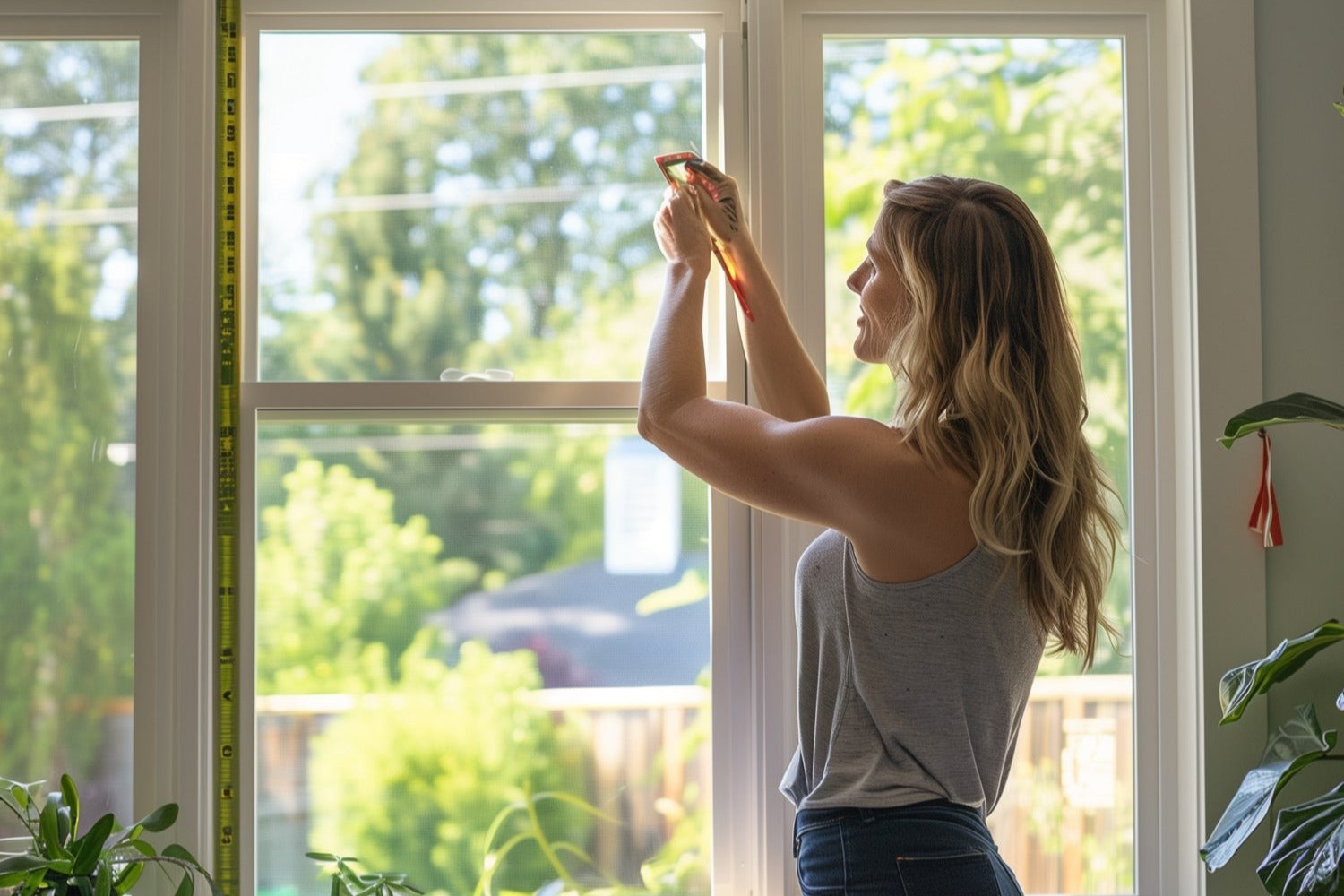
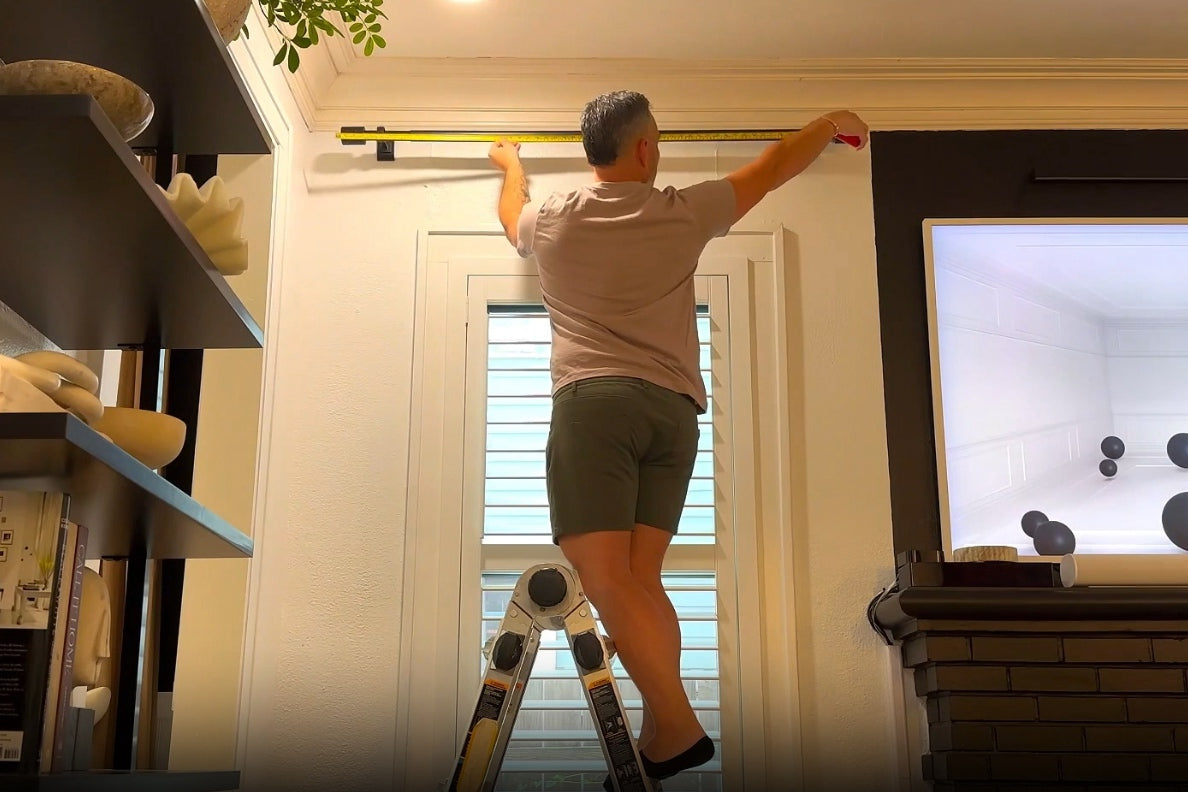
First decide whether you want to treat the windows as one unit or as two independent openings. Measure the frames and the surrounding wall, not just the glass.
Record:
- The total distance from the outside edge of the left window frame to the outside edge of the right frame.
- The wall space between the two windows.
- The available wall space beyond the far-left and far-right edges.
- The width and height of each window frame.
- The distance from the top of each frame to the ceiling or crown molding.
- The wall space available for curtain stackback.
- Nearby switches, vents, sconces, furniture, or other obstructions.

Measuring for One Long Rod
Use this as a starting formula:
Long rod width = combined outside-frame span + left extension + right extension
The extensions provide room for the open curtains. Their exact width depends on the curtain panels, fabric weight, header style, available wall space, and how much glass you want exposed. There is no single extension measurement that works for every room.
Measuring for Two Separate Rods
Measure each window individually:
Rod width = window-frame width + extension on both sides
Check the space between the windows carefully. The inner finials should not collide or look crowded. For a narrow center gap, choose compact finials or a streamlined track system.
Use the IXACurtians Measurement Guide for detailed measuring instructions, or check your planned dimensions with the Measurement Finder.
How Many Curtain Panels Do You Need?
Two Panels on One Long Rod
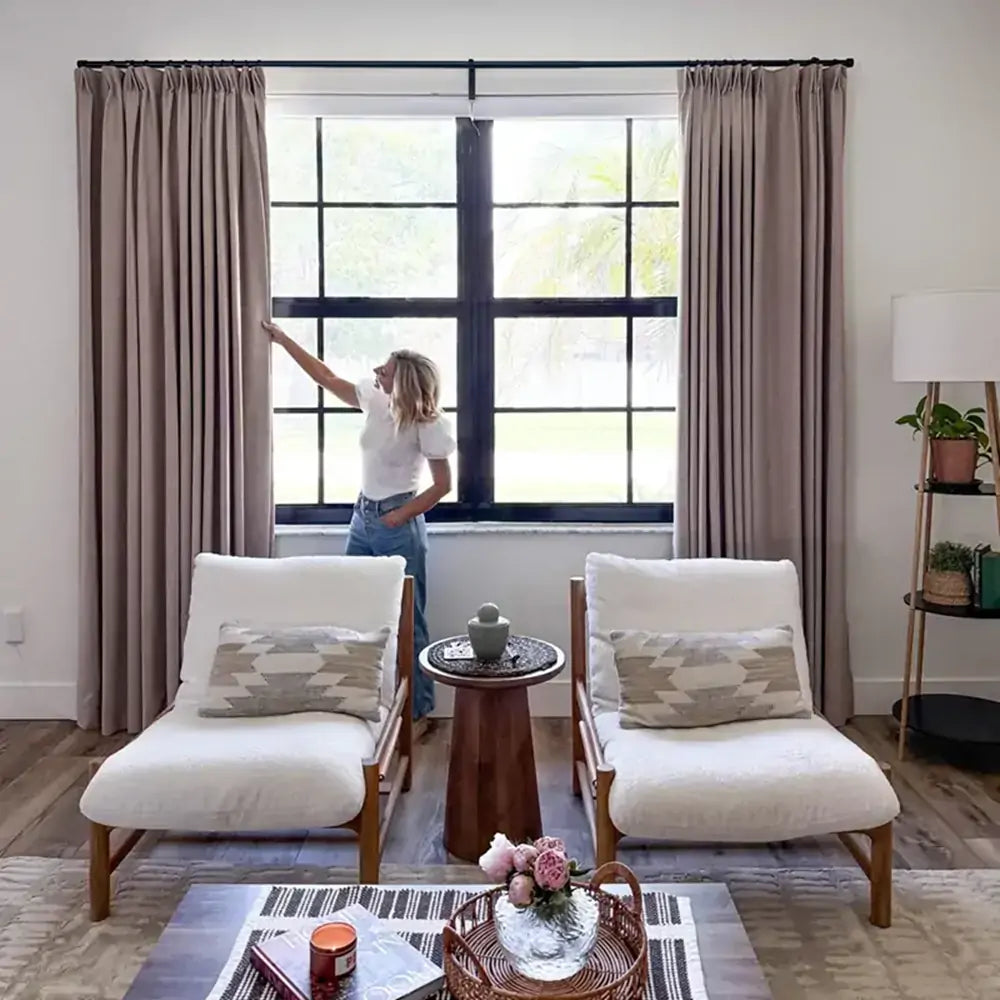
The simplest arrangement uses two wide panels. One opens toward the far left and the other toward the far right. When closed, they meet near the center and cover both windows as well as the wall between them.
This creates a strong wide-window effect, but each panel may be large and heavy. Make sure the rod, track, carriers, and brackets can support the finished curtain weight.
Four Panels on One Long Rod
You can also hang four panels from one long rod, giving each window its own pair while maintaining a continuous hardware line.
Keep in mind that the two inner panels will stack between the windows when open. They will occupy part of the center wall and may overlap the glass, so check whether the available space is sufficient.
Two Separate Pairs
With separate rods, the usual arrangement is one pair of curtain panels per window. This makes measuring and operation more independent, although both treatments should generally share the same fabric, header, installation height, and hem position.
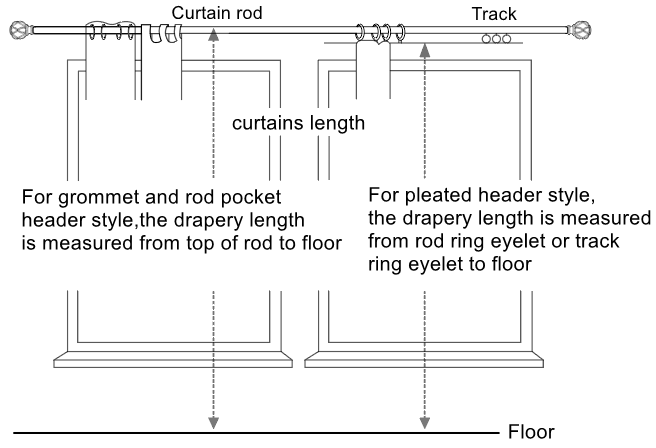
Curtain width also depends on the header style and required fullness. Pleated curtains with permanently sewn folds are ordered according to their finished coverage width, while other headers may require additional fabric to create fullness. See the IXACurtians Curtain Fullness Guide before choosing panel widths.
Do Long Curtain Rods Need a Center Bracket?
Many long rods require one or more center brackets to prevent sagging. The maximum unsupported span depends on the rod’s diameter, material, construction, and the weight of the curtains. Always follow the specifications supplied with the hardware.
A center bracket also affects curtain movement. Standard curtain rings, grommets, and rod-pocket headers generally cannot pass over a fixed bracket. A rod with center support is therefore best suited to arrangements in which:
- Two panels open toward the far-left and far-right ends and meet in the middle.
- Four panels remain within their assigned sections of the rod.
- No curtain needs to travel continuously from one end of the rod to the other.
If you want all the curtains to draw toward one side, a standard rod with a center bracket may not work. Consider a continuous curtain track or a traverse system designed for uninterrupted movement.

Should Both Curtain Rods Be the Same Height?
When the tops of the windows align, installing separate rods at the same height usually creates the cleanest result. A consistent horizontal line helps the wall feel organized even when the windows have different widths.
If the windows are set at different heights, do not automatically follow the top of each frame. Mark the proposed rod positions with removable painter’s tape, then view the wall from the room entrance and primary seating area before deciding whether to align them.
Also check that a higher installation will not interfere with crown molding, vents, or other fixed features.
Coordinate the Curtains With the Furniture
The furniture below and between the windows can help determine whether one rod or two will look more natural.
A sofa or long console spanning both windows often benefits from one continuous curtain line. If each window belongs to a separate zone, such as a reading chair on one side and a desk on the other, individual rods may better reflect the room’s layout.
Furniture also affects where the open curtains can rest. Curtain stacks should not be squeezed behind tall cabinets, crowded against floor lamps, or allowed to fall onto frequently used work surfaces.
Common Mistakes to Avoid
Curtain widths should be based on the usable rod or track coverage. Changing the hardware plan may also change the required panel dimensions.
Overlooking the center bracket. Support brackets can limit curtain movement. Decide where each panel will open and rest before installation.
Measuring only the glass. Glass width does not account for the frames, center wall, side extensions, or curtain stackback.
Forcing symmetry around obstructions. Rods should not interfere with sconces, doorways, switches, or vents. Practical operation matters more than perfect mathematical symmetry.
Forgetting the inner stackback. Four panels offer flexible control, but the two center panels will occupy wall space and may reduce the exposed glass area.
Plan Both Windows Before You Order
One long rod can make two closely spaced windows feel like one larger feature. Two separate rods preserve independent operation and can work more naturally when the windows or surrounding areas differ.
The best option is not necessarily the most popular or perfectly symmetrical one. It is the arrangement that fits the wall proportions, hardware requirements, furniture layout, and way you use the room.
IXACurtians custom curtains can be made for your actual rod or track width, panel arrangement, header, fabric, and lining. Once the layout is established, explore Curtain Hardware that suits the span, curtain weight, and intended movement.
FAQs
Is one long curtain rod better for two windows?
Not always. A long rod works well when the windows are close together, aligned at the top, and intended to look like one feature. Separate rods are more practical when each window needs independent control or the wall between them has another purpose.
How close should two windows be to use one curtain rod?
There is no universal distance. Consider the proportions of the center wall, the available stackback space, hardware capacity, and how the curtains need to move. Marking the proposed rod on the wall with painter’s tape can help you judge the layout before installation.
Can I put four curtain panels on one rod?
Yes. Four panels allow the two windows to operate more independently while preserving one continuous hardware line. The two inner panels will stack between the windows, so make sure the center area is wide enough.
Can one pair of curtains cover two windows?
Yes, provided the finished width of the two panels covers the entire usable rod or track. Wider panels will also be heavier and create larger stacks, so hardware capacity and side wall space must be considered.
Do long curtain rods need center support?
Many do, but the requirement depends on the span, rod diameter, material, construction, and curtain weight. Follow the instructions and load limits provided by the hardware manufacturer.